Math And Coloring Worksheets For Early Learning
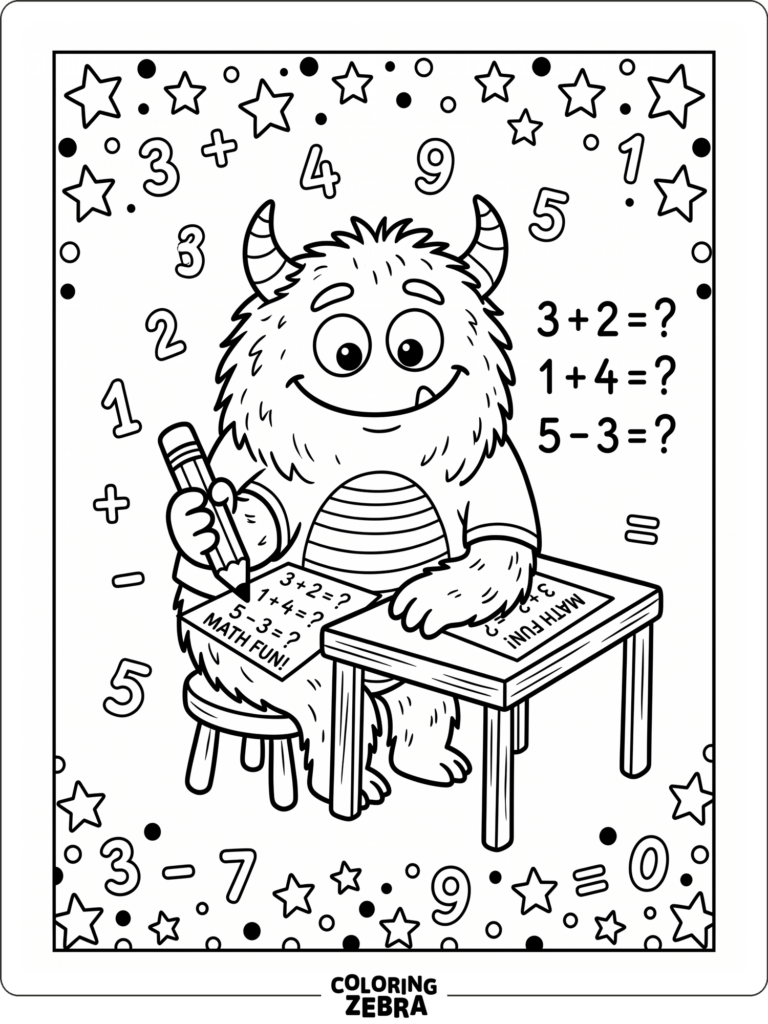
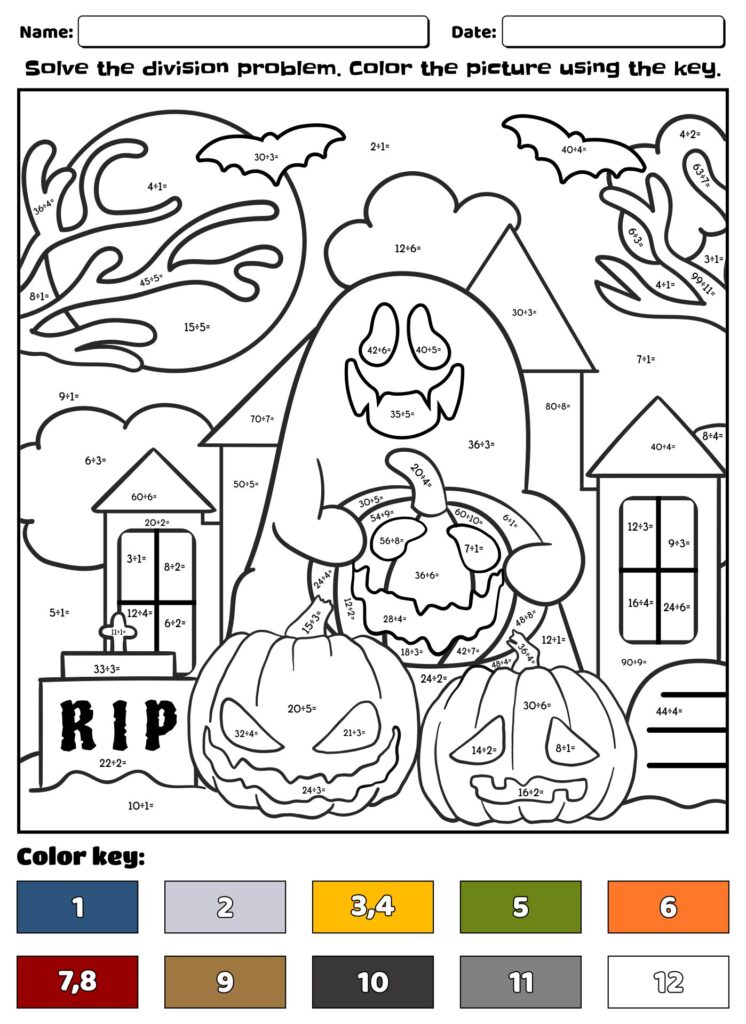
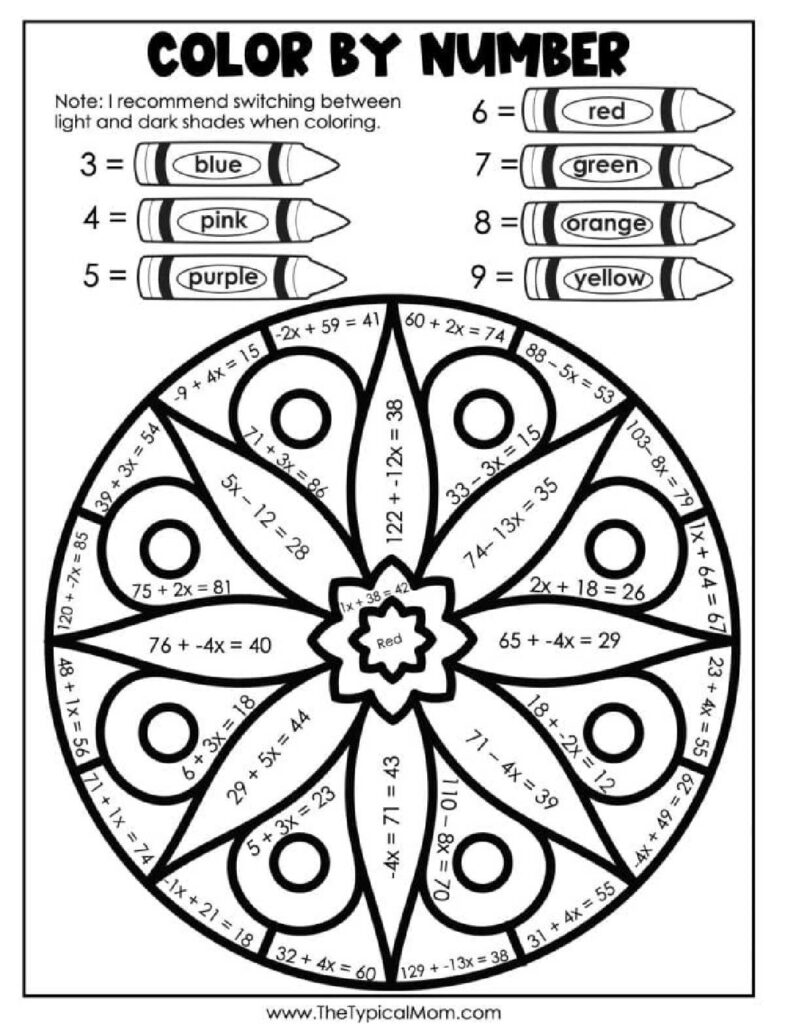
Math and coloring worksheets combine simple practice with a visual reward, making early math feel more approachable. A child solves a problem, recognizes a number, or counts an object, then uses the answer to choose the right color. That connection between thinking and coloring keeps the activity hands-on and easy to follow, especially for learners who benefit from clear visual cues and a little extra engagement.
source: coloringzebra.com
source: www.printablee.com
How They Work
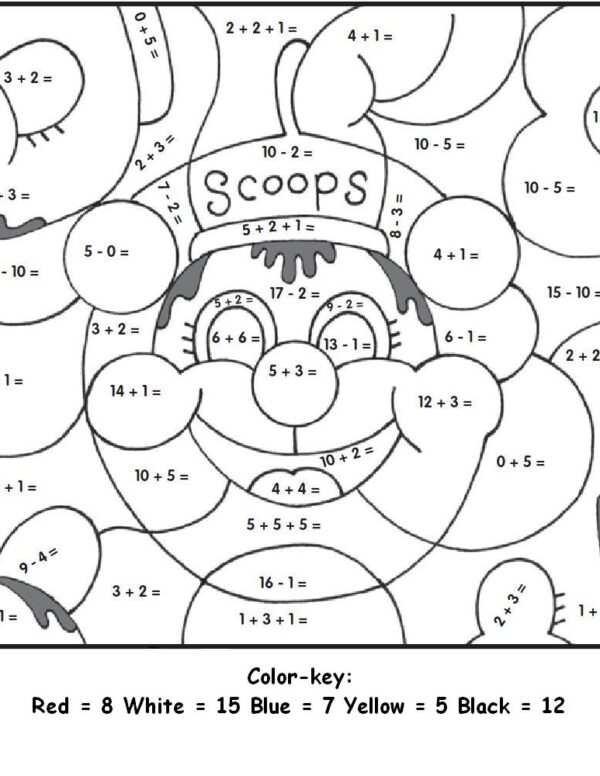
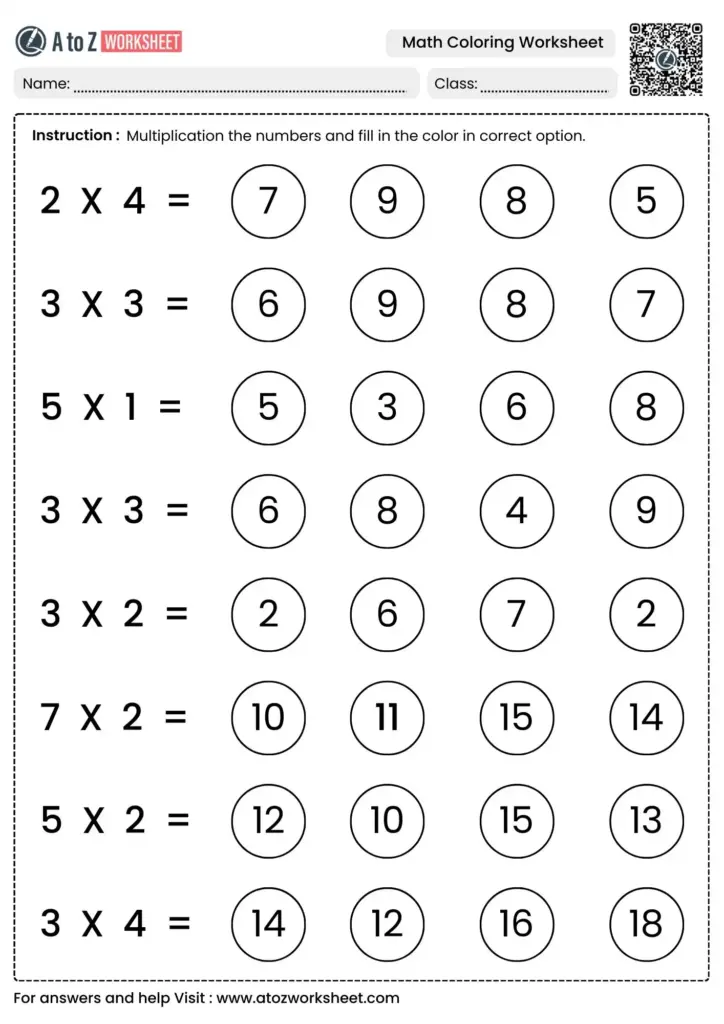
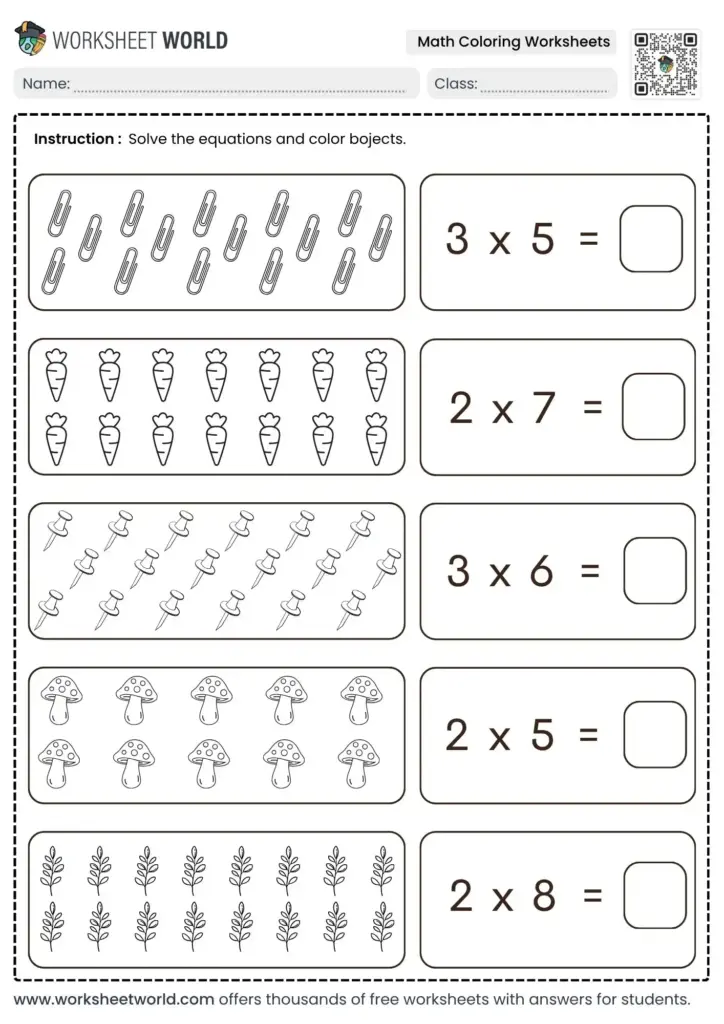
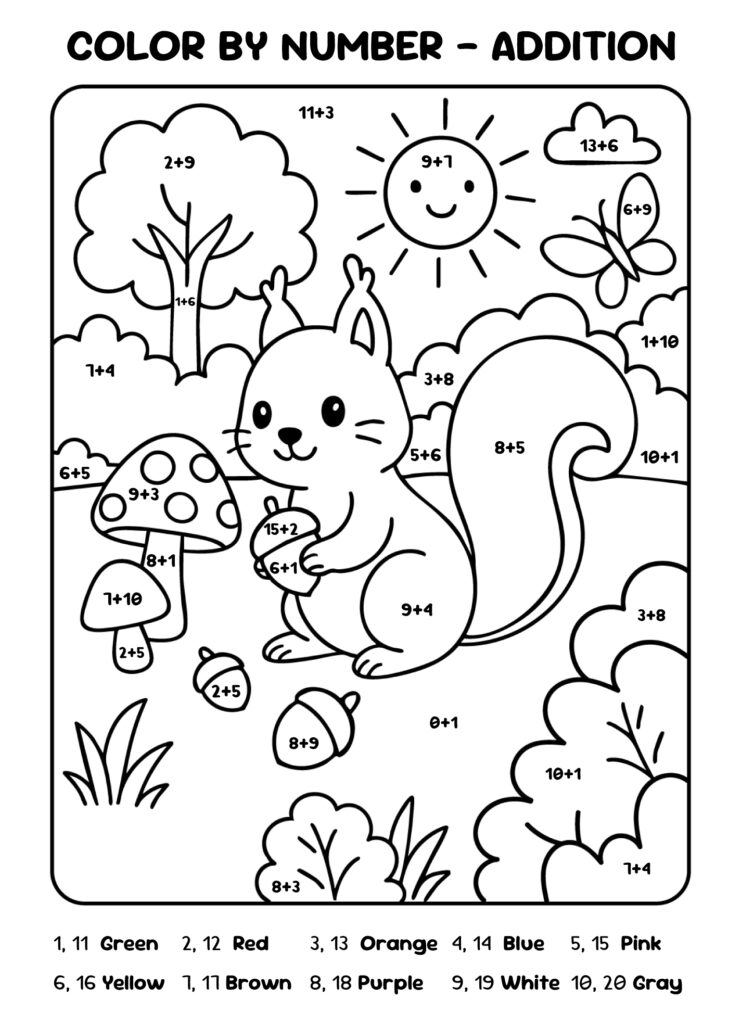
In most math and coloring worksheets, the math task comes first and the coloring follows the answer. For example, a child may solve an addition problem, count a set of objects, or match a number to a color key. Once the correct answer is found, the worksheet tells them which section to color. This simple structure helps turn practice into an activity with a clear purpose, rather than a page of isolated drills. The coloring step also gives immediate feedback and a sense of progress.
source: temeculablogs.com
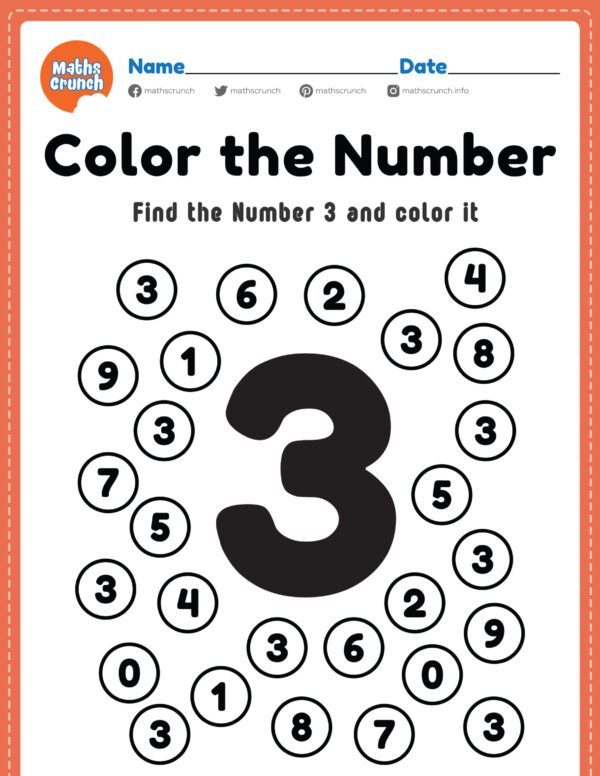
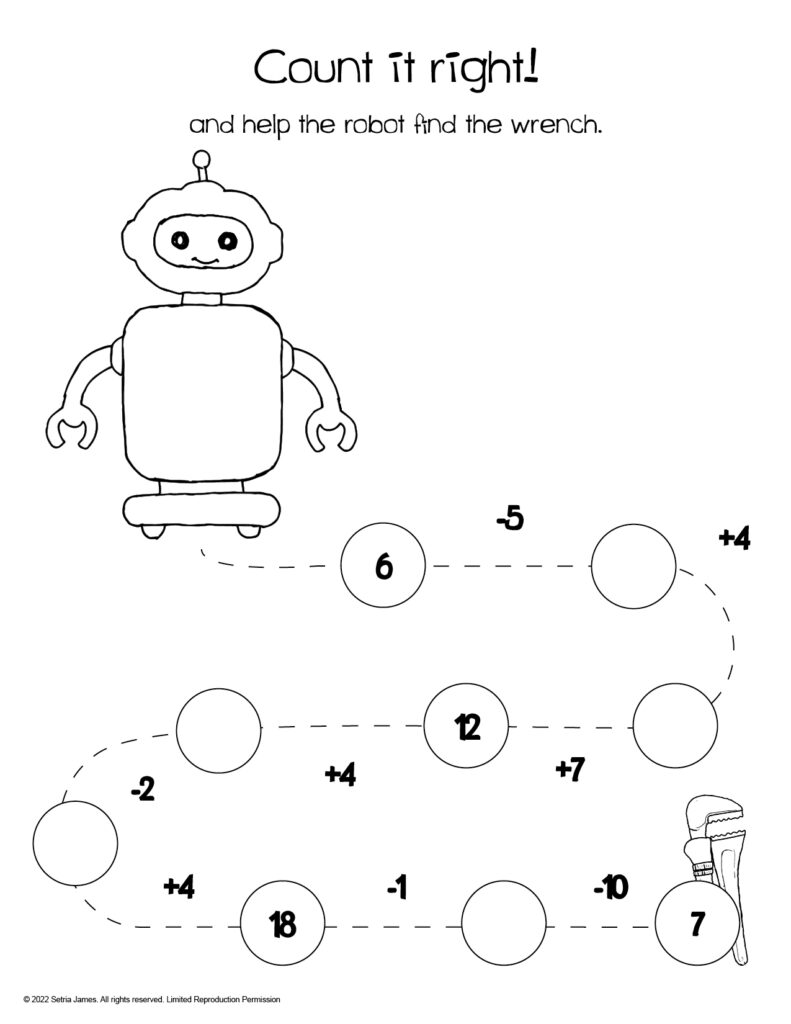
These worksheets usually focus on early skill areas such as counting, number recognition, addition, subtraction, and basic multiplication. Some versions also support pattern recognition or simple shape identification when those skills fit the math task. Because the activities are short and visual, they work well for young learners who are still building confidence with numbers. They can also be useful for students who need extra reinforcement without a heavy amount of text, since the visual element reduces pressure and keeps attention on the math.
Best Uses
source: doodlesave.wordpress.com
source: atozworksheet.com
Math and coloring worksheets are especially helpful for preschool, kindergarten, and early elementary practice, where students are learning to connect symbols, quantities, and number words. They can also support independent seatwork or at-home practice because the directions are usually simple and the format is familiar. The coloring component can make repetition feel less routine, which is useful when a child needs more exposure to the same skill. For visual learners, the worksheet format can make the math easier to remember and more enjoyable to complete.
source: worksheetworld.com
When choosing these worksheets, look for pages that match the child’s current math level and have a clear coloring key or obvious visual instructions. The best options keep the math task simple enough to understand quickly, but still give enough practice to build confidence. Used well, math and coloring worksheets are a practical way to make basic number work more engaging while reinforcing core skills through repetition and visual feedback.
source: gdoc.io