12th Grade Reading Level Example: Clear Sample
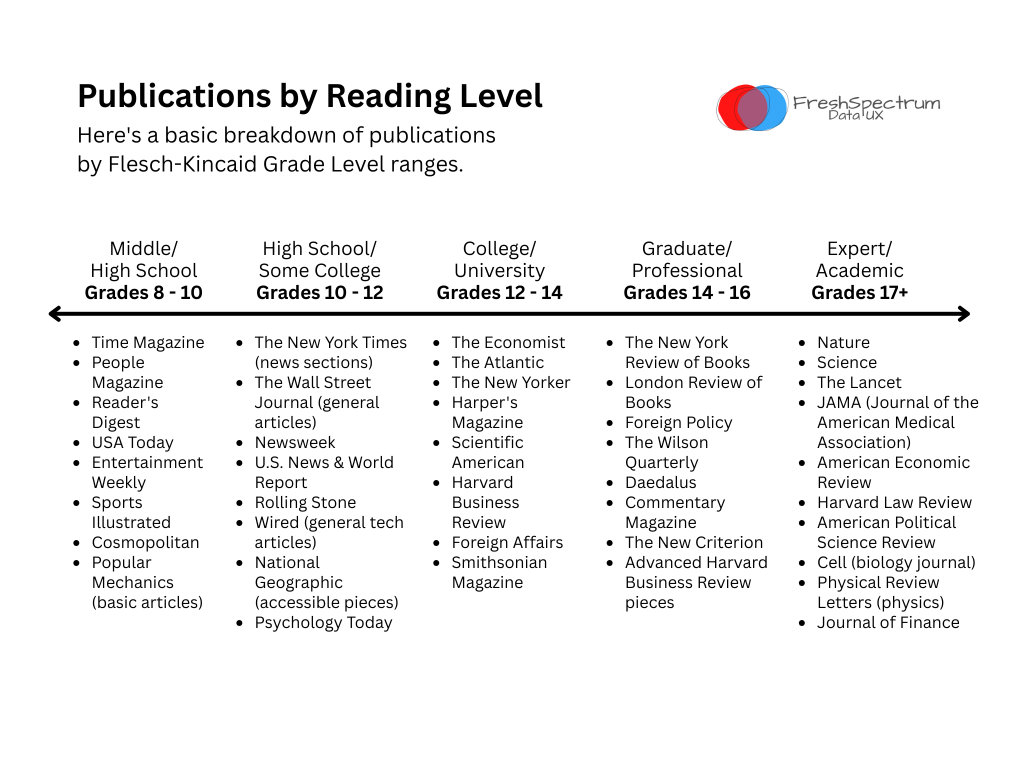
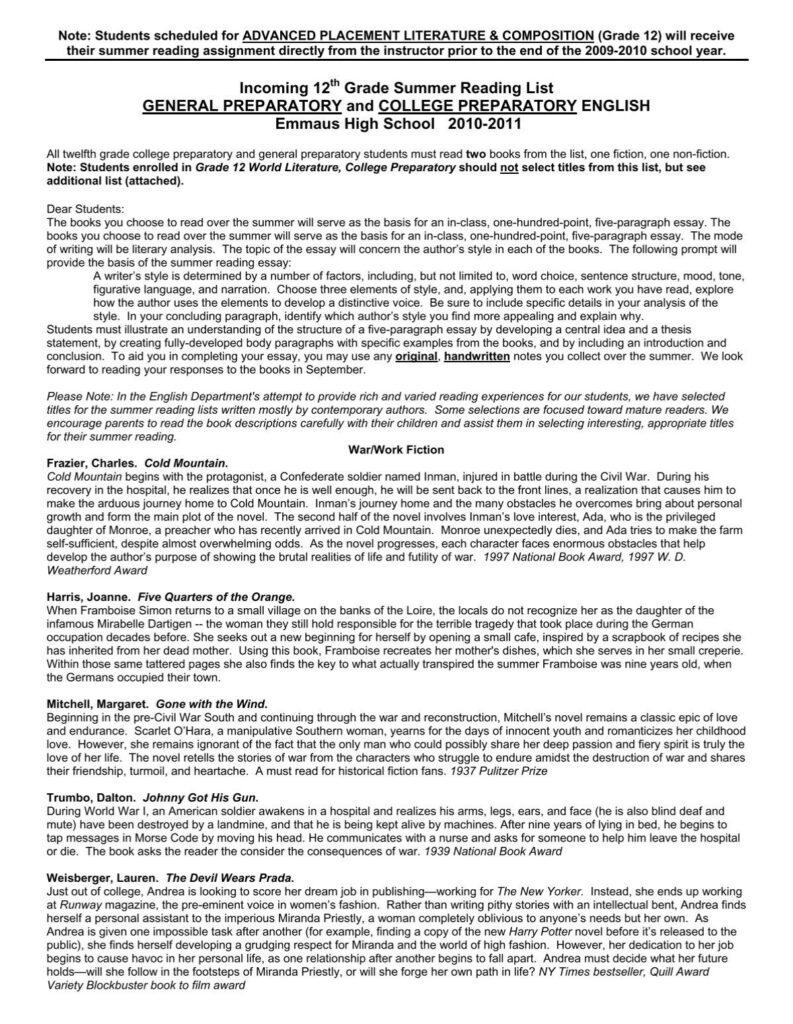
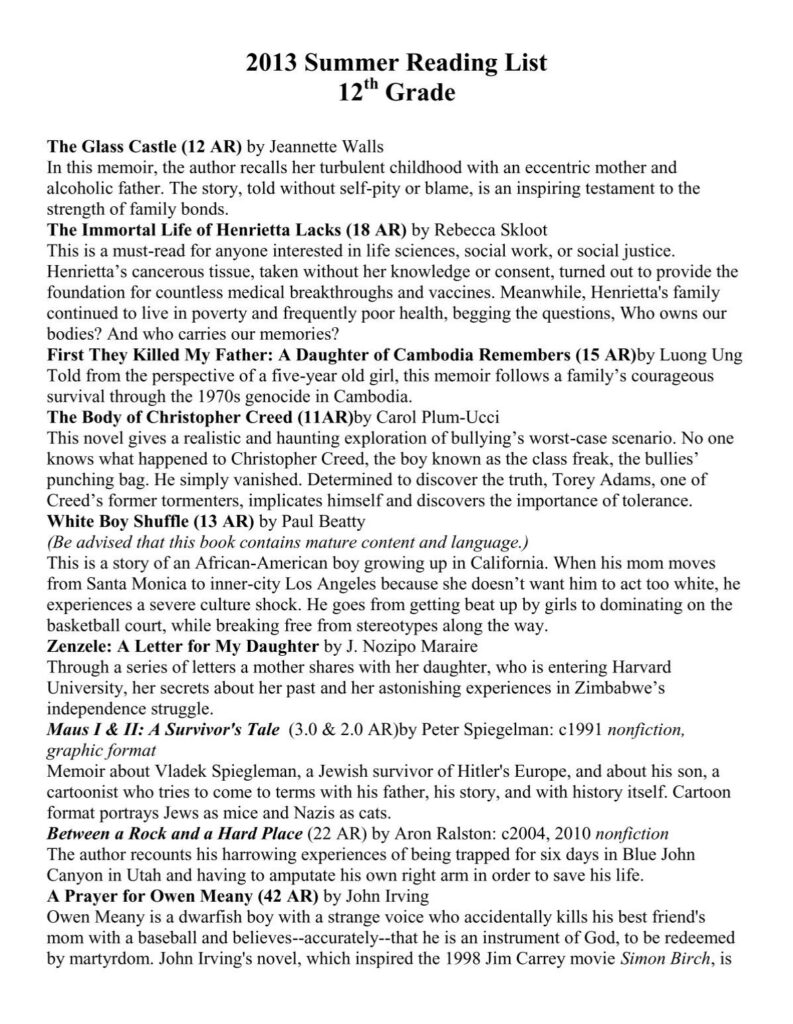
A 12th grade reading level example shows the kind of writing expected near the end of high school. It usually sounds formal, uses precise vocabulary, and asks the reader to follow ideas that are not stated outright. The point is not just harder words; it is deeper thinking, with sentences and meanings that connect more tightly.
source: FreshSpectrum
What It Looks Like
A 12th grade reading level is often clear, polished, and intellectually demanding without being flashy. It may use abstract nouns such as consequence, perspective, or principle, and it may combine several related ideas in one sentence. Readers are expected to infer meaning, notice contrast, and understand cause and effect from context. Here is a short example passage: “Although the policy promised greater efficiency, its real effect was to shift the burden onto the people least able to absorb it.
What appeared at first to be a practical reform proved, on closer examination, to be a narrow solution to a larger problem.” This kind of passage feels advanced because it compresses argument, nuance, and judgment into a compact space.
source: YUMPU
source: YUMPU
What makes that sample fit the level is not only vocabulary but also sentence structure and implied reasoning. The clauses are layered, the transition words signal contrast, and the writer assumes the reader can follow an argument without having every step spelled out. In other words, the passage asks for interpretation, not just decoding. A lower-level sentence might simply state that a policy was ineffective.
A 12th grade example usually explains why it seemed useful, why it failed, and what larger issue it reveals. That combination of precision and inference is what gives the writing its advanced feel.
How To Recognize One
source: English Worksheets
source: Mr. Anker Tests
source: StudySync
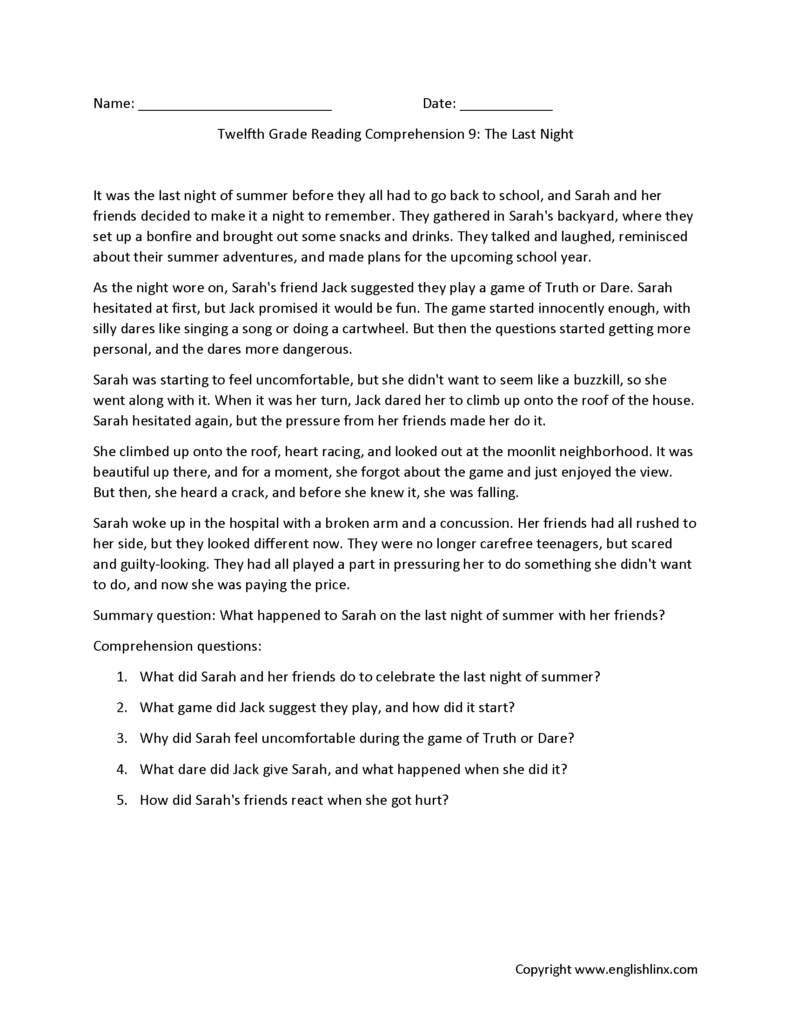
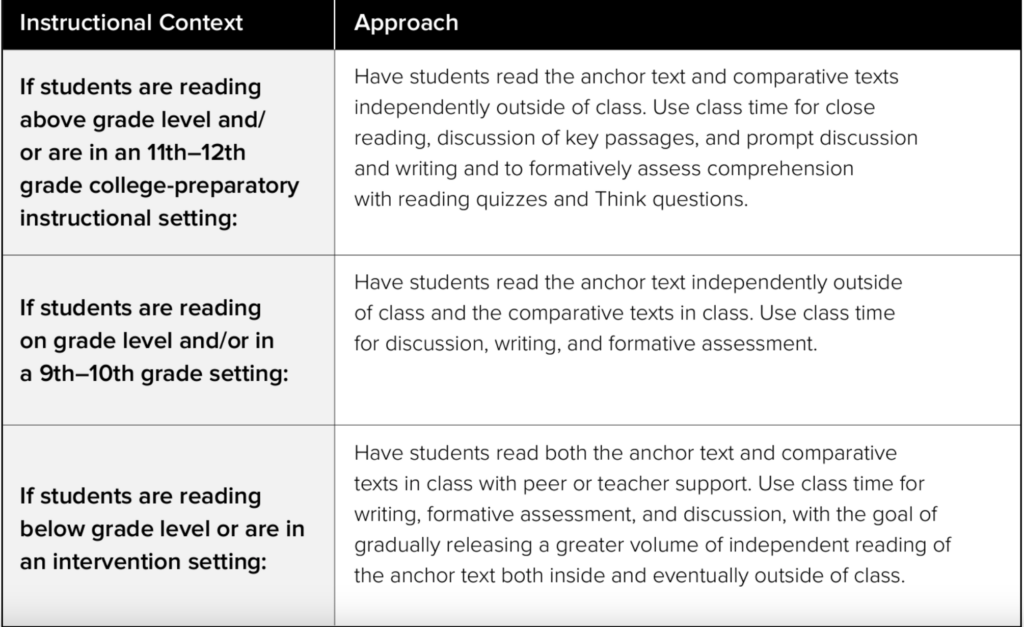
If you are trying to identify a 12th grade reading level example, look for writing that sounds composed for an educated adult audience or for students preparing for college-level work. It usually avoids slang, relies on exact word choice, and uses logic that unfolds across the paragraph rather than in one blunt statement. The best examples feel thoughtful and controlled: they do not merely describe events, but evaluate them.
For a quick check, ask whether the passage requires the reader to notice nuance, track relationships between ideas, and understand what is implied as much as what is directly said. That is the practical hallmark of this reading level.
source: Kevin Drum