1st Grade Math Coloring Worksheets For Core Skills
1st grade math coloring worksheets give young learners a simple way to practice math while staying engaged. The best pages combine short math tasks with coloring so children can check answers, build confidence, and keep working independently. For first graders, the focus should stay on basic skills like counting, number sense, addition, and subtraction, with clear pictures and directions that are easy to follow.
Core First-Grade Skills
The strongest 1st grade math coloring worksheets target skills first graders are already learning in class. That usually means counting objects, matching numbers to quantities, recognizing number patterns, and solving simple addition and subtraction problems within 20. Some worksheets may also include comparing groups or identifying missing numbers. These activities help children practice number sense in a visual way, so the math feels concrete instead of abstract. A good worksheet keeps the problems short and familiar.
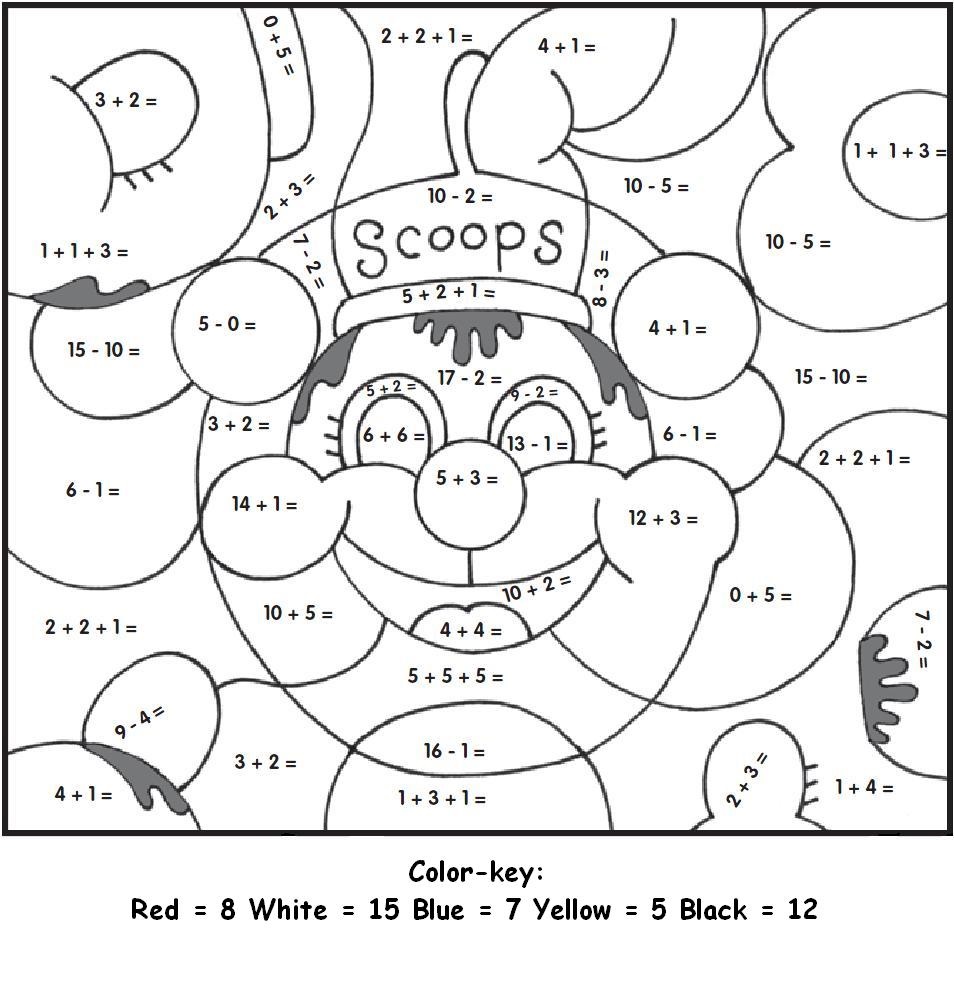
source: www.learningprintable.com
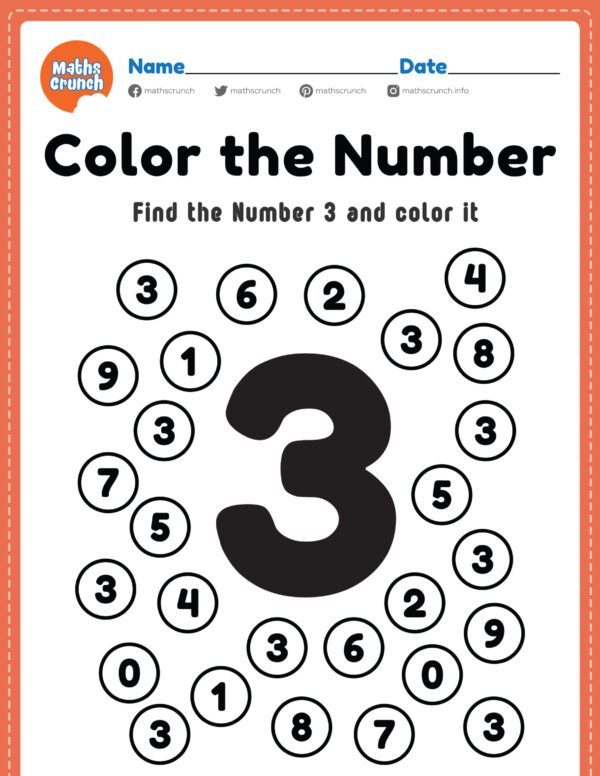
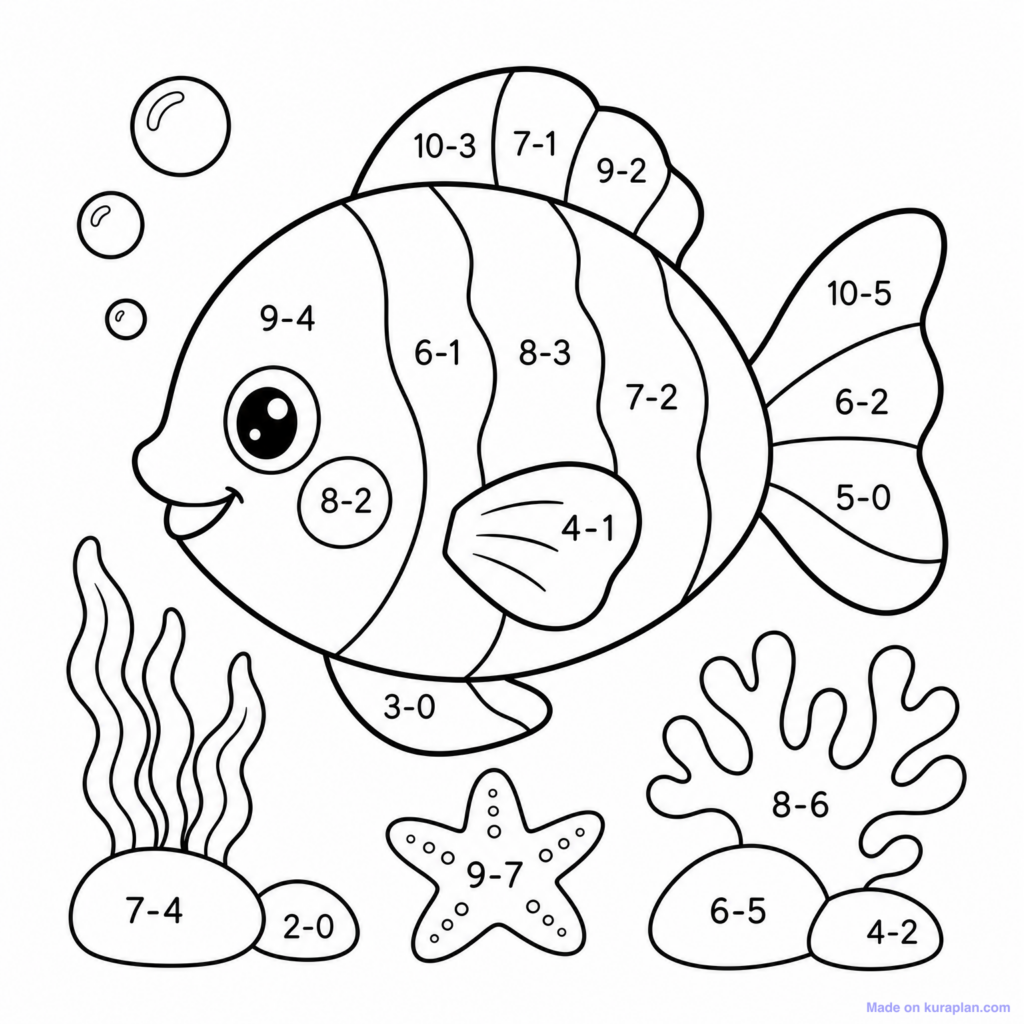
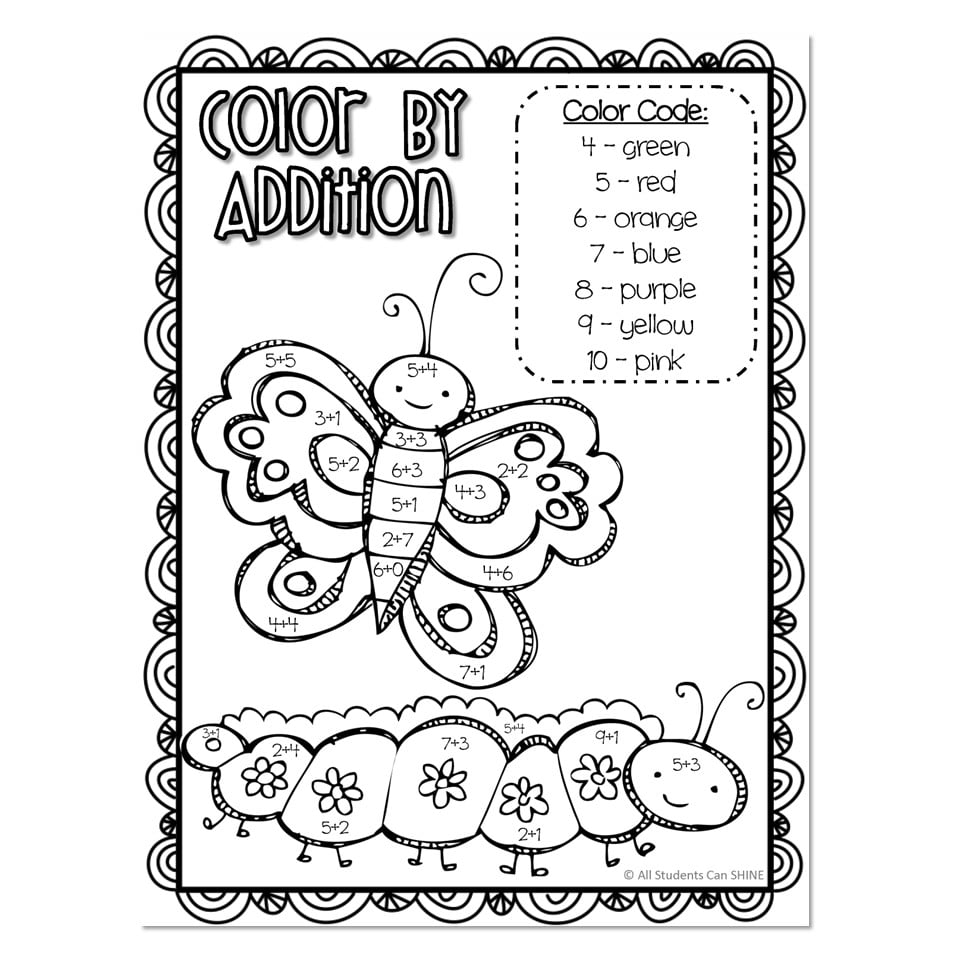
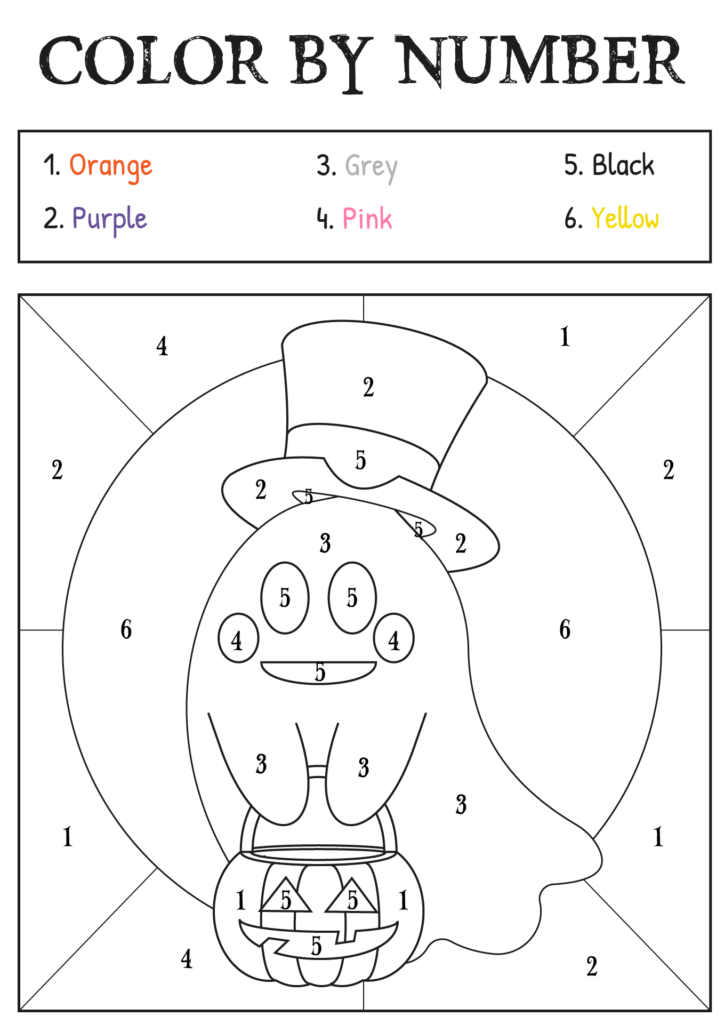
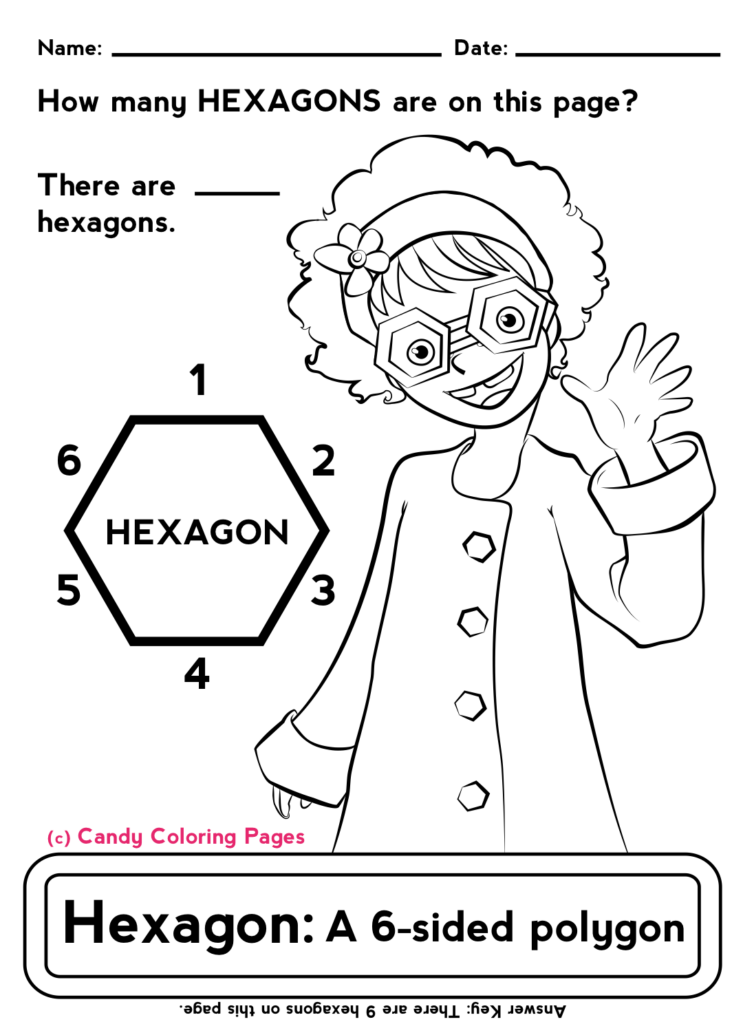
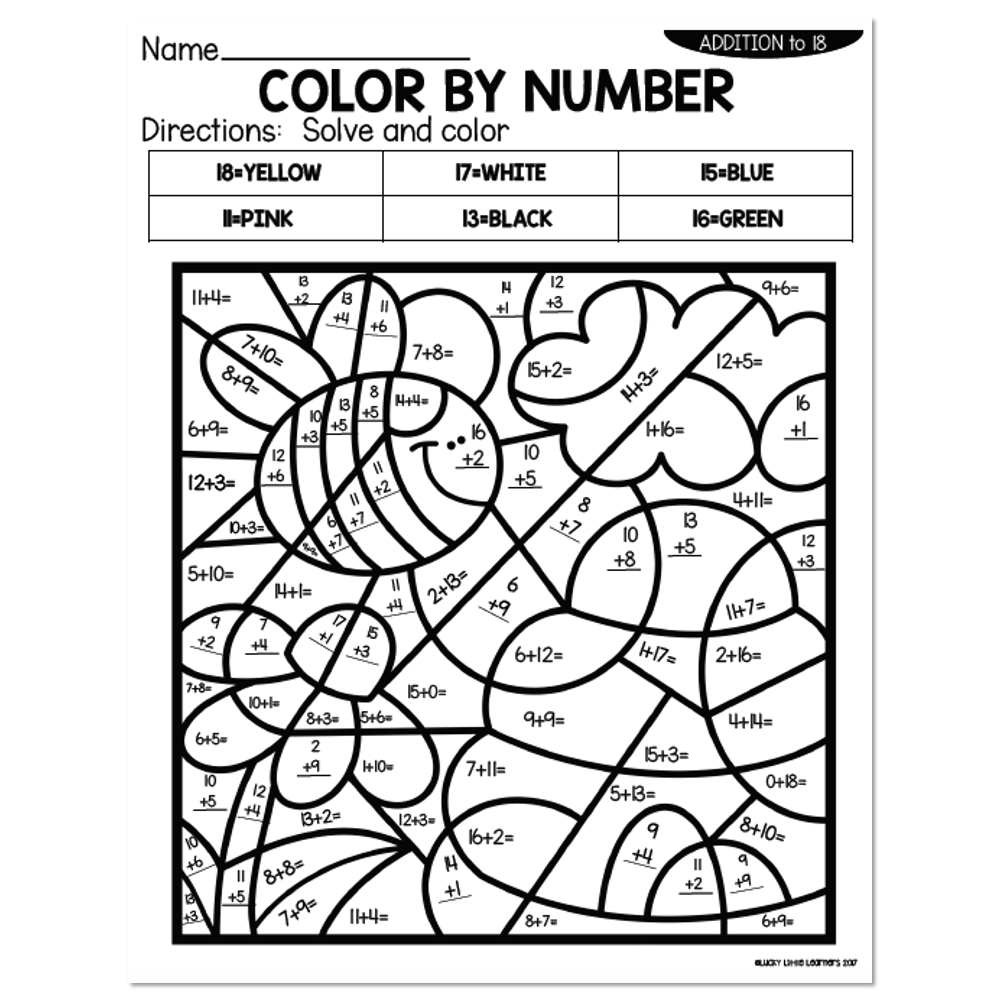
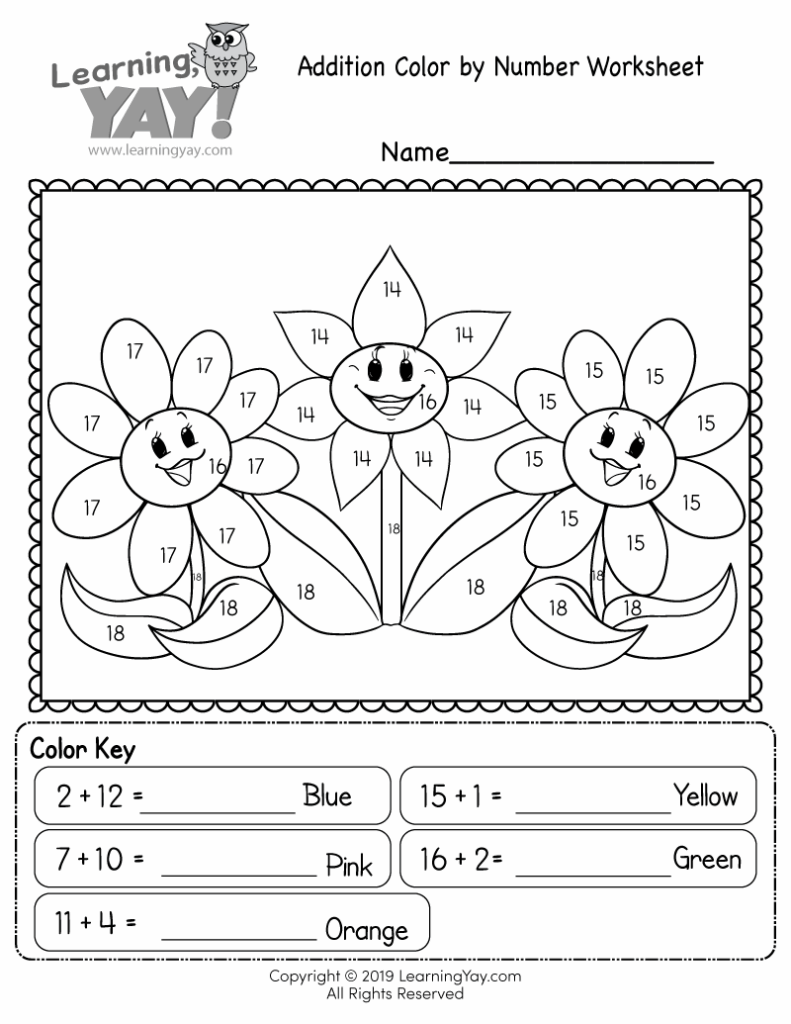
For this age group, design matters as much as the math itself. Directions should be brief and direct, with one task per page or a small set of problems. Clear images, large spaces to color, and uncluttered layouts help first graders focus without feeling overwhelmed. The coloring areas should match correct answers in an obvious way, such as coloring sections by number or filling in a picture after solving simple sums. Too much text or too many problems can turn the worksheet into a frustration instead of practice.
source: www.kuraplan.com
source: shop.luckylittlelearners.com
How Coloring Supports Learning
source: www.printablee.com
Coloring works best as reinforcement, not as the lesson itself. The math question should come first, and the coloring should confirm the answer. For example, a child solves 6 + 2 and then colors the section labeled with that answer. This gives immediate feedback and makes practice feel rewarding. Coloring can also hold attention longer, which is helpful for young learners who need short, manageable tasks. It should support understanding, though, not replace counting objects, using fingers, or other direct math instruction.
source: candymathgamesworksheets.wordpress.com
source: shop.luckylittlelearners.com
When selecting 1st grade math coloring worksheets, look for pages that match a child’s current skill level. The best choices focus on one main concept, use simple visuals, and offer enough practice without too many problems on a page. If a worksheet feels too busy or asks for skills beyond first grade, it is probably not the right fit. Used well, these worksheets make math practice feel approachable and give children a colorful way to show what they know.
source: www.learningyay.com