An easy to draw airplane starts with the simplest shape you can recognize: a long oval or capsule for the fuselage. From there, the rest of the plane can be built with a few straight or gently curved shapes. Keeping the design basic makes it less intimidating and helps a beginner finish quickly while still ending up with an airplane that looks clear and complete.
Start With Basic Shapes
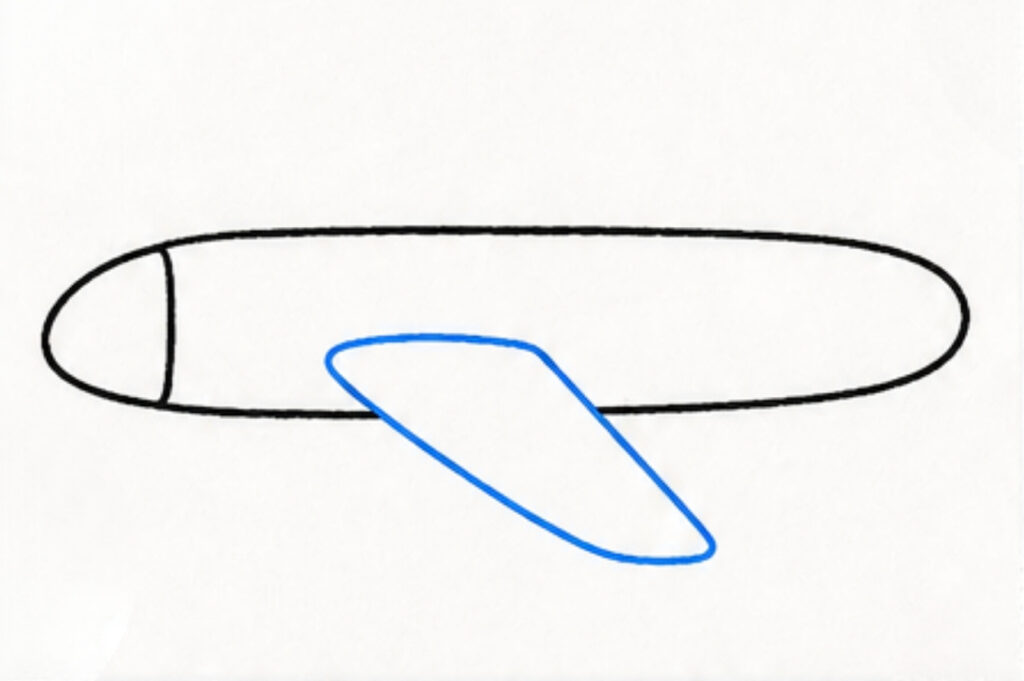
Begin by sketching the body as a narrow oval or rounded rectangle placed sideways. Add a small pointed nose at one end and a short tail at the other. Then draw one large wing shape crossing the middle of the fuselage and a smaller tail wing near the back. These simple forms create the full airplane silhouette before you add any details, so the drawing stays easy to manage. If you want, lightly mark the center line first to help the wings stay balanced.
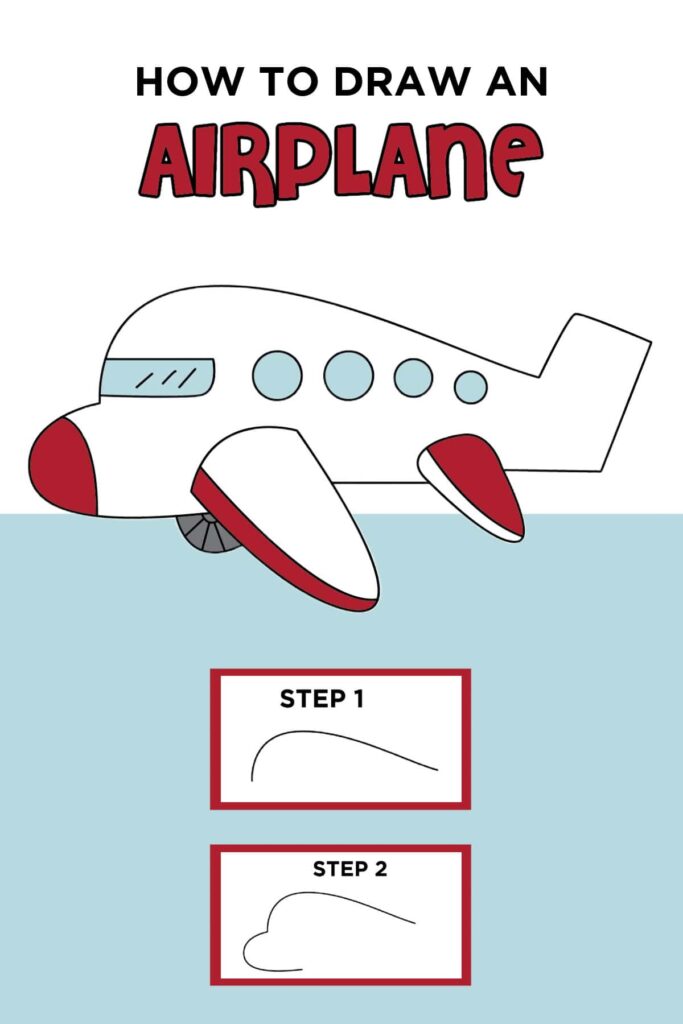
source: www.madewithhappy.com
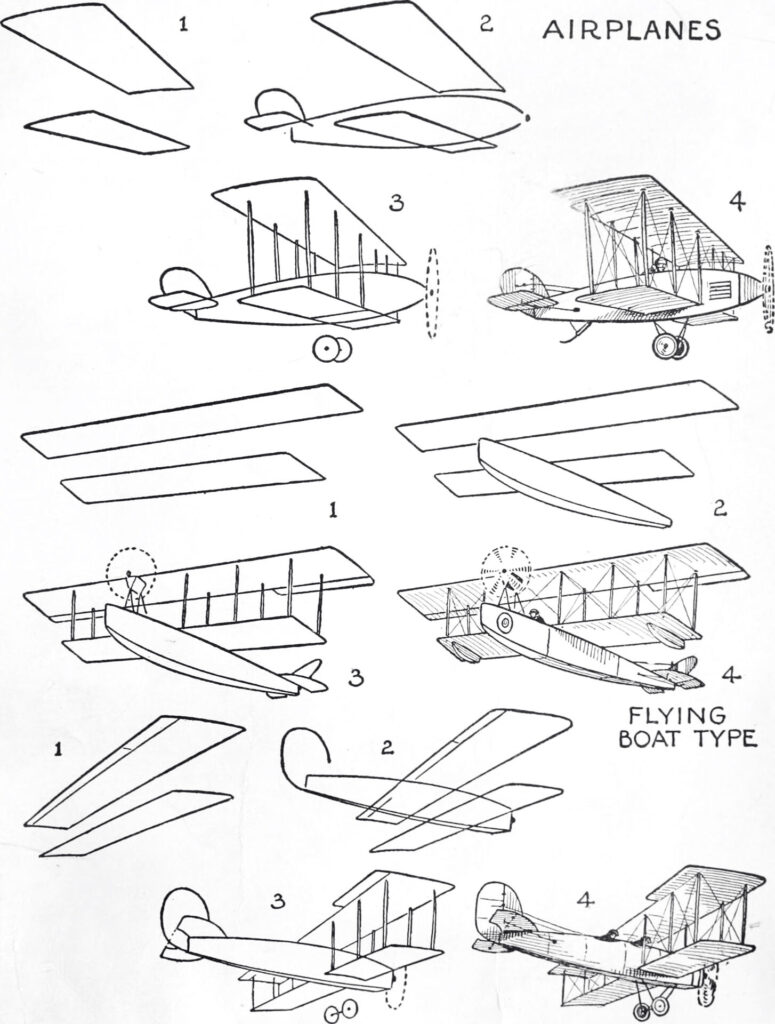
source: www.supercoloring.com
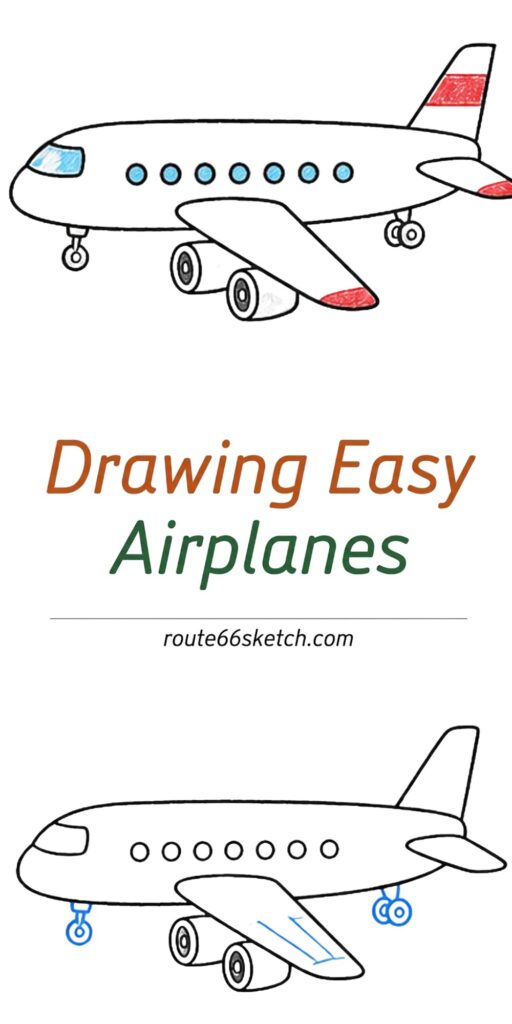
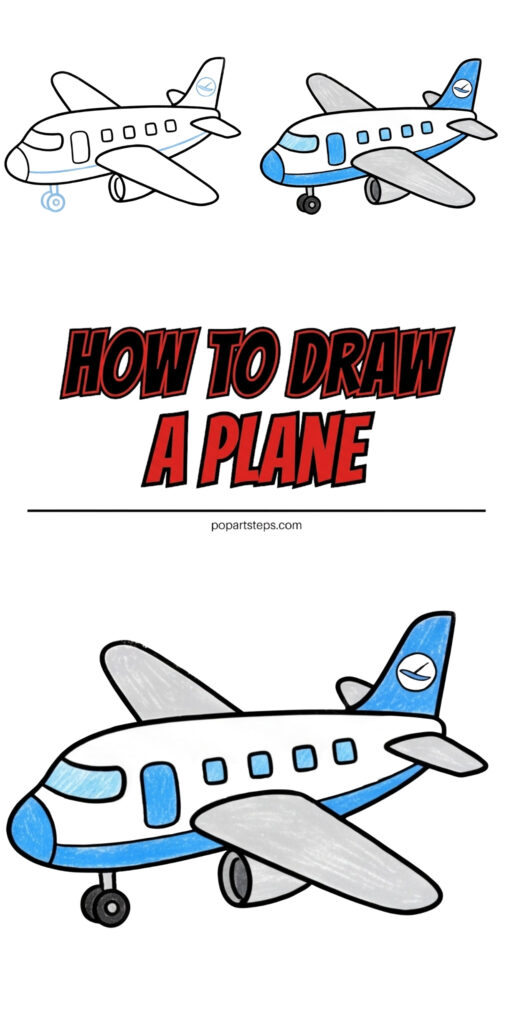
Once the basic outline is in place, clean up the shape so it reads as an airplane instead of separate pieces. Trim or curve the wing edges, make the tail fin stand upright, and smooth the transition where the wings meet the body. Keep the cockpit area simple with a small window shape or just a slight curve near the front. The goal is not realism; it is a clear, recognizable airplane made from just a few well-placed lines.
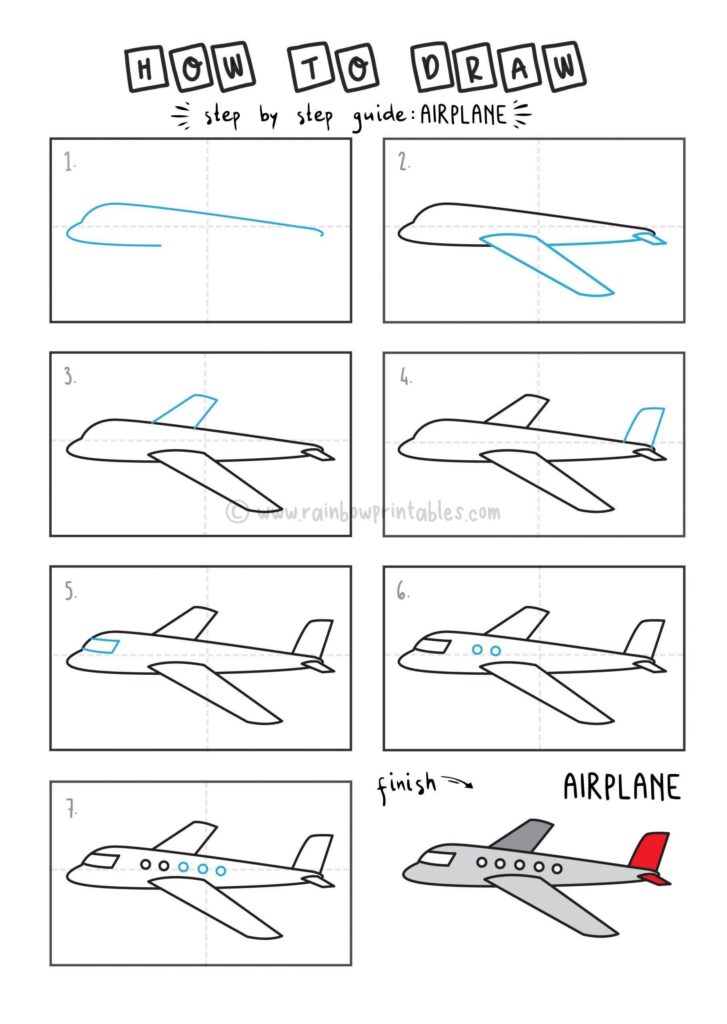
source: rainbowprintables.com
Keep It Recognizable
A beginner-friendly airplane drawing works best when every part has a clear job. The fuselage should be the main long shape, the wings should be wide enough to stand out, and the tail should be small but easy to see. Avoid adding landing gear, engines, panels, or extra surface details unless you want to practice later. With only the essentials, the airplane stays neat and easy to finish, even for someone drawing it for the first time.
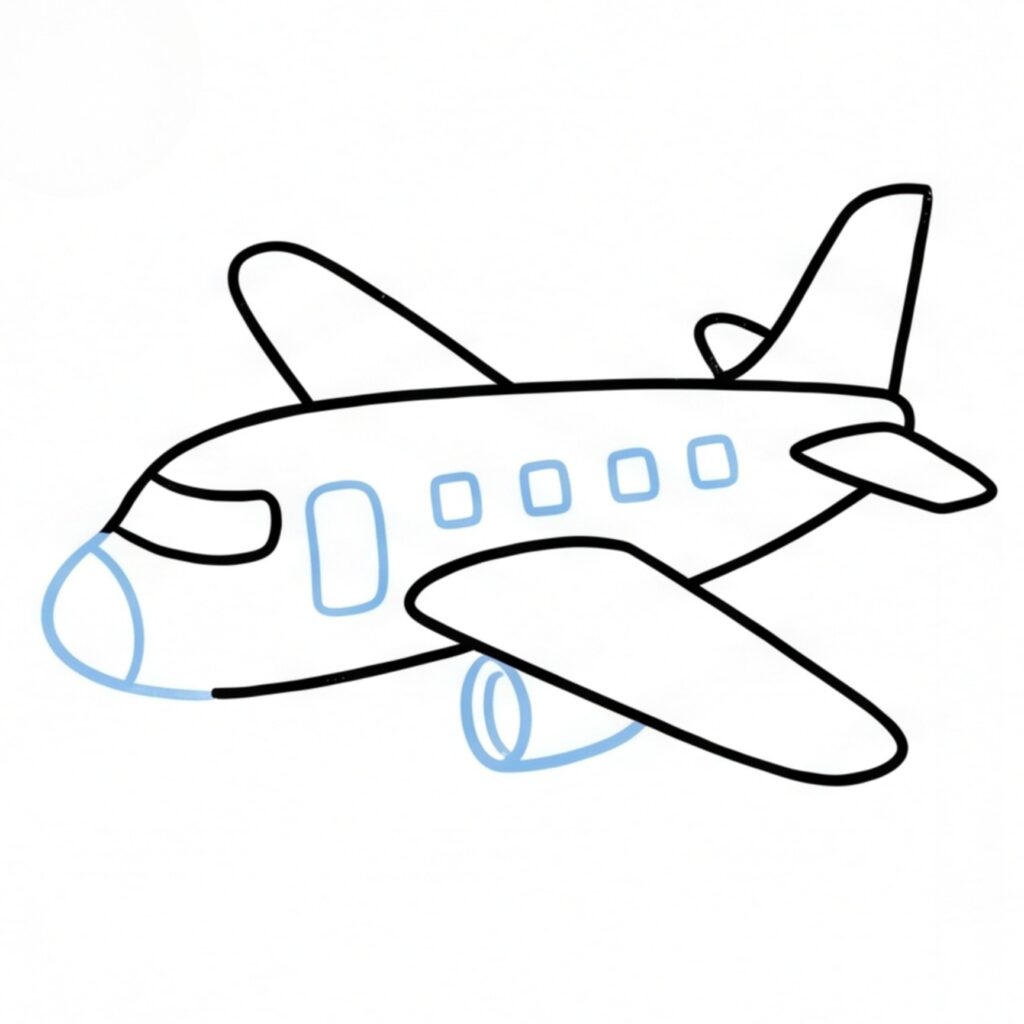
source: popartsteps.com
source: route66sketch.com
If you want a quick next step, try drawing the same airplane again from memory after finishing the first one. That repetition helps the simple shape sequence stick: body, wings, tail, nose. You can also make small changes on a second try, like widening the wings or sharpening the front, to see how little adjustments affect the final look. The simplest version is often the best place to start, because confidence comes from finishing a clean drawing fast.
source: route66sketch.com
source: popartsteps.com