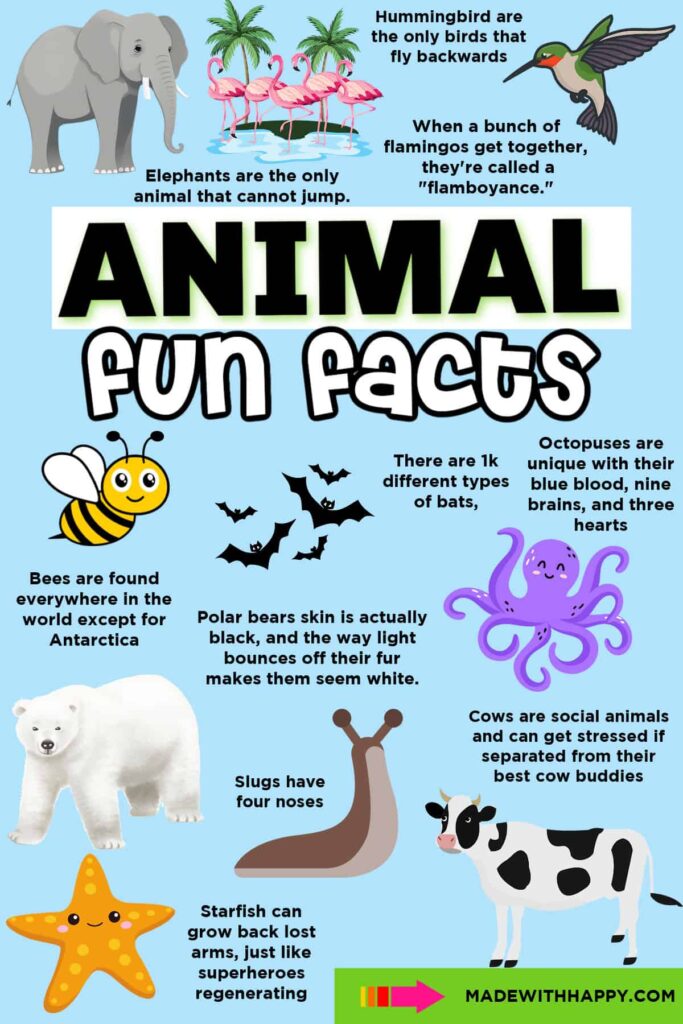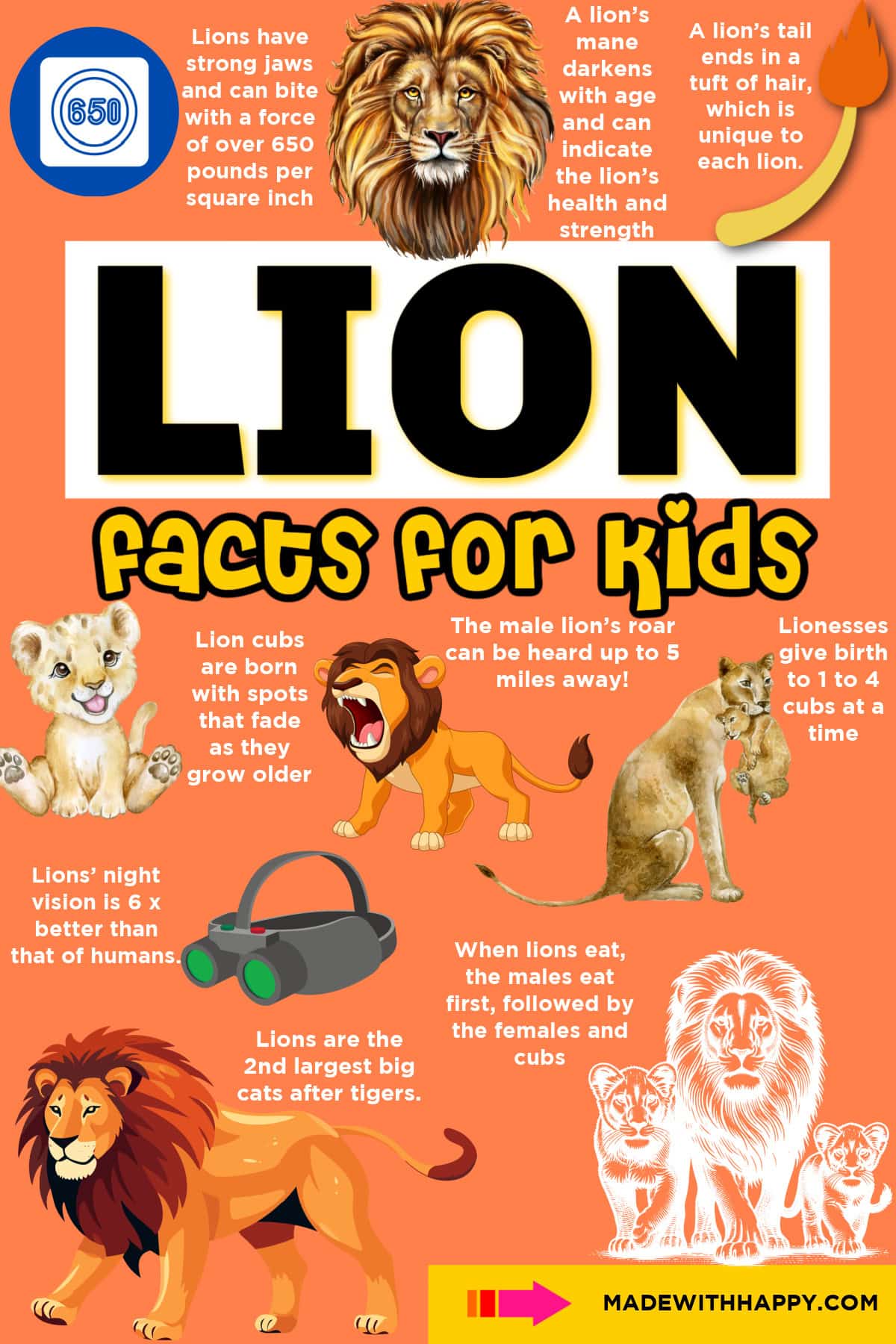
Animal facts for kids should be short, clear, and fun to remember. The best facts use simple words and stick to what is true, like what animals eat, where they live, or a special body feature. A good fact can make a child smile and learn something new at the same time without feeling too hard or technical.
Some of the easiest animal facts are about familiar animals. Dogs can hear and smell much better than people. Cats have very flexible bodies and use their tails for balance. Elephants are the largest land animals, and their trunks help them eat, drink, and explore. These kinds of facts are easy for kids to picture and remember.
Surprising Animal Traits
A few surprising facts make animal learning more exciting. A giraffe has the same number of neck bones as a human: seven. A octopus has three hearts. Penguins are birds, but they cannot fly; instead, many of them swim very well. Small surprises like these help kids see that animals can be very different from one another.
It also helps to keep facts safe and accurate. Saying an animal is the fastest or biggest can be useful only if it is correct. For children, it is better to choose simple details that are easy to check, like what an animal eats or how it moves. Clear facts are more memorable than big claims that may not be true.
Habitat and Food
Habitat facts give kids a bigger picture of animal life. Polar bears live in the Arctic, while camels are suited to dry desert places. Many animals also have special diets: pandas mostly eat bamboo, and hummingbirds drink flower nectar. When facts connect an animal to its home and food, they become easier to understand and share.

Short facts work best when they use kid-friendly words and avoid scary details. It can help to group animals by theme, such as pets, ocean animals, or animals with special body parts. Mixing a few well-known animals with one or two unusual ones keeps the list lively. The goal is to make learning feel like discovery, not homework.
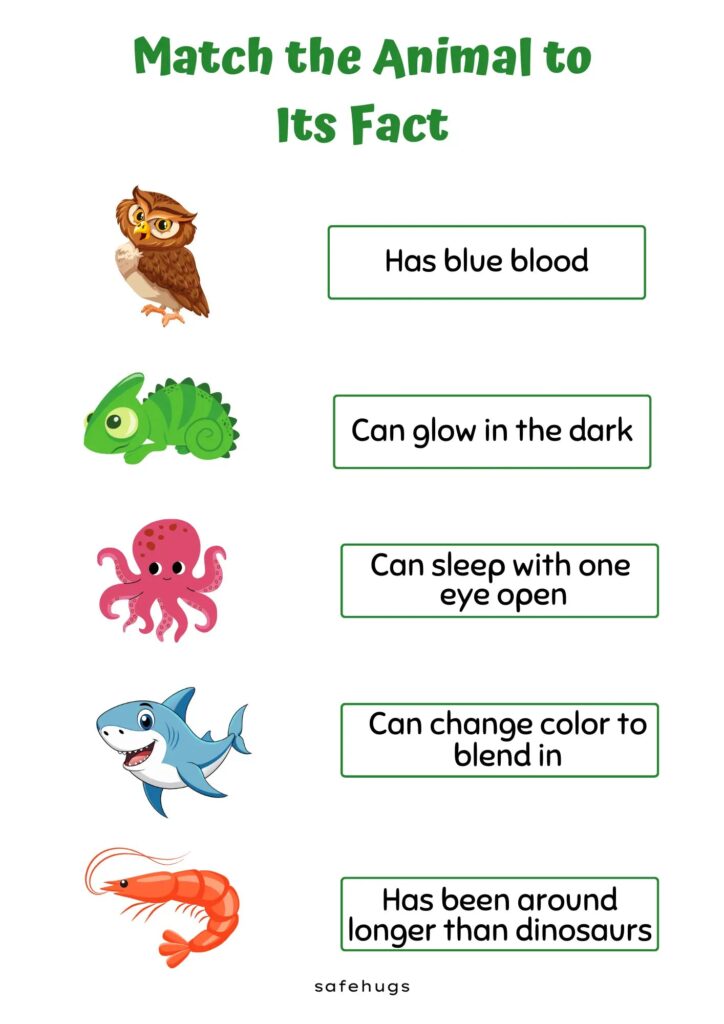
If you are choosing animal facts for kids, pick a small set that is accurate, upbeat, and easy to say out loud. A good mix of familiar and surprising details can hold attention without overwhelming young readers. Simple animal facts are often the ones children remember longest, especially when they connect to animals they already know and love.