Alphabet Coloring Sheets For Letter Practice And Fun
Alphabet coloring sheets are a simple, hands-on way to help children practice letter recognition while also enjoying coloring time. They usually feature one letter per page or a small group of letters, making them easy to use at home, in preschool, or in early elementary classrooms. The best sets keep the layout clear, the letters large, and the designs uncomplicated so kids can focus on the letter shape as they color.
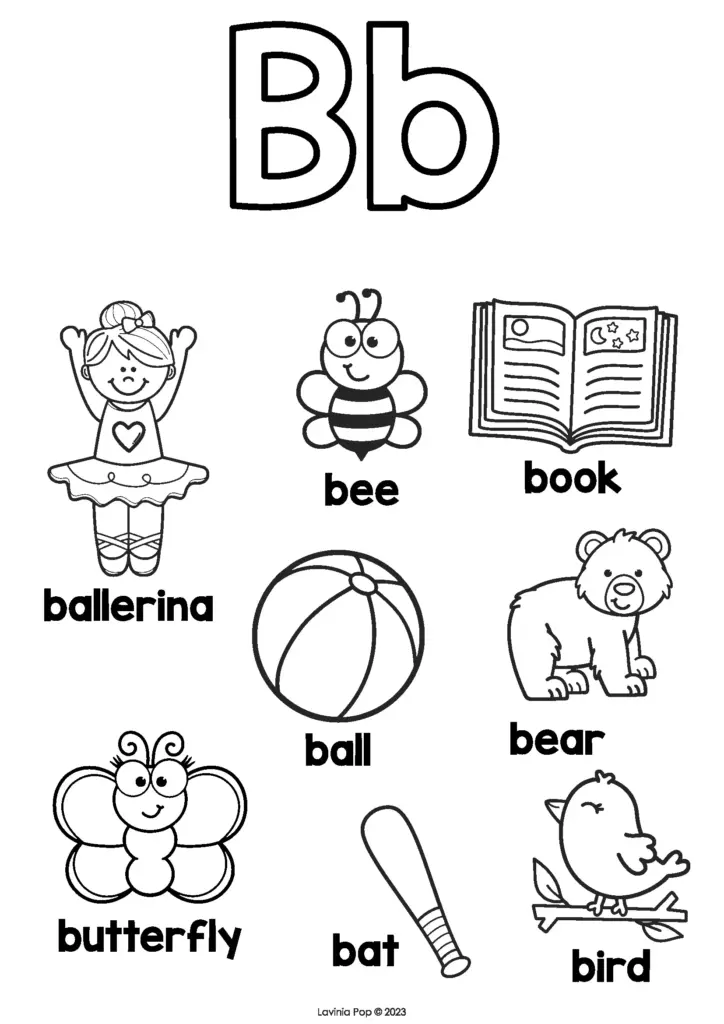
source: kinder-resources.com
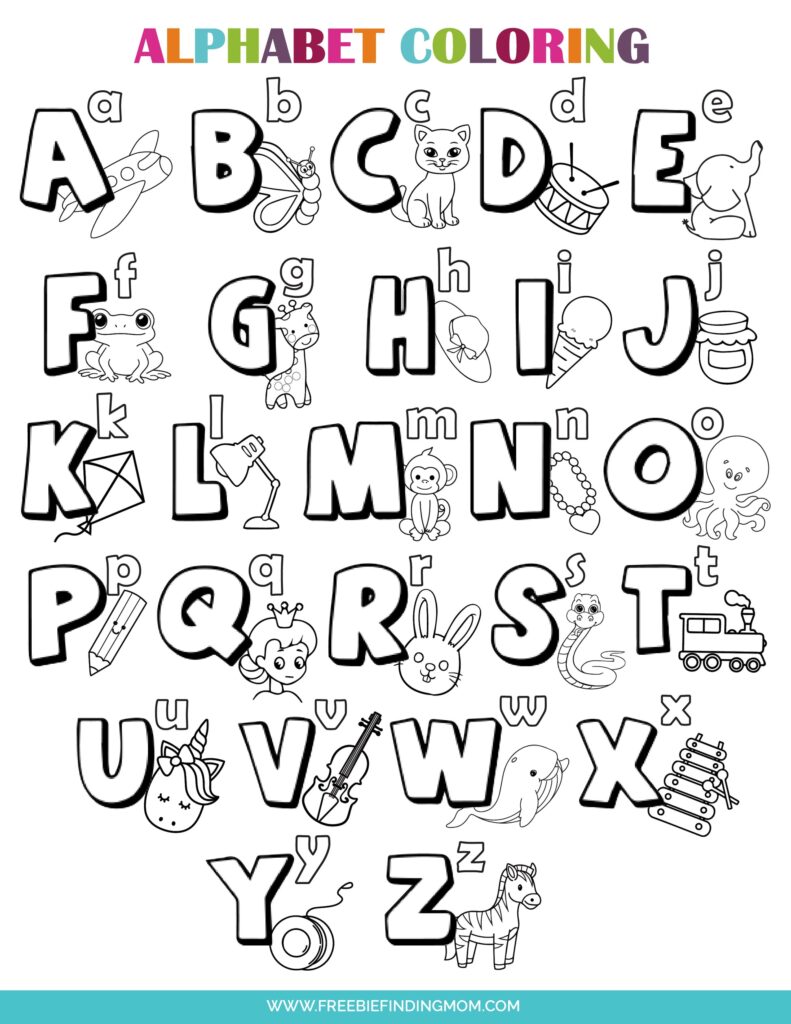
source: shop.freebiefindingmom.com
What They Include
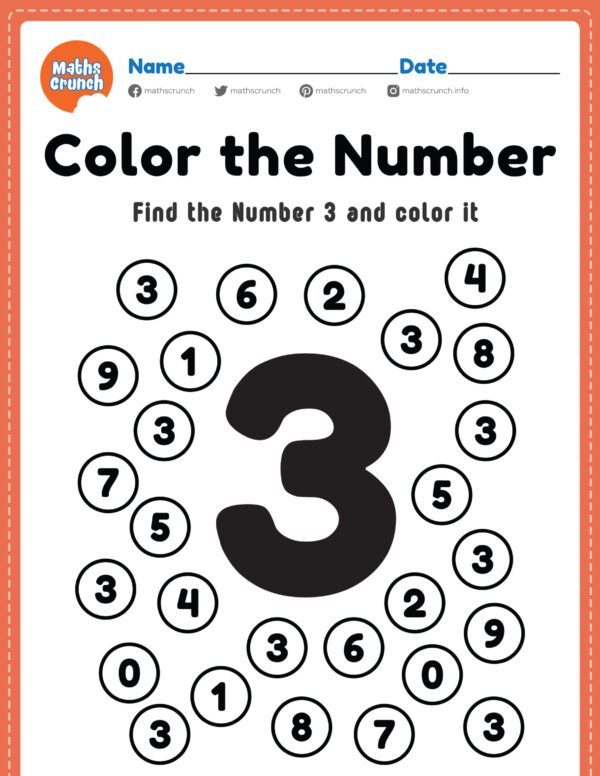
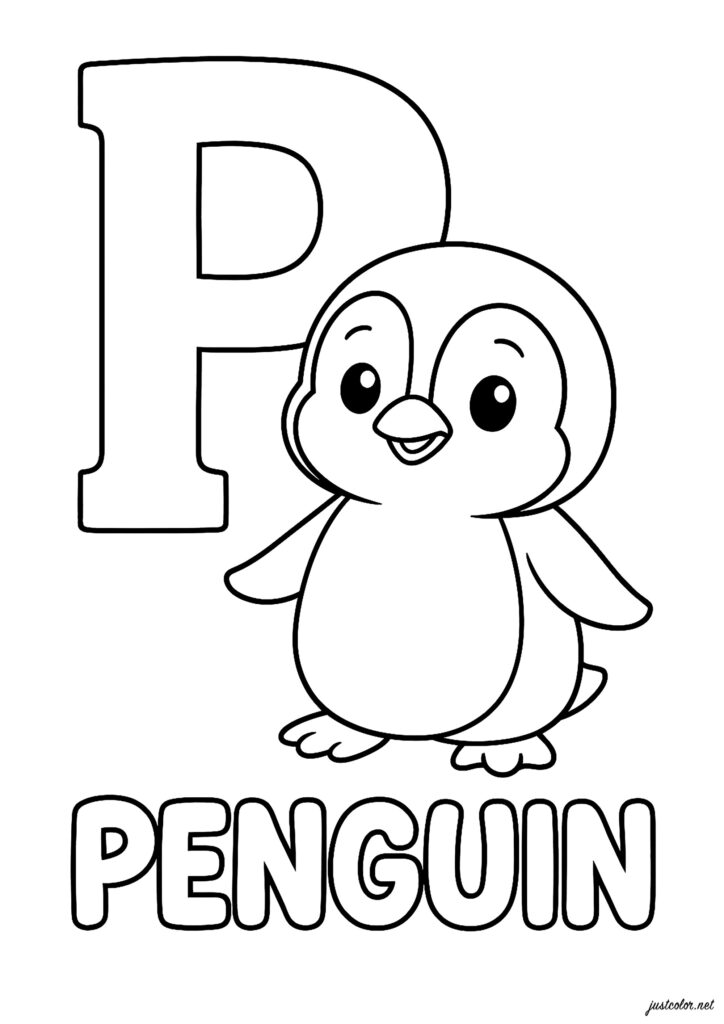
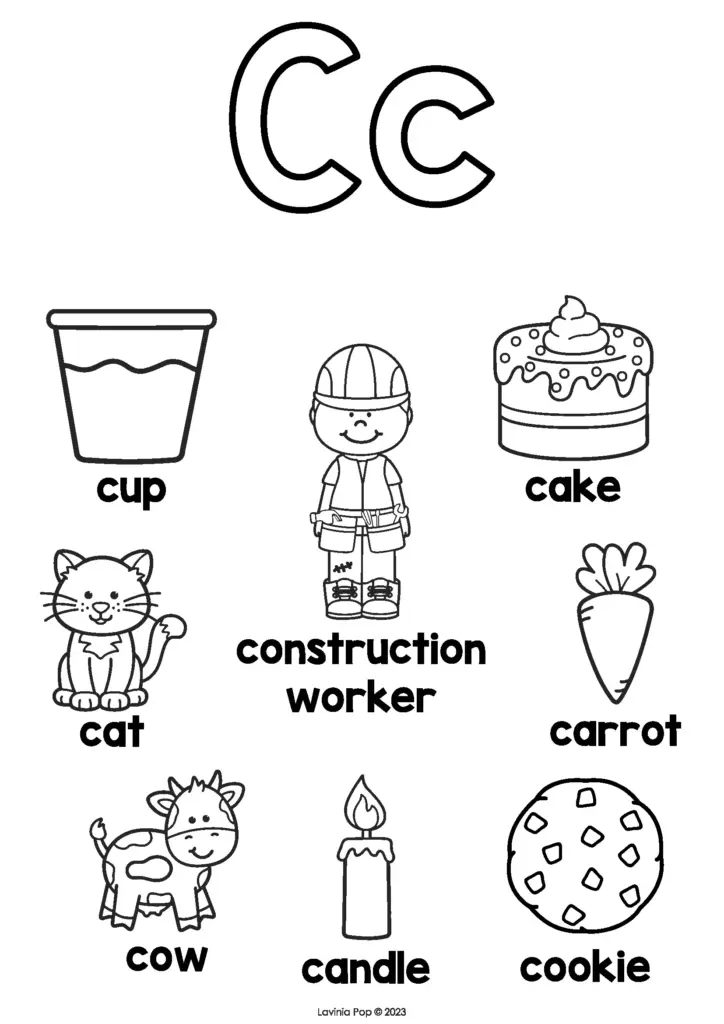
Most alphabet coloring sheets combine a large capital or lowercase letter with a picture or decorative outline to color. Some sets show both uppercase and lowercase versions side by side, which helps children notice that the same letter can look different. These pages are commonly used for quick practice, quiet-time activities, letter-of-the-week review, and simple reinforcement during centers or independent work. Because the format is familiar and low-pressure, they work well for beginners who are still learning to identify letters.

source: suncatcherstudio.com
Choosing the Right Set
When selecting alphabet coloring sheets for preschoolers, look for bold outlines, open coloring spaces, and very simple artwork. Younger children usually do better with one large letter and minimal detail, while early elementary learners may enjoy slightly more illustration without feeling crowded. It also helps if the set includes both uppercase and lowercase letters clearly labeled. Avoid pages that are too busy, since dense patterns can make it harder for children to see the letter shape they are meant to recognize.
source: mimi-panda.com
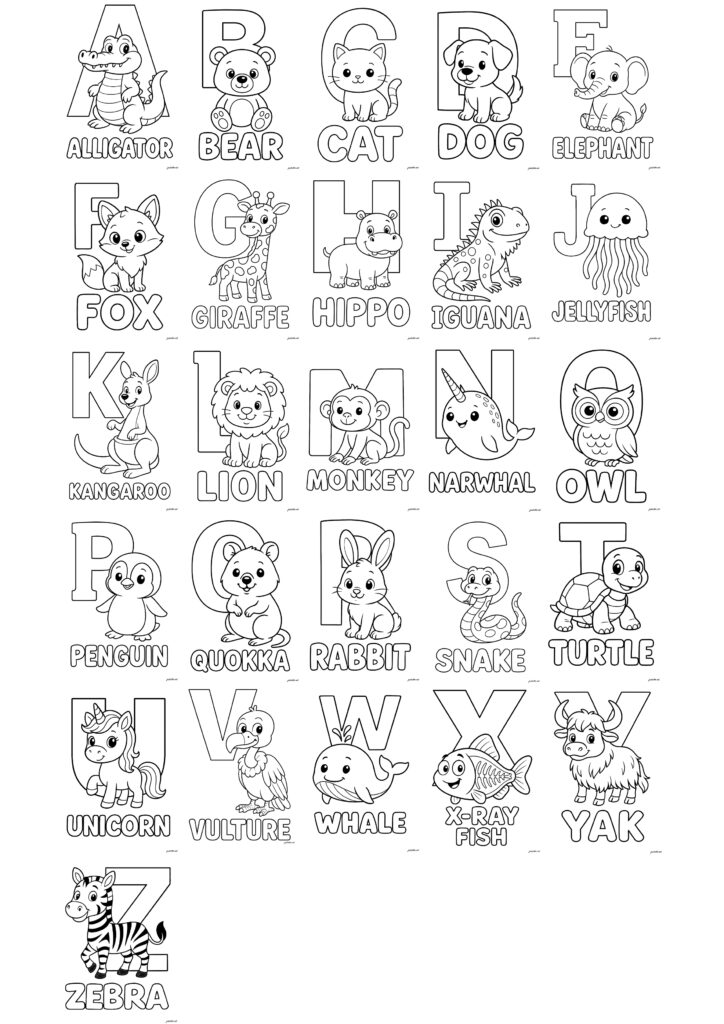
source: www.justcolor.net
source: www.justcolor.net
source: kinder-resources.com
Use alphabet coloring sheets in short, focused sessions so the activity stays enjoyable and useful. Ask a child to say the letter name before coloring, trace the letter with a finger, or find matching letters across several pages. You can also sort pages by uppercase and lowercase, or choose one letter at a time for gentle review. The main goal is simple: help children notice letters, build familiarity, and practice staying within the lines in a way that feels accessible and fun.