3rd Grade Coloring Pages For Kids
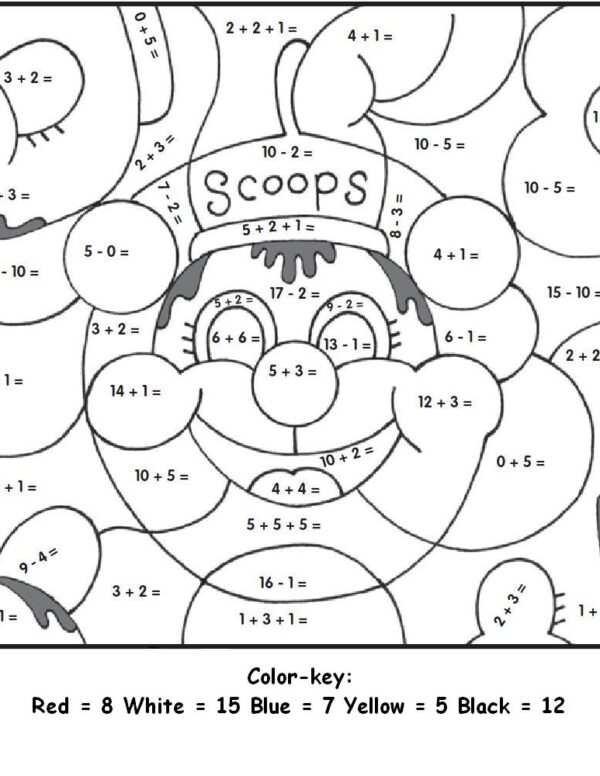
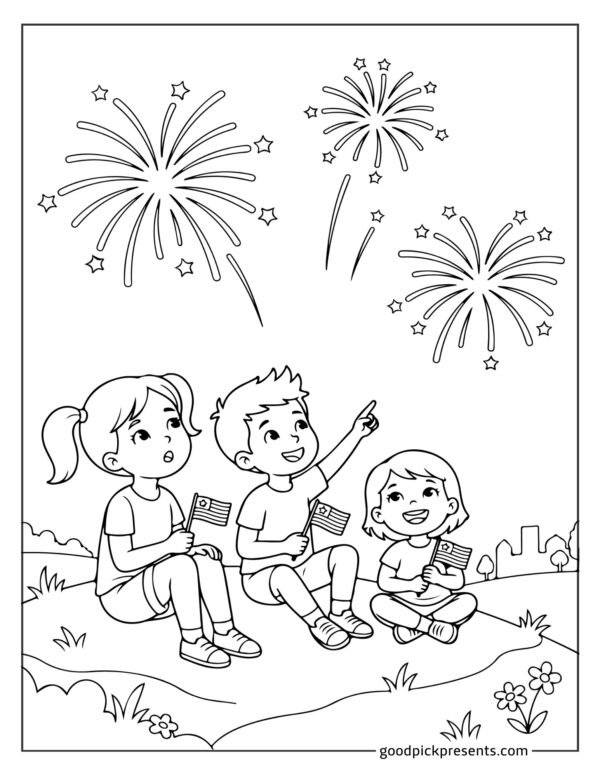
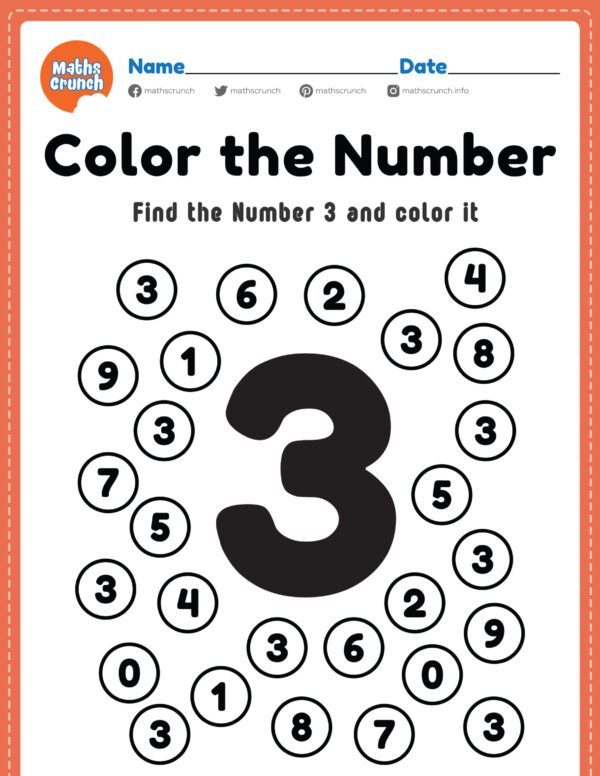
3rd grade coloring pages should feel just right for children who are ready for a little more detail, but not so much that the picture becomes frustrating. The best pages usually match a simple reading level, show familiar subjects, and leave enough open space for steady coloring. When you choose well, the page feels fun, clear, and age-appropriate rather than crowded or babyish.
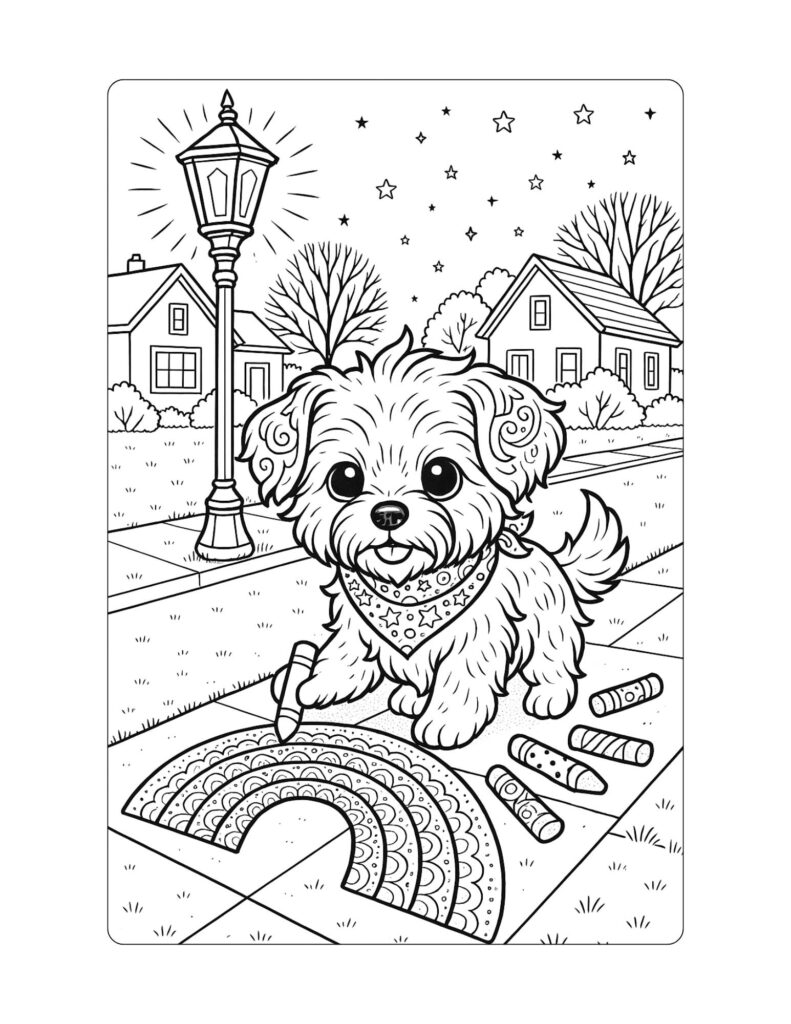
source: Classroom Companions
What Fits This Age
For 3rd graders, the subject matter should feel familiar and friendly. School scenes, animals, seasons, holidays, and simple educational motifs all work well because they are easy to recognize and enjoy. These pages can also support independent coloring, since most children in this age group can follow outlines and fill shapes without constant help. Look for images that invite creativity, like a pumpkin, a classroom desk, a butterfly, or a snow scene, rather than overly childish cartoon styles or very mature themes.
source: Coloring Pages HQ
Choosing the Right Page
source: Classroom Doodles
source: TPT
A good 3rd grade coloring page has clear lines, shapes that are not too tiny, and enough open space for crayons or colored pencils. Fine texture and heavy detail can be interesting, but too many small parts may slow a child down or make the page feel stressful. If the picture has bold outlines and medium-sized areas, it is usually easier to use at home or in class. It also helps when the design is simple enough to finish in one sitting, especially for younger third graders.
source: Yay! Coloring Pages
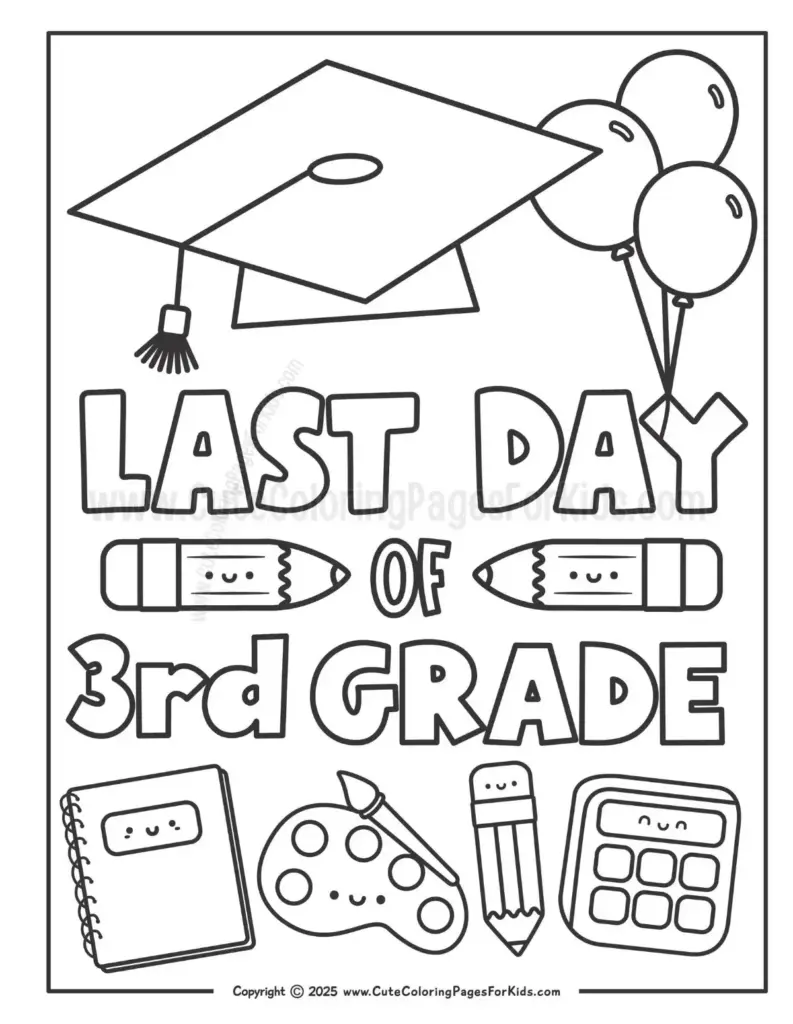
source: Cute Coloring Pages For Kids
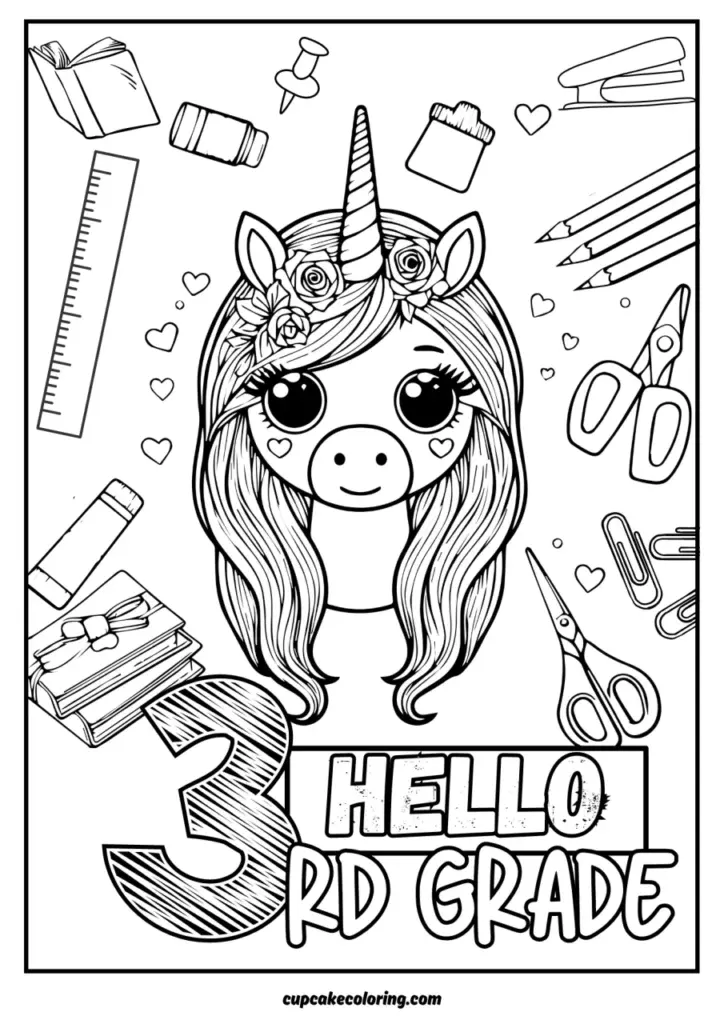
source: Cupcake Coloring
These pages work well for quick quiet time, rainy days, centers in a classroom, or a short creative break after school. A child can color a spring flower page with bright greens and pinks, or give a winter scene cool blues and silver. Simple educational motifs, like apples, books, maps, or stars, can make the page feel fresh without making it too difficult. The best choice is one that feels fun first and then supports careful coloring second, so children stay interested from start to finish.