3d Coloring Page Tips For Better Depth And Print
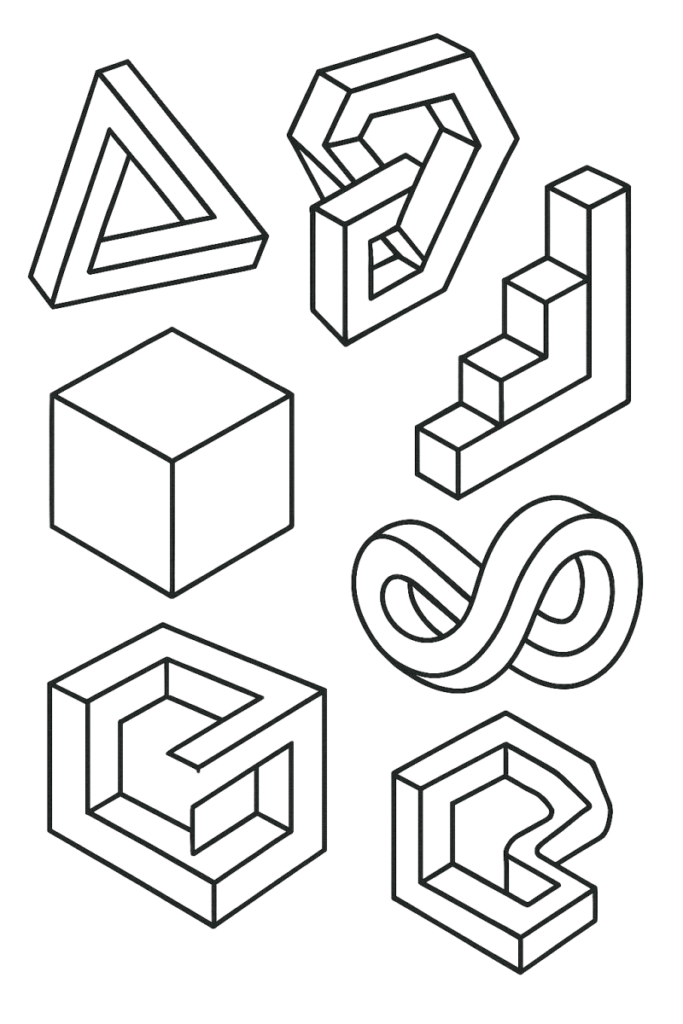
A 3d coloring page uses linework, shading, and perspective to make a flat image look raised, layered, or popping off the paper. The effect is usually created by strong outlines, repeated contours, cast shadows, and highlights that guide the eye. If you choose the right paper and color with a light hand, the illusion stays crisp instead of muddy.
source: zumipic.com
When you print a 3d coloring page, use thicker paper if possible so markers or heavier layering do not warp the sheet. Smooth white paper usually shows the details best, while very textured paper can soften fine shadow lines. For tools, colored pencils are the safest choice because they allow gradual shading and clean highlights. Fine-tip markers can work too, but test them first to see whether they bleed through or blur the edges that create the 3D effect.
Choosing the Right Design
source: www.justcolor.net
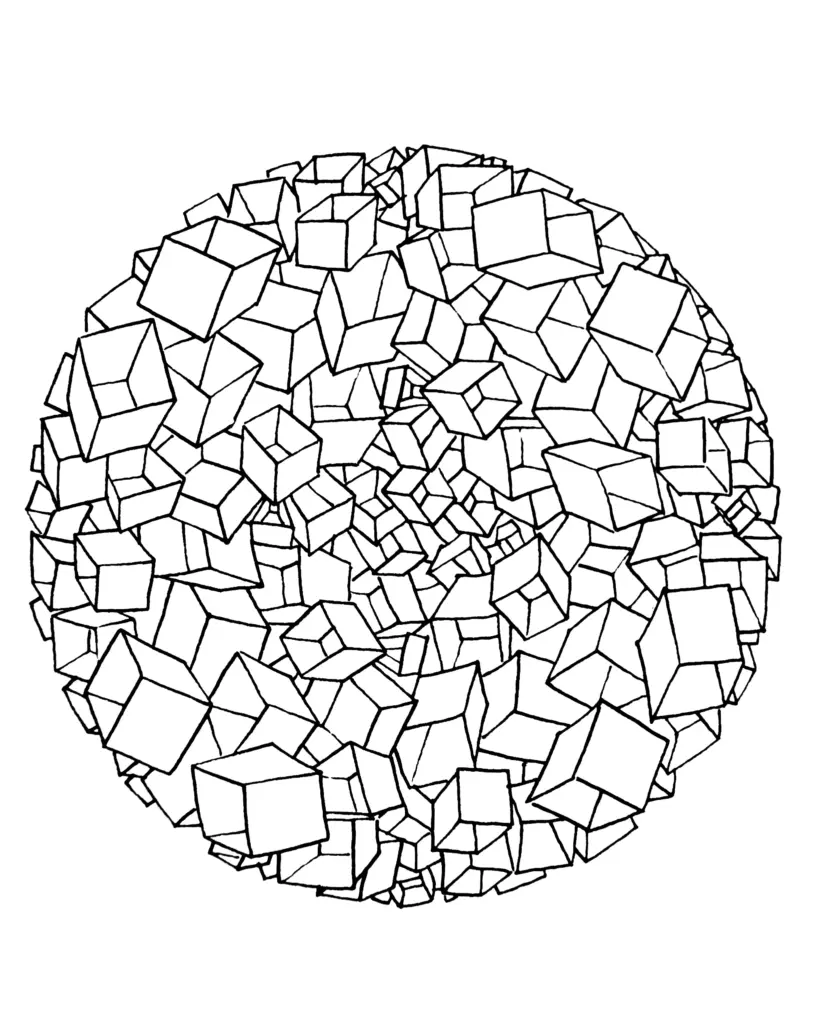
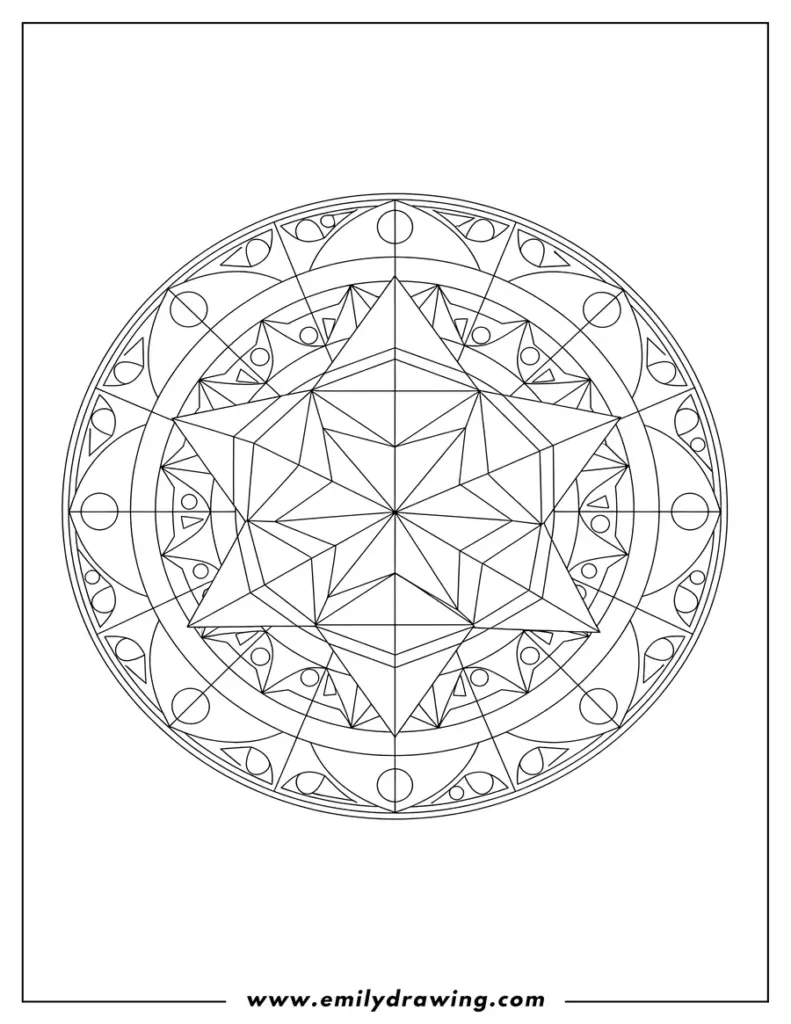
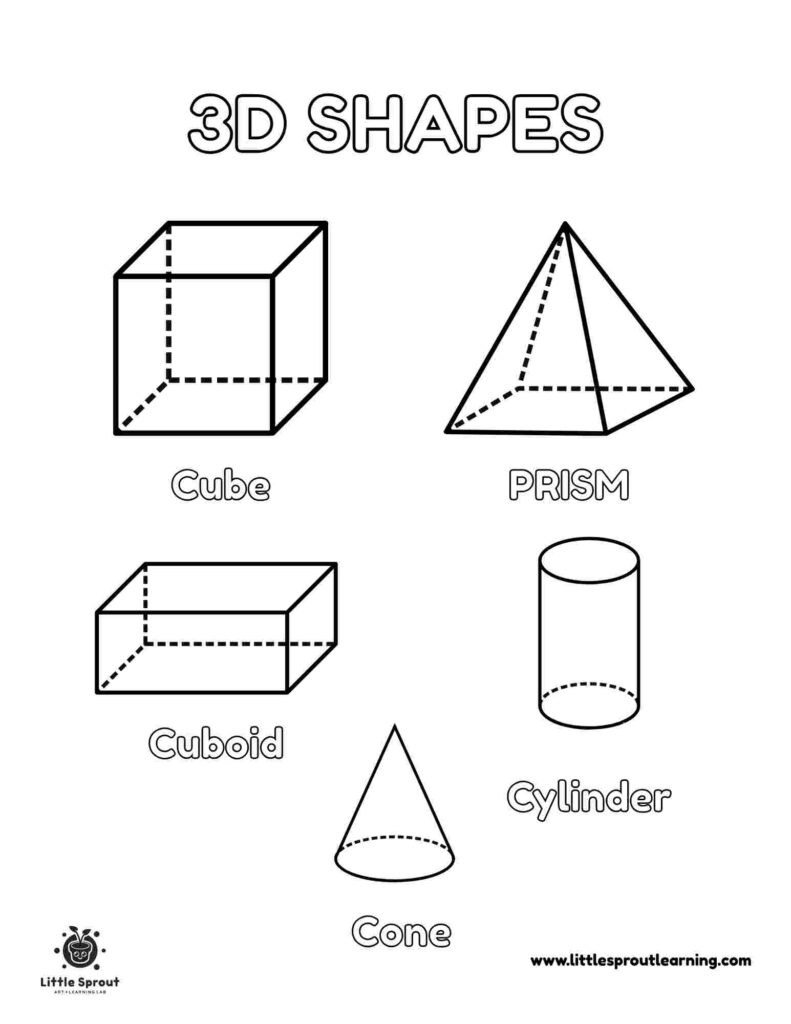
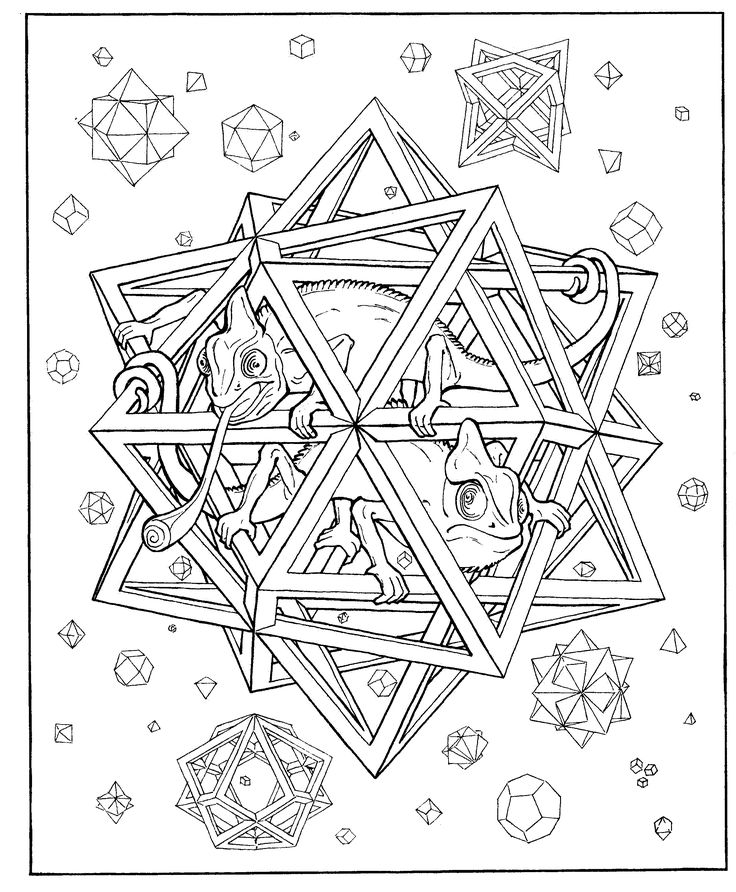
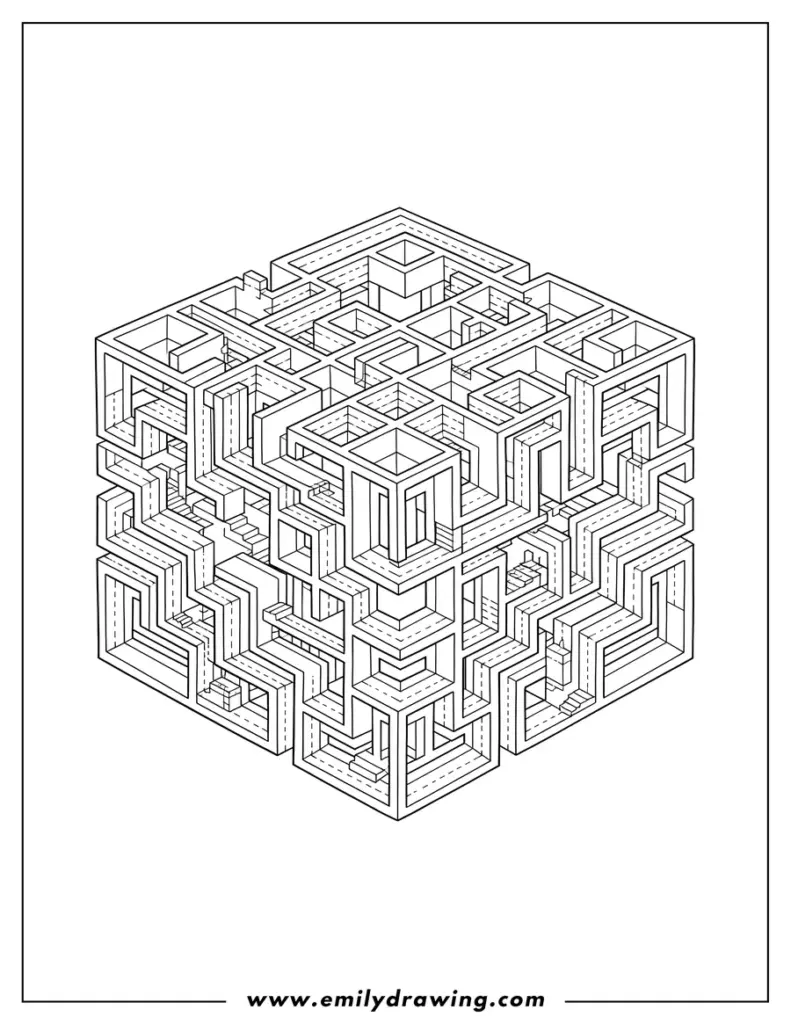
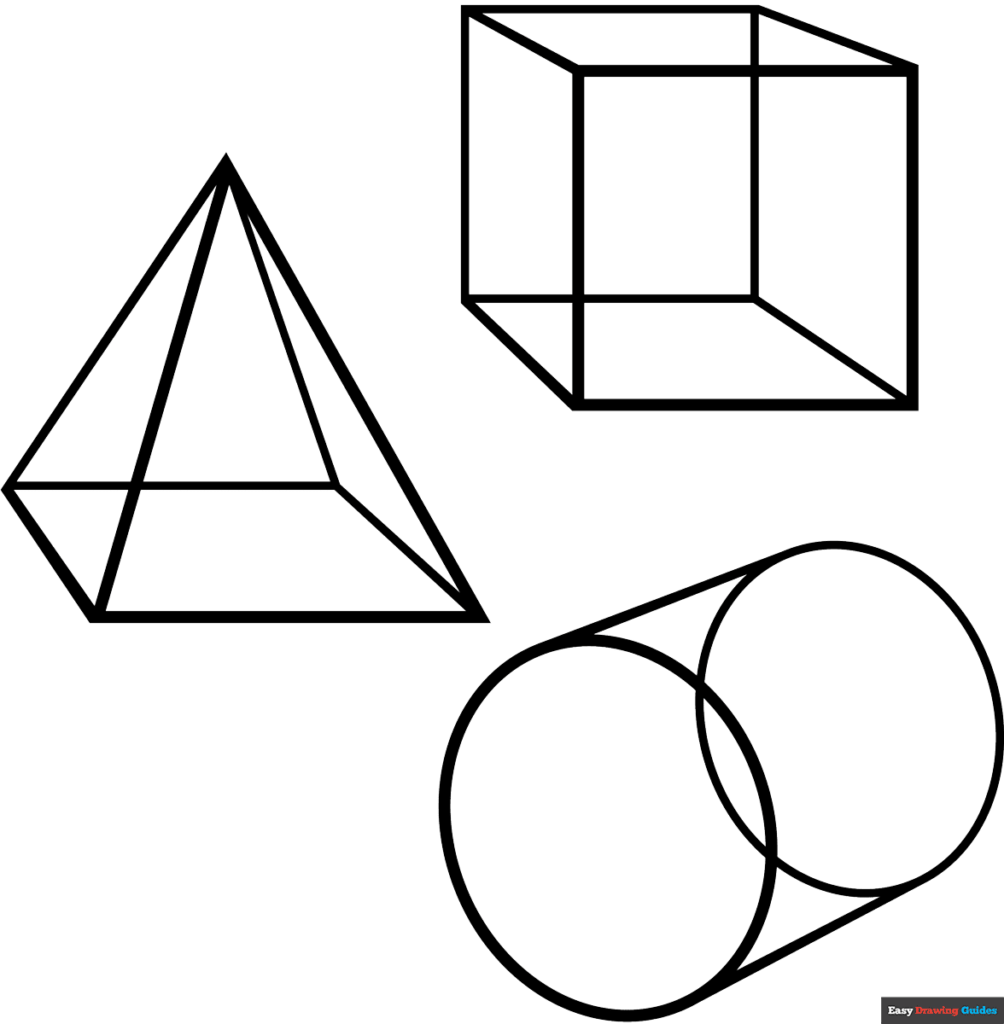
Pick a design based on how much depth it already suggests. Beginners usually do better with bold, simple forms such as cubes, lettering, animals with clear outlines, or objects with one obvious light source. More detailed scenes, like buildings or layered characters, can look more dramatic but need more careful shading. If the page has many tiny sections, choose it only if you are comfortable staying inside narrow areas and preserving the small shadow shapes that sell the illusion.
source: www.emilydrawing.com
source: littlesproutlearning.com
Coloring for Depth
To enhance a 3d coloring page, decide where the light is coming from before you color. Shade the side farthest from the light a little darker, then leave or lightly color the brightest area. Use a single direction for shadows so the object does not look flat or confused. Small touches matter: deepen creases, add a soft shadow under an edge, and leave tiny highlights on curved surfaces. Avoid filling every area evenly, because even coverage reduces the illusion of lift and distance.
source: au.pinterest.com
source: www.emilydrawing.com
source: easydrawingguides.com
The best results come from restraint. Start with light color, build layers slowly, and check the page from a short distance to see whether the depth reads clearly. If the image still looks flat, add contrast rather than more color: darker shadows, cleaner highlights, and sharper edges where forms overlap. That simple approach is usually enough to make a 3d coloring page feel dimensional without overworking the design.