8th Grade Double Digit Addition Activities For Practice
8th grade double digit addition activities should focus on accurate, efficient practice with numbers students can solve quickly but still think about carefully. In a middle school setting, the best options are short, purposeful tasks that reinforce place value, regrouping, and mental or written computation. These activities should feel age-appropriate, fast-paced, and useful for review, warm-ups, or skill stations.
Partner Practice Ideas
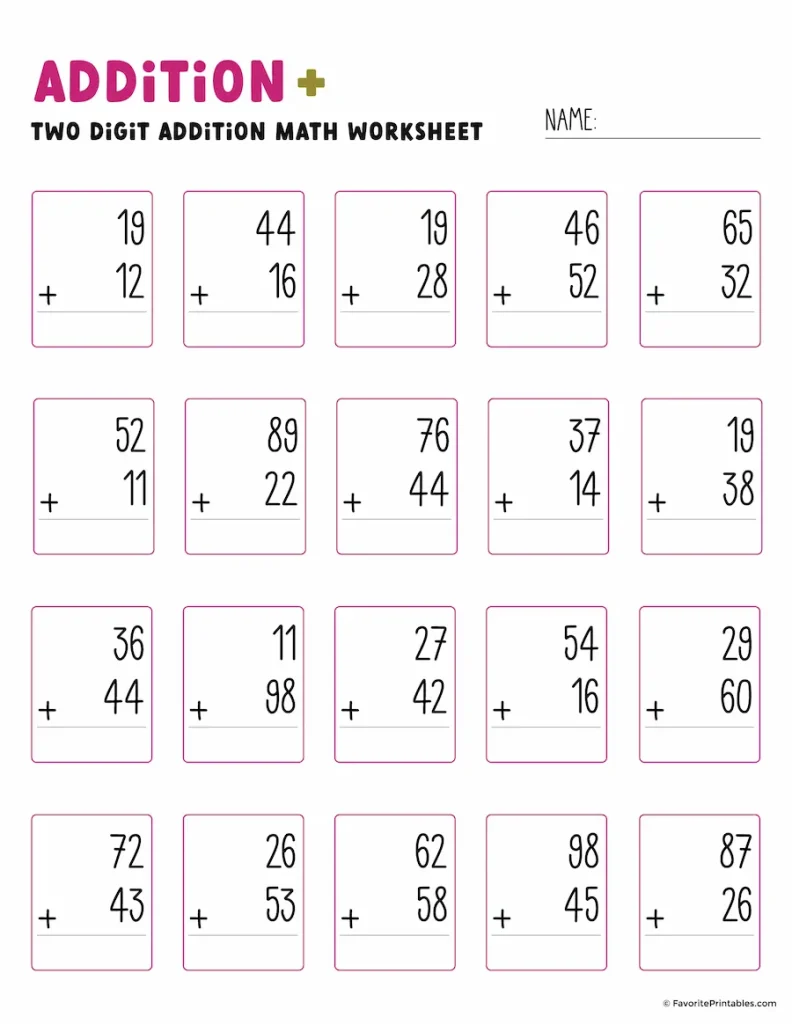
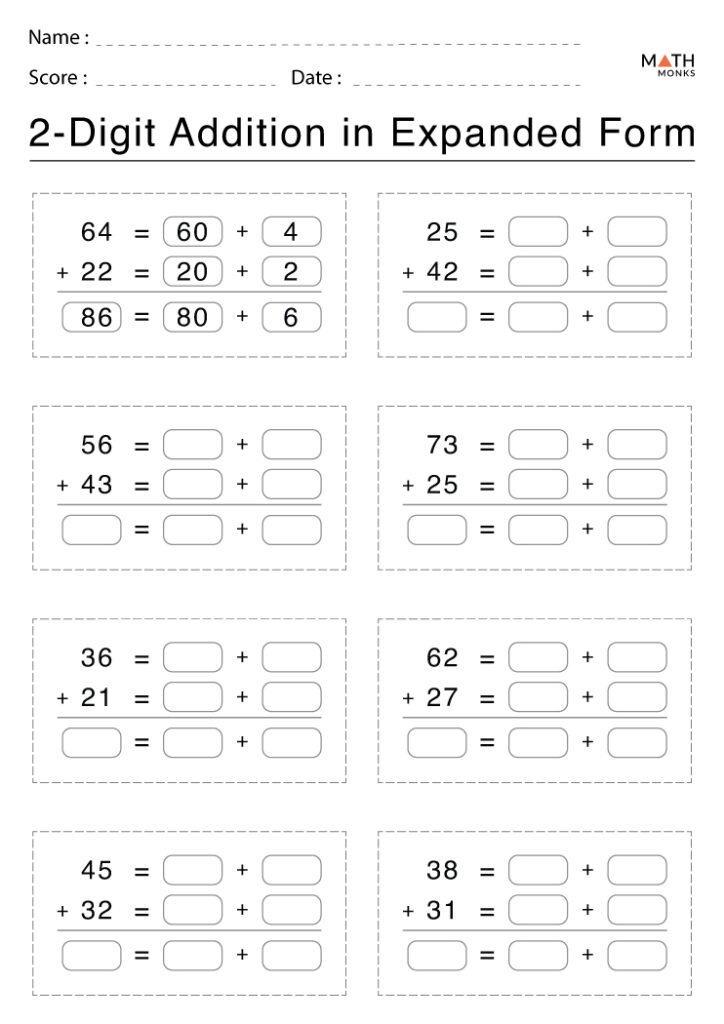
Partner practice works well when students explain their thinking instead of just giving answers. One student can read a two-digit addition problem, and the other solves it while naming the tens and ones, then both check the regrouping step together. A simple variation is “build, add, explain,” where partners use digits cards to create problems and justify why a sum requires carrying. This keeps the work social but still mathematically focused.
source: Favorite Printables
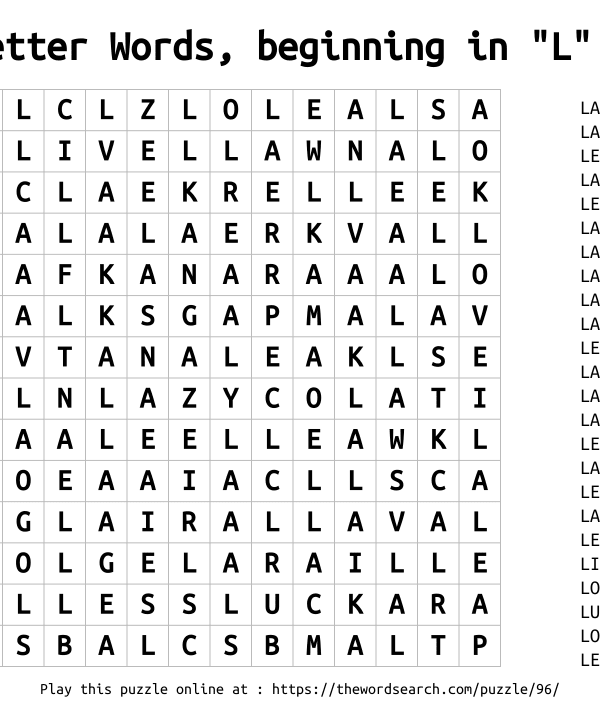
Game-based practice can make repeated addition feel more engaging without lowering the academic level. Try a timed match game with problem cards and answer cards, or a board game where students move only after solving a two-digit addition problem correctly. Games should reward accuracy first, then speed, so students do not rush past regrouping errors. For 8th graders, use clean layouts and competitive but brief rounds that feel age-appropriate rather than childish.
source: Math Monks
source: Cazoom Maths
Independent Stations
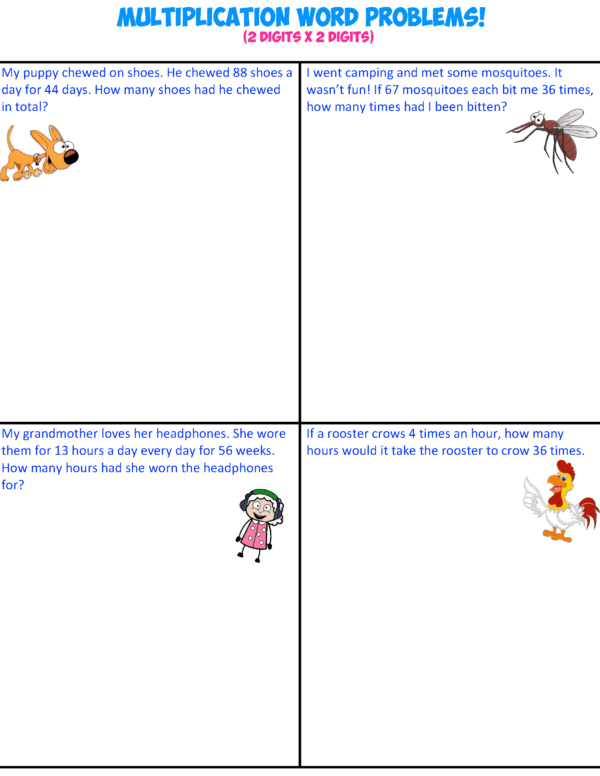
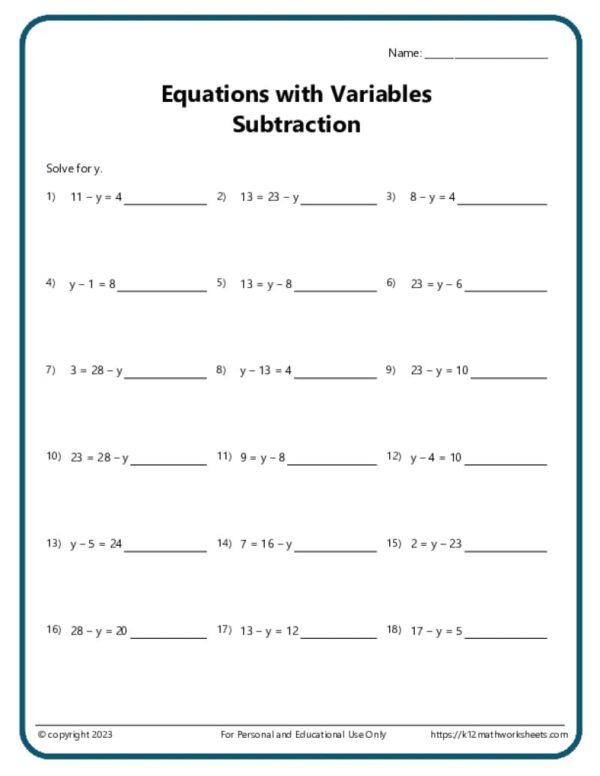
Independent skill stations are useful for mixed review and quiet practice. One station can use vertical addition problems, another can ask students to sort sums by whether regrouping is needed, and a third can include short word problems that require adding double-digit numbers in context. Keep each station short and self-checking when possible. This lets students practice place value recognition, carrying, and written accuracy without spending too long on any single format.
A strong finish is to combine all three formats across a class period: partner talk for reasoning, a game for speed and motivation, and a station for independent accuracy. That balance helps 8th graders practice double digit addition without making the work feel elementary or repetitive. If the goal is fluency, choose problems that are challenging enough to require regrouping but simple enough to solve quickly once students apply the correct strategy.