7th Grade Subtraction Activities For Practice And Review
7th grade subtraction activities should do more than give students routine computation. At this level, subtraction practice needs to build fluency with integers, rational numbers, and multi-step problems that show up in middle school math. The best activities are short, clear, and flexible enough for classwork, partner work, homework, or quick checks, while still matching the skills students actually need to strengthen.
Integers and Number Lines
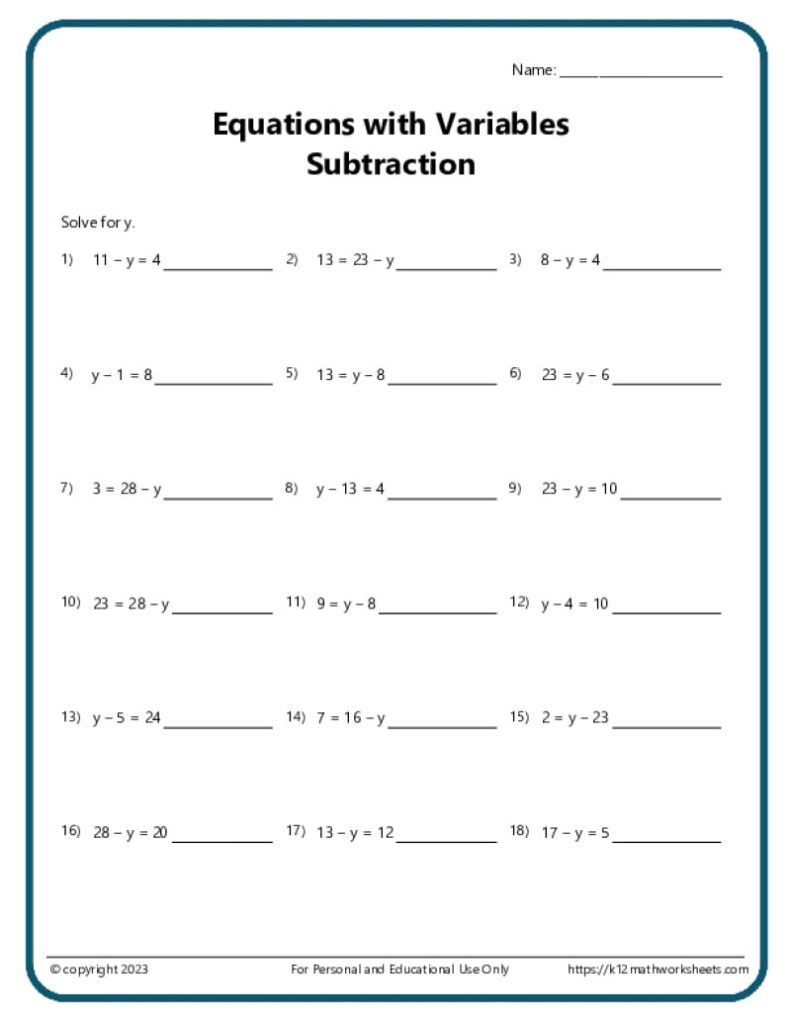
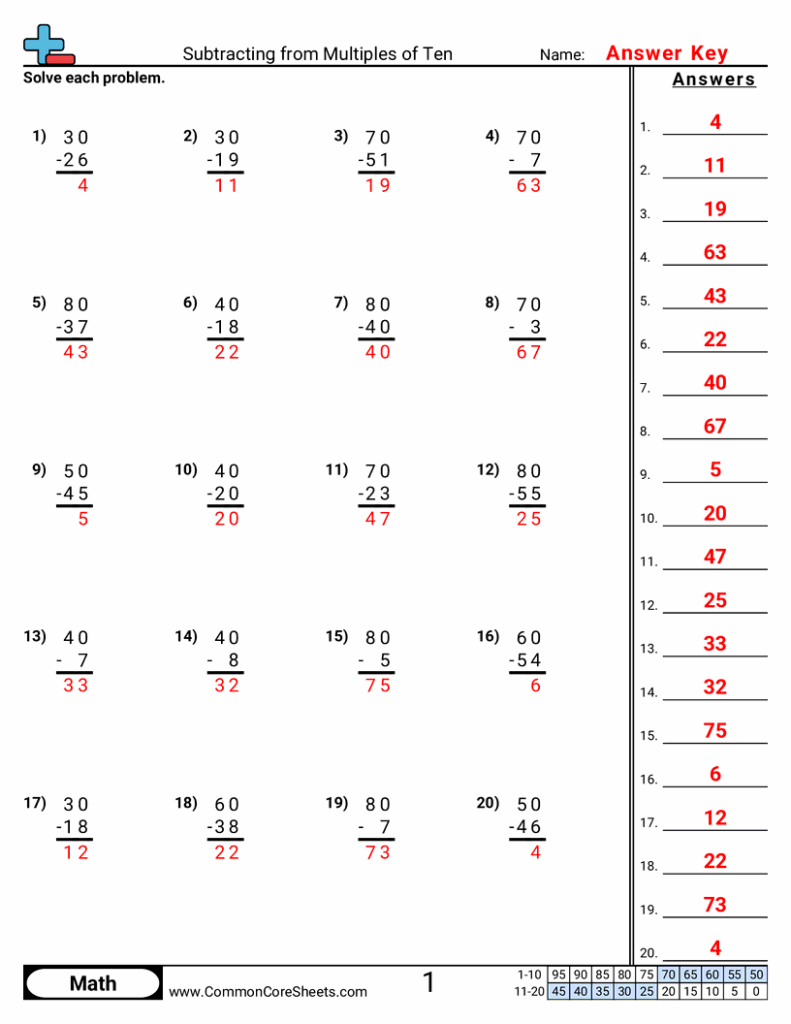
A strong place to start is integer subtraction on number lines, because it helps students see why subtracting a negative changes the value. Good activities include solve-and-justify cards, error analysis, and short matching sets with expressions such as -4 – 7 or 6 – (-3). These work well for independent practice or quick partner discussion. Teachers can use them to check whether students understand the meaning of subtraction, not just the rule. This format is especially helpful for students who need visual support before moving to more abstract problems.
source: K12 Math Worksheets
source: Common Core Sheets
Fractions, Decimals, and Mixed Numbers
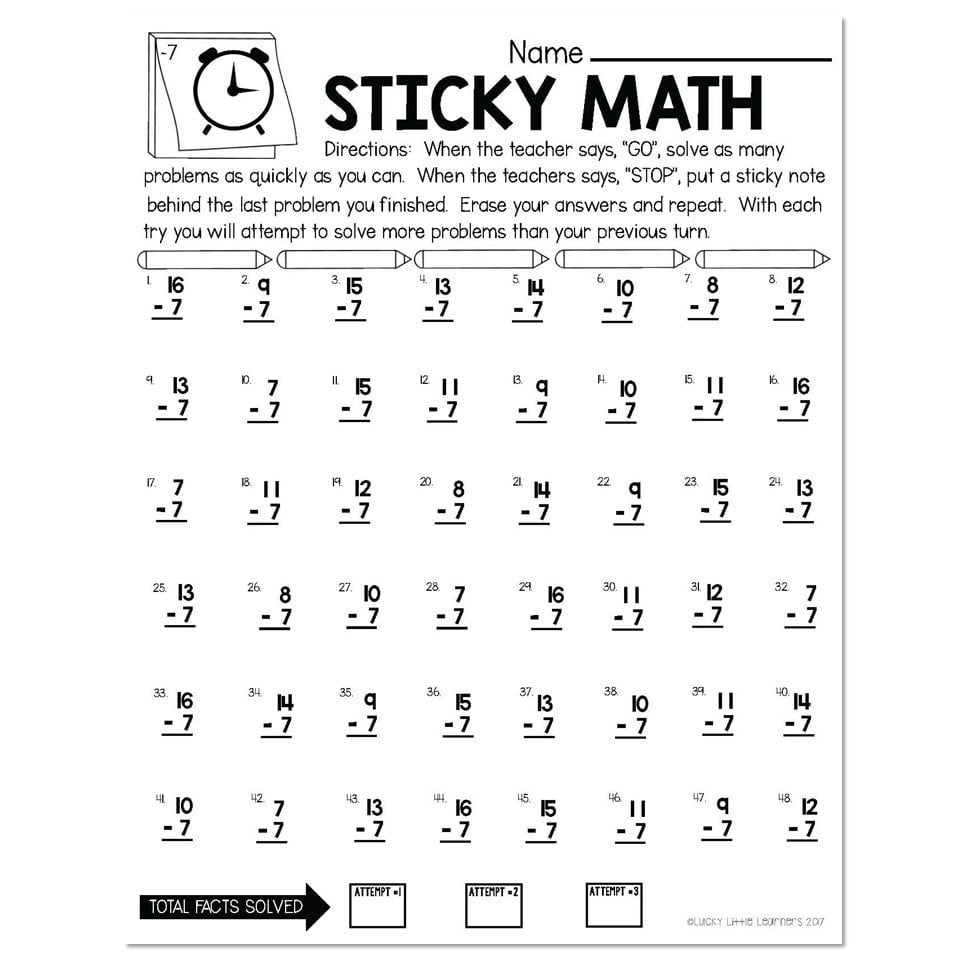
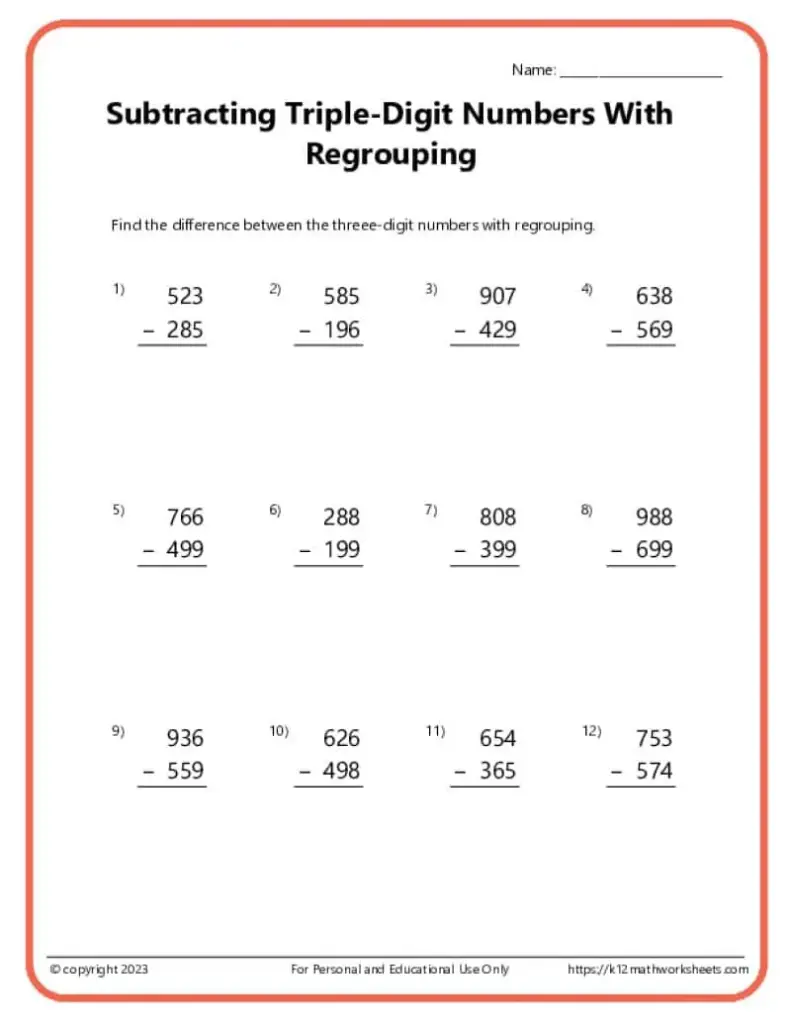
For rational numbers, students need subtraction practice with fractions, decimals, and mixed numbers that require regrouping and careful alignment of place value. Useful activities include computation strips, vertical-expression practice, and “find the difference” tasks with money, measurement, or recipe contexts. Keep the numbers manageable at first, then increase complexity by mixing whole numbers with fractions or decimals. These activities can be assigned for independent seatwork or used as a quick partner check where students compare answers and explain any regrouping steps. The goal is accuracy with procedures and confidence with different number forms.
source: Shop – Lucky Little Learners
source: K12 Math Worksheets
To connect subtraction to real use, include word problems that ask students to compare quantities, track change over time, or solve multi-step situations. A good set might include expense problems, temperature changes, elevation differences, or score comparisons. Students should identify what is being subtracted before choosing an operation, especially when extra information is included. These tasks work well as homework, warm-ups, or exit tickets because they reveal both computation skills and reasoning.
When choosing activities, match the level to student readiness: start with single-operation problems, then move to multi-step items with mixed numbers or integers once accuracy is steady.