1st Grade Addition Activities To Build Math Confidence
1st grade addition activities work best when they are short, hands-on, and easy to repeat. First graders usually need practice with small sums, counting on, and recognizing addition as putting groups together. The best activities feel like play while still giving clear number practice. Look for options that use simple directions, familiar objects, and quick answers so children can stay engaged without getting overwhelmed.
Hands-on math practice
Manipulatives are one of the most effective ways to teach addition in first grade. Use counters, blocks, cubes, beads, or buttons to show two groups being combined. For example, a child can place 3 red counters and 2 blue counters together, then count all 5. This helps build number sense because students can see what addition means before moving to written equations. It also works well for independent practice, small groups, or parent-led support at home.
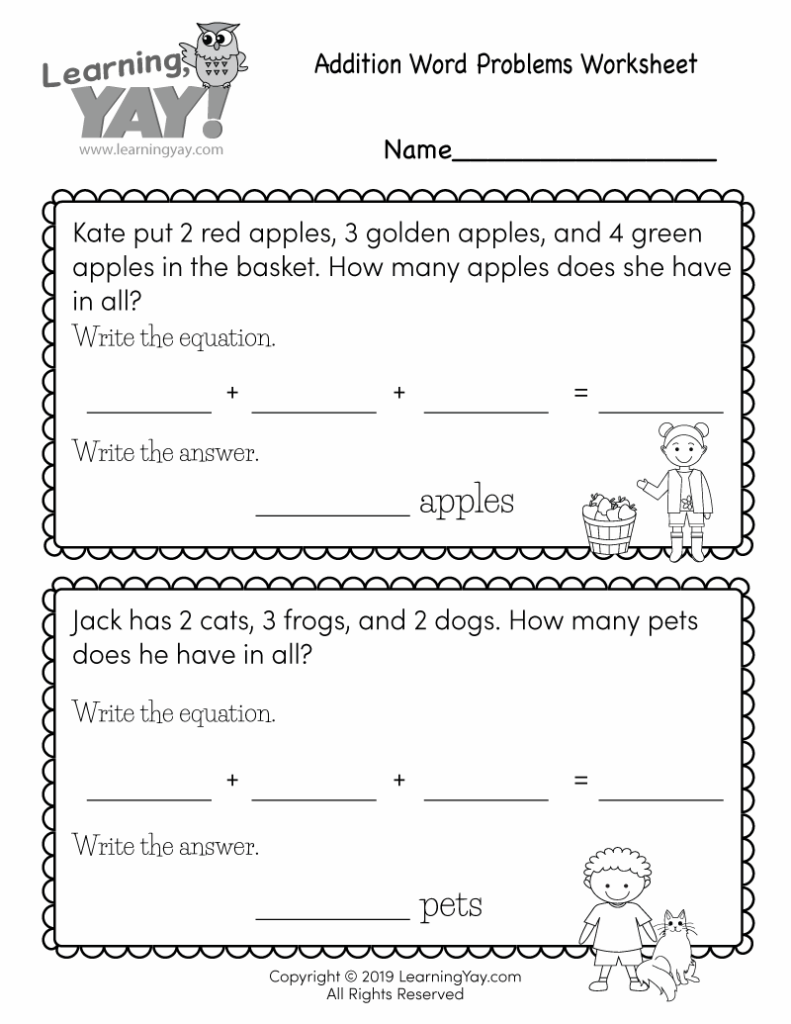
source: Learning, Yay!
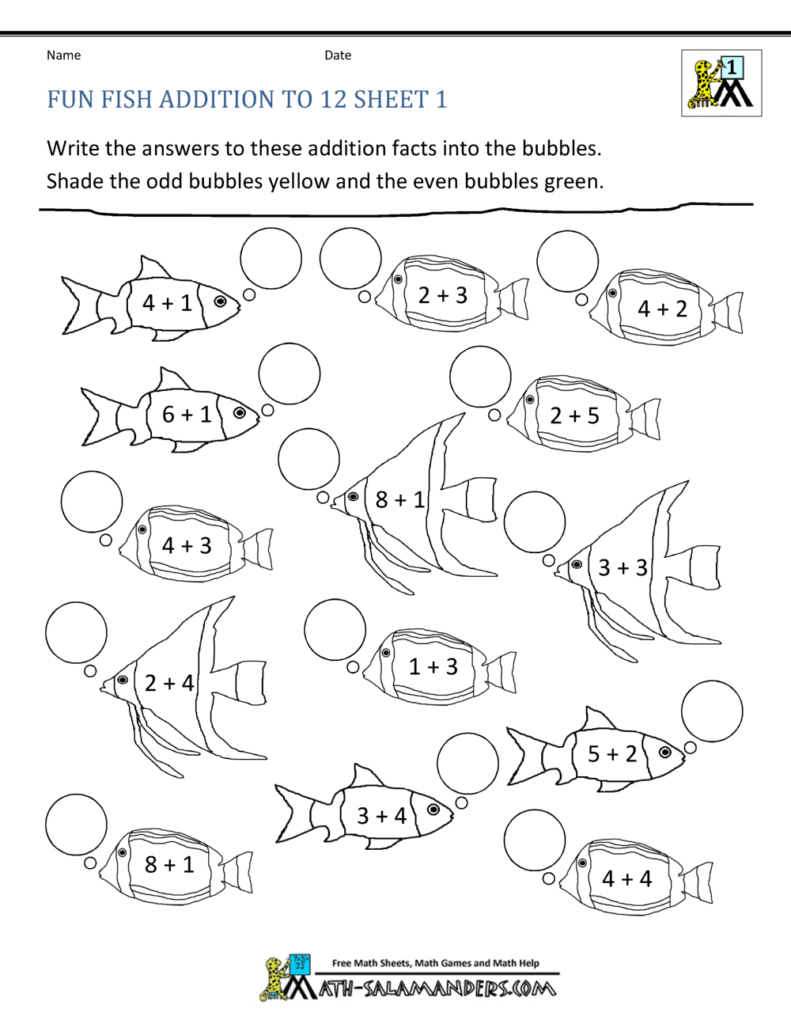
source: Math Salamanders
Games and partner work
Simple games keep 1st grade addition activities lively and give children many quick reps. Try rolling dice and adding the dots, drawing two number cards and finding the sum, or playing a matching game with equations and answers. Partner practice can be very short: one child makes an equation with counters, and the other solves it. These activities are helpful because they limit reading demands and let children focus on the numbers instead of directions.
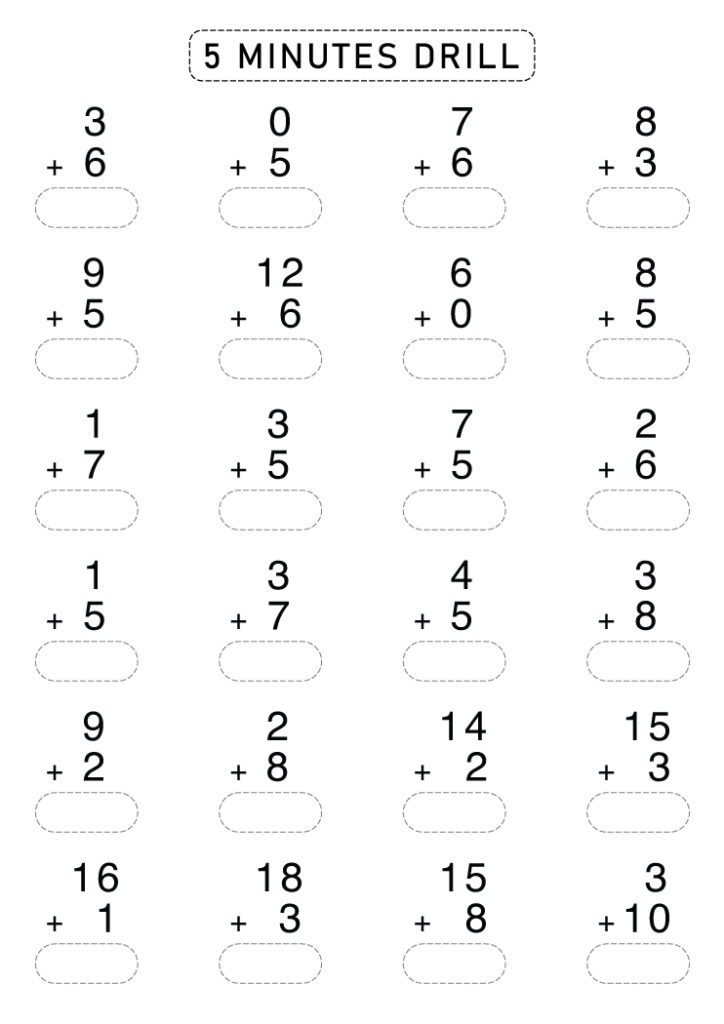
source: Math Monks
Worksheets can support addition practice when they stay brief and visual. Choose pages with large numbers, pictures to count, and only a few problems at a time. This is useful for independent work because children can complete it quietly after a short demonstration. For students who need more support, circle objects, use color coding, or read directions aloud. A good rule is to match the task to attention span: keep it simple, concrete, and successful so practice feels manageable and motivating.