1st Grade Single Digit Addition Color By Code Printable
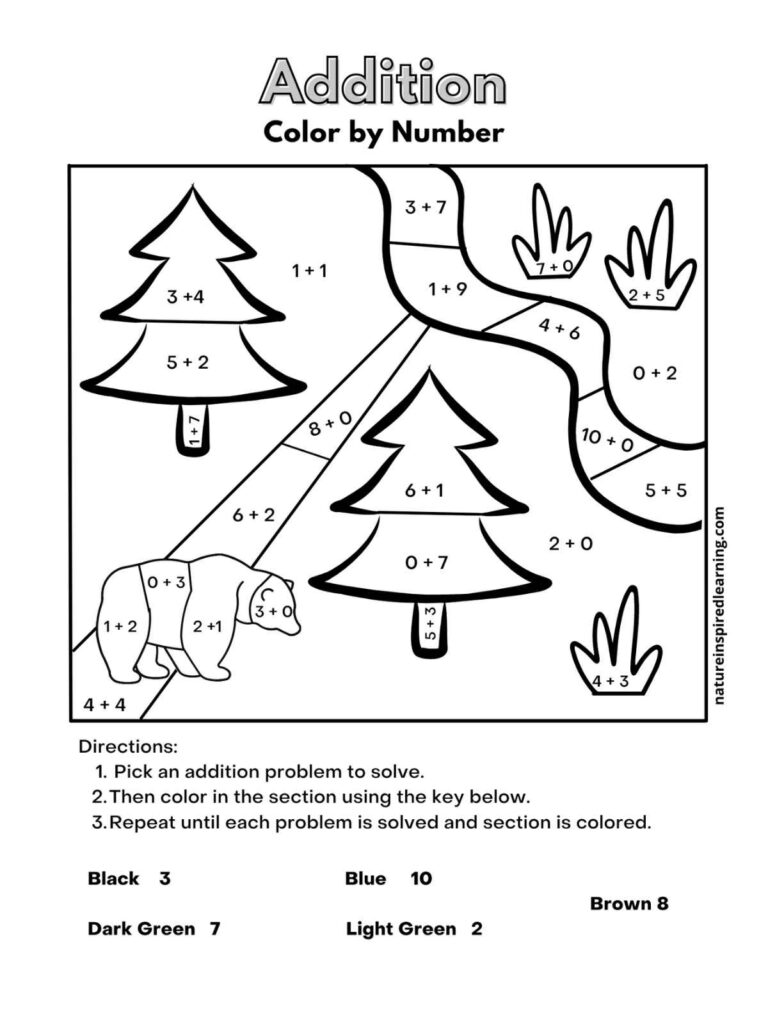
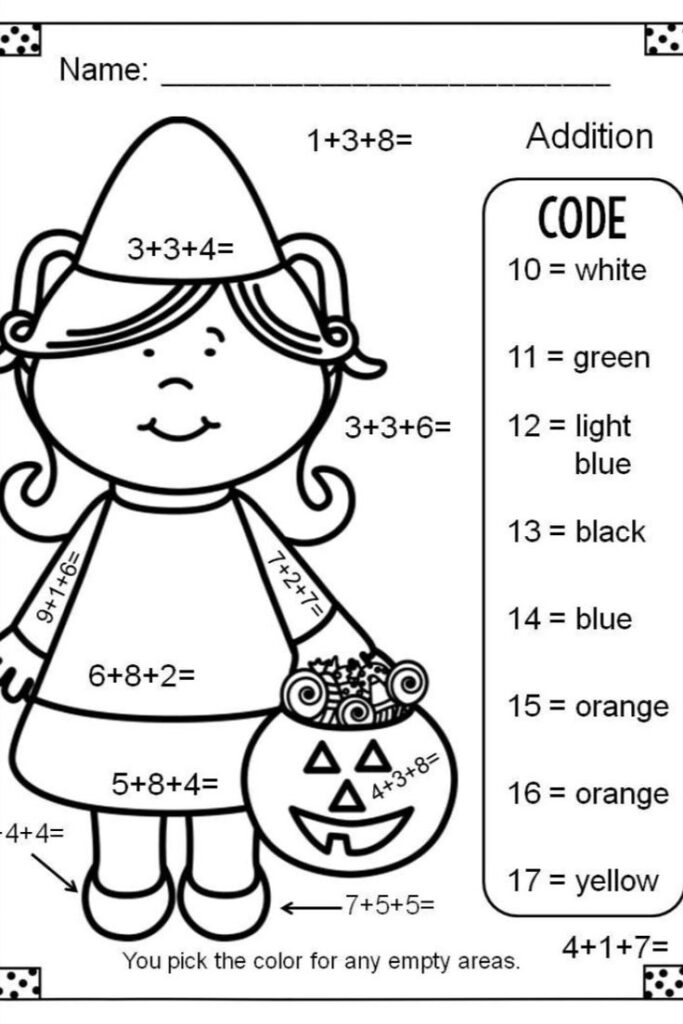
1st grade single digit addition color by code is a simple practice activity for young learners who are building confidence with basic facts. A child solves short addition equations, finds the matching code, and colors the picture accordingly. It is a straightforward way to practice number recognition, fact fluency, and careful following of directions in one printable or classroom task.
source: Nature Inspired Learning
source: Pinterest
What the Activity Includes
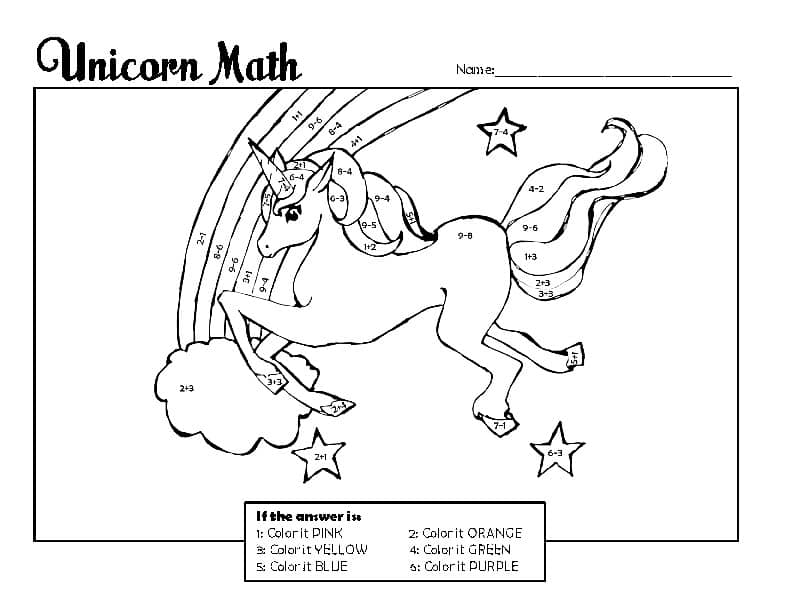
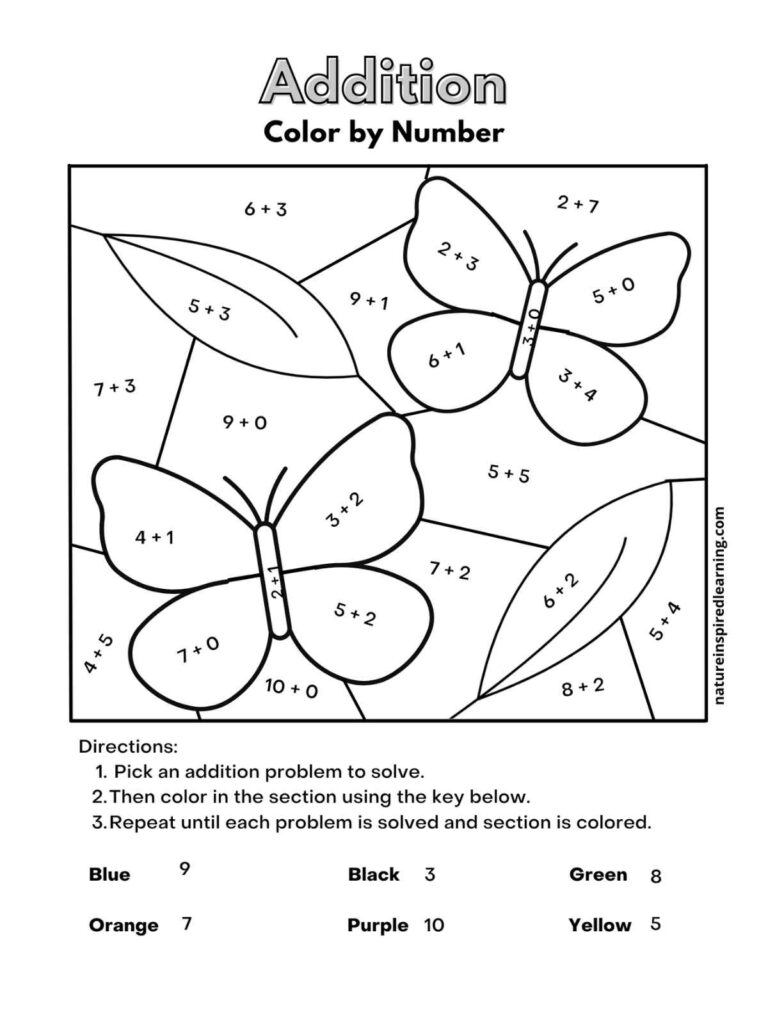
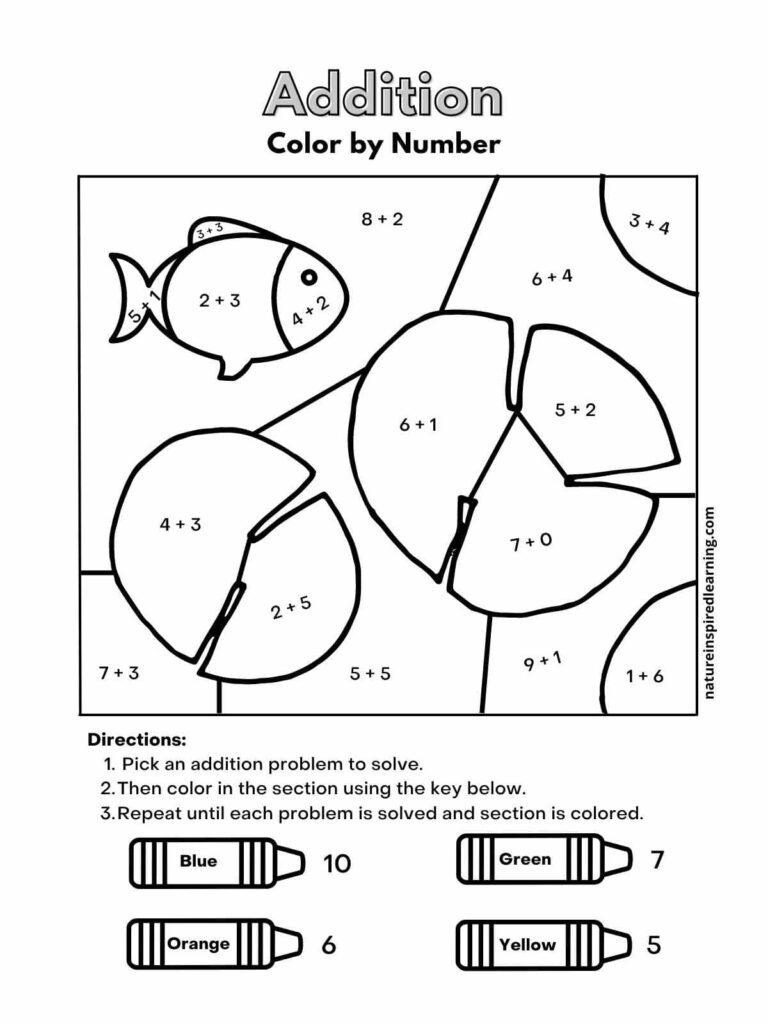
This type of resource usually gives first graders a picture divided into sections, with each section tied to a single-digit addition problem and a color code. The student solves each equation, matches the sum to the correct color, and fills in the space. Because the math stays within simple single-digit sums, the task remains age-appropriate and easy to understand. It works well as independent practice when students are ready to work quietly and check their own answers.
source: TPT
The main skill focus is solving addition facts accurately, not using advanced strategies or extra steps. Students practice adding numbers such as 2 + 3, 4 + 1, or 6 + 2 and then use the answer to guide their coloring. That makes the activity useful for reinforcing fluency while keeping the math visually engaging. In a first-grade setting, it can also help teachers spot whether children know their facts well enough to match them quickly and correctly.
Best Ways to Use It
source: Nature Inspired Learning
source: Nature Inspired Learning
A 1st grade single digit addition color by code page fits neatly into math centers, morning work, seatwork, or homework. It is especially helpful when students need a calm task that still requires attention to math detail. Teachers can also use it for fast finishers who need meaningful practice without introducing new content. Since the directions are simple, most first graders can complete it with minimal support after a short model or example.
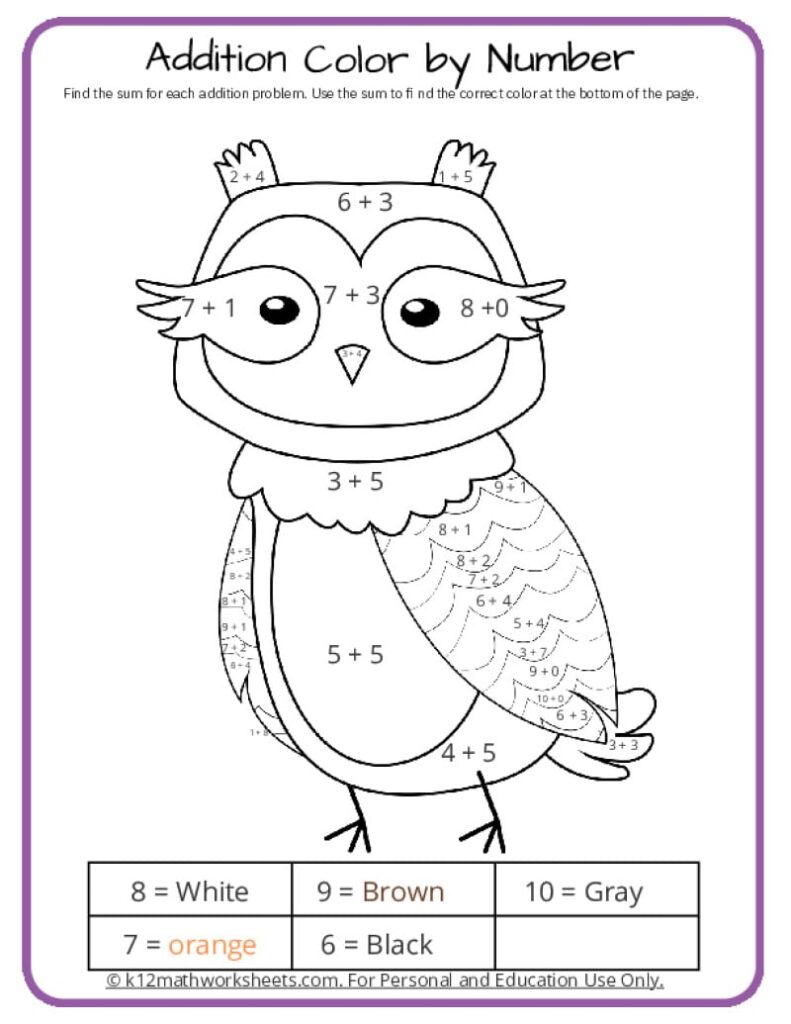
source: K12 Math Worksheets
For the best results, keep the problems limited to basic single-digit addition within first-grade expectations. The color key should be clear, and the sums should not require regrouping or mixed operations. If the resource is curriculum-specific, it should align with early addition fact practice rather than broader computation skills. Used this way, the activity gives children a fun, low-pressure chance to build accuracy and confidence while practicing the exact math skill they need.
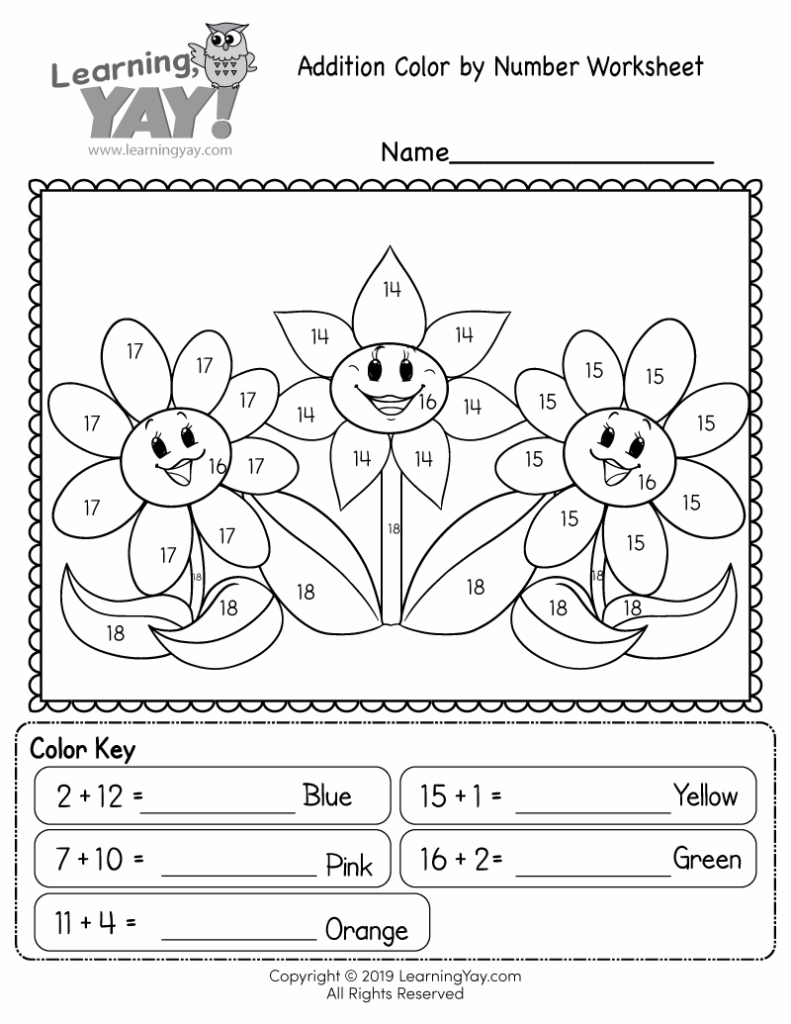
source: Learning, Yay!