Choosing An A5 Daily Planner That Fits Your Day
An A5 daily planner is a strong middle-ground size for people who want enough room to plan the day without carrying a bulky notebook. A5 generally offers a comfortable writing area while staying portable in a bag or desk setup. The best choice depends on how you plan, how much you write, and whether you prefer a fixed daily layout or a more flexible page structure.
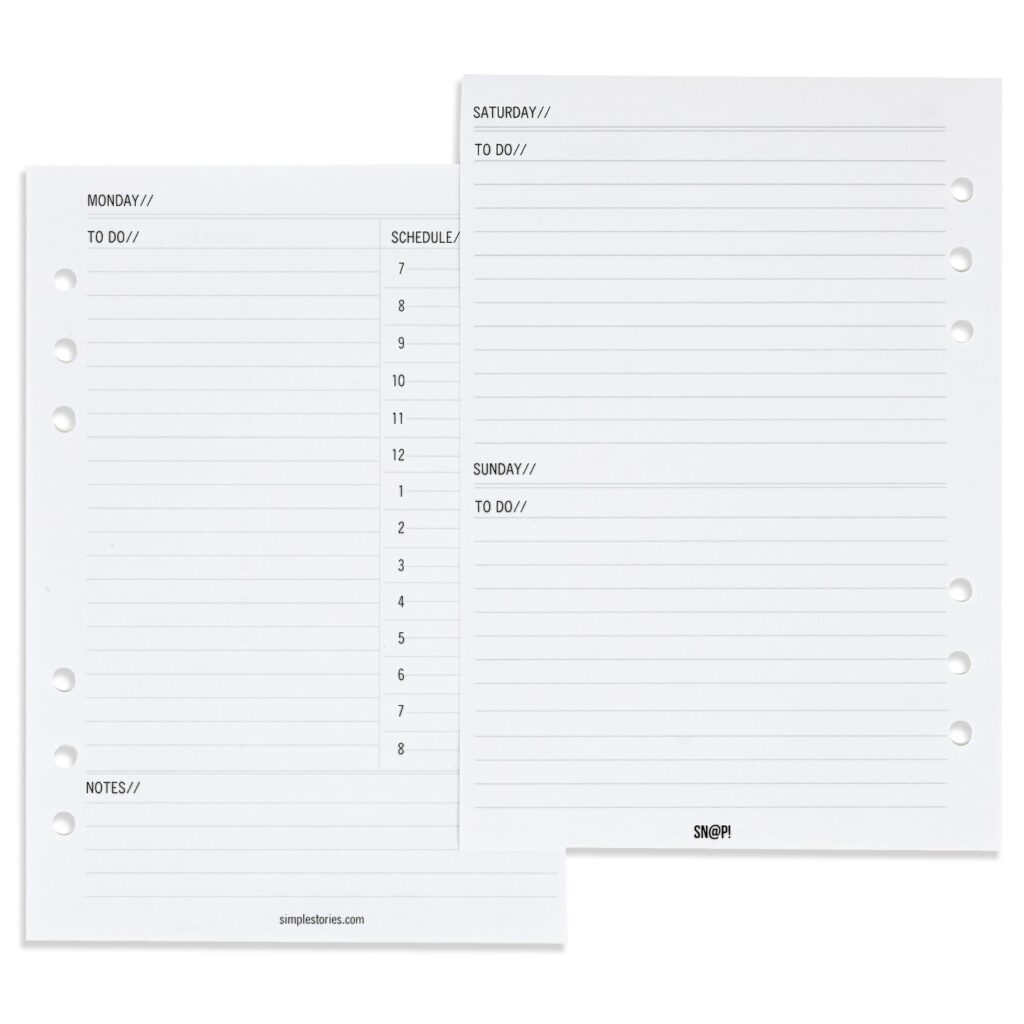
source: carpediemplanners.com
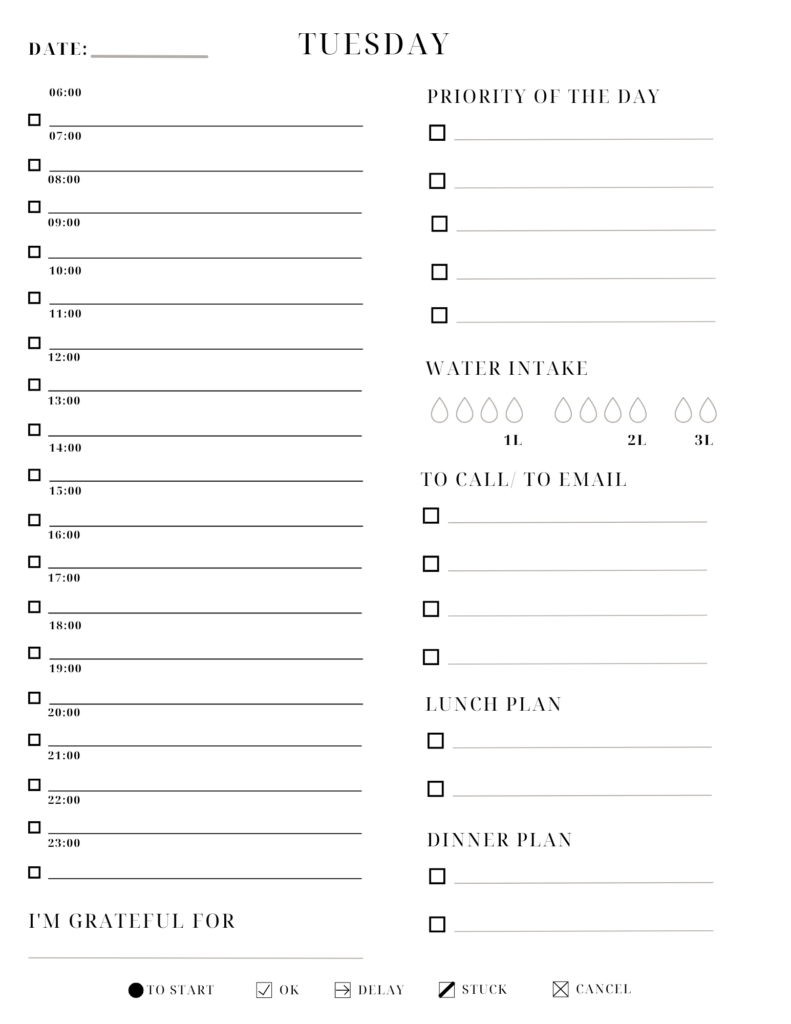
source: remarqcollective.com
A5 Size Basics
In planner use, A5 means a page size of about 148 by 210 mm, which is large enough for detailed daily notes but still compact enough for everyday carry. That balance is why the format is so popular for daily planning. It gives room for appointments, tasks, and short notes without demanding the desk space of larger planners. If you move between home, work, and meetings, A5 often feels practical rather than oversized.
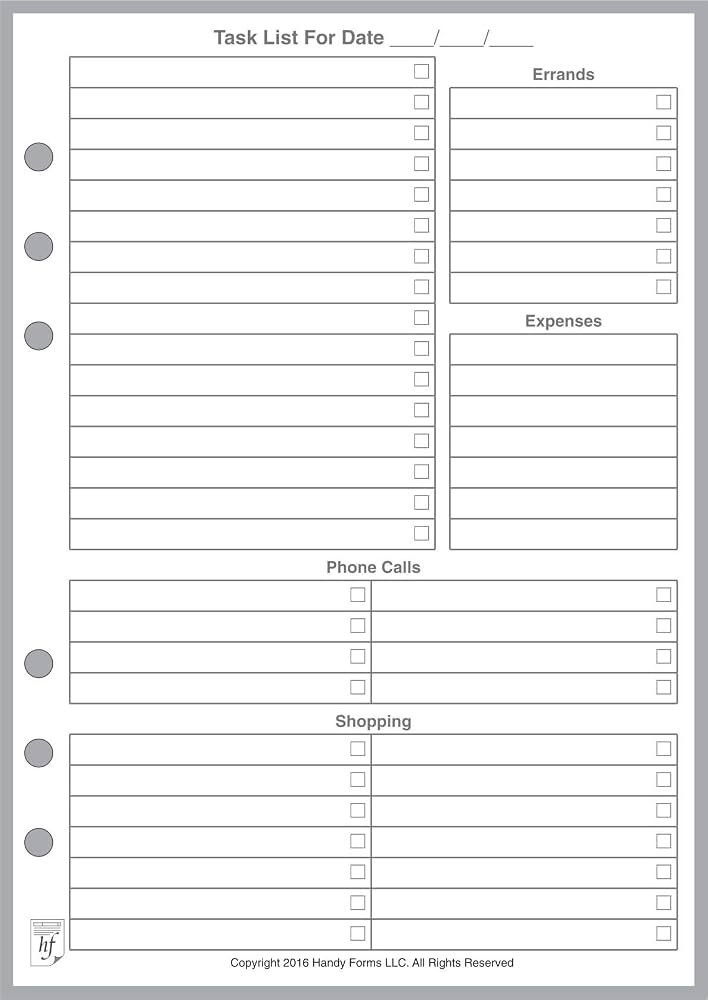
source: www.amazon.com
The layout matters just as much as the size. Dated daily planners work well when you want each day already prepared, while undated versions suit people who miss days or prefer to start anytime. Hourly pages help if your schedule is appointment-heavy, but task-based pages are better when your day is driven by priorities and to-dos. Some A5 daily planner layouts combine both, giving structure without forcing a single planning style.
What to Compare
Portability and writing space usually trade off against each other, so think about where the planner will live most of the time. If you carry it daily, a slimmer format may be easier to manage. If you write a lot, look for wider margins, enough line spacing, and a layout that does not crowd the page. Paper quality also matters: thicker paper can reduce bleed-through, especially if you use gel pens or markers, while smoother paper can make writing feel cleaner.
Binding and format can change how the planner feels in use. Spiral and coil bindings lay flat easily, while stitched or case-bound books can look neater but may not open as freely. If the planner uses inserts, discs, or rings, check compatibility before buying so pages, dividers, or refills fit correctly. For the best result, choose the A5 daily planner format that matches your writing habits first, then narrow by paper, binding, and portability.