11th Grade Spelling Words For Advanced Practice
11th grade spelling words should challenge students with advanced vocabulary, academic language, and spellings that are less common in everyday writing. A strong list for this level usually includes words students may meet in essays, literature, science, and history. The best approach is to choose words that are accurate for upper high school practice and useful for review, whether the list is for study, quizzes, or class assignments.
Academic Vocabulary
source: Docsity
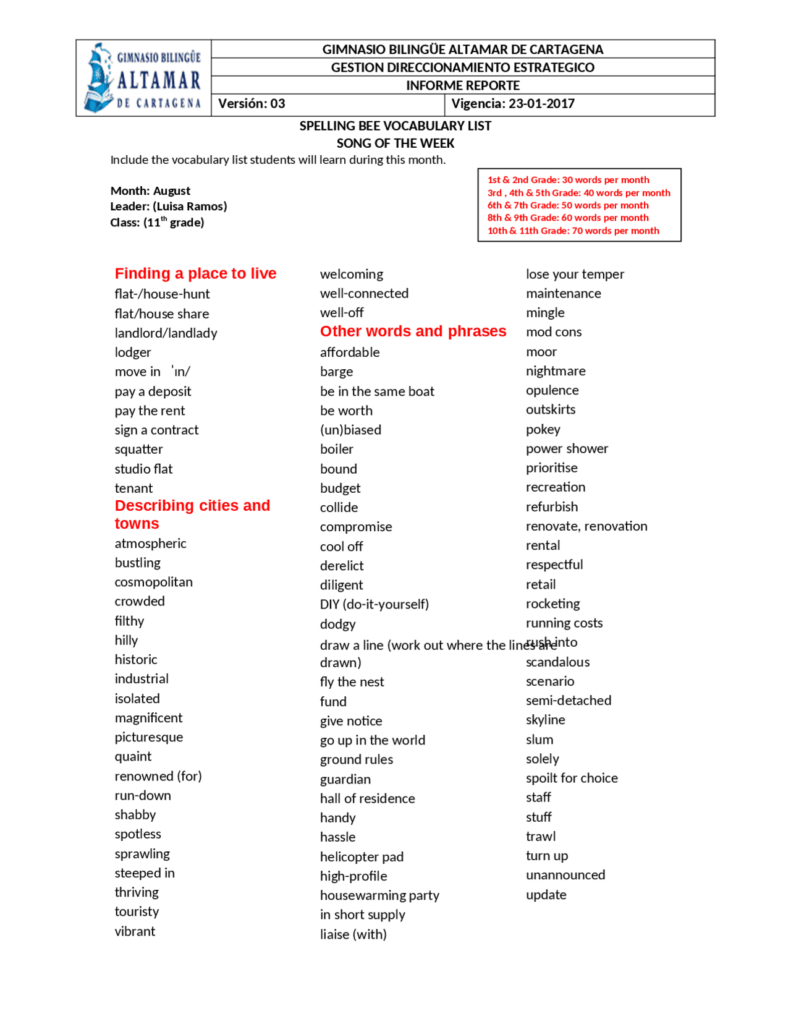
These 11th grade spelling words fit upper high school work because they appear in formal writing and content-area reading. Examples include hypothesis, interpretation, precedent, analysis, phenomenon, corroborate, ambiguous, and meticulous. They are useful because students often know the meanings before they can spell them confidently. A focused list like this gives practice with syllables, silent letters, and word endings that can cause mistakes in essays, notes, and timed tests.
A good 11th grade spelling list can also include words with tricky patterns, prefixes, and roots that support advanced spelling practice. Examples include miscellaneous, acquaintanceship, entrepreneur, maintenance, questionnaire, accountability, indispensable, and conscientious. These words are appropriate because they reflect the kind of vocabulary older students are expected to manage in academic settings. They also help students review pronunciation-to-spelling connections, especially when the word sounds simpler than it looks on paper.
Study List
For review, a numbered word list works well because it keeps practice simple and organized. Students can read the word, cover it, spell it from memory, and then check for missed letters or patterns. A teacher might assign ten to twenty words at a time, focusing on words that are long, irregular, or commonly misspelled. Mixing academic terms with harder everyday words helps the list stay realistic for 11th grade spelling work.
When choosing 11th grade spelling words, aim for words that match advanced reading and writing expectations without becoming obscure. The goal is to stretch students with vocabulary that looks professional, precise, and occasionally unfamiliar. For the best results, rotate the list by unit or theme and revisit missed words later. That keeps practice focused and gives students repeated exposure to the spellings they are most likely to need in upper high school classes.