3rd Grade Addition Riddles For Quick Practice
3rd grade addition riddles are a fun way to build math confidence without making practice feel like a quiz. The best ones are short, easy to read, and use addition facts children already know or can solve with a little thinking. A good set should feel playful, but still give clear practice with sums, counting on, and simple two-step problems.
Easy riddle examples
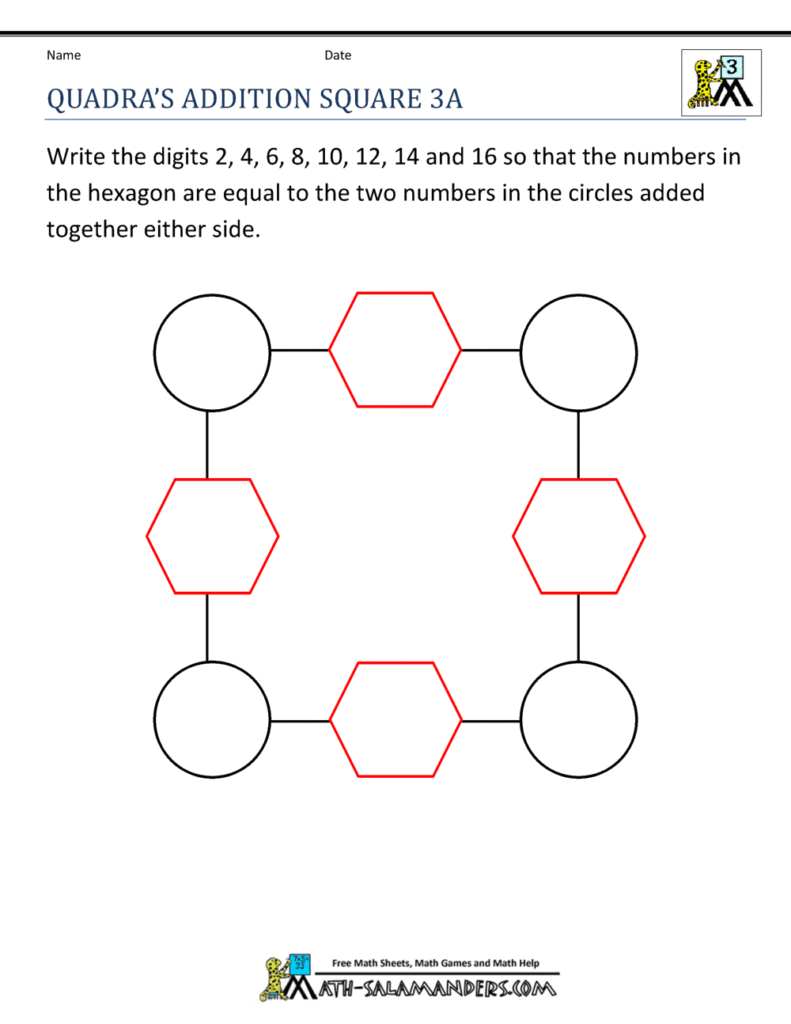
source: Math Salamanders
Here are a few kid-friendly riddles for third graders: I am a number greater than 10. If you add 4 and 5, you get me. What am I? Answer: 9 is not greater than 10, so try a different clue for classroom use. A better one is: I am the sum of 7 and 8. What am I? Answer: 15. Another: I have 2 tens and 6 ones. What number am I? Answer: 26. These keep the math simple and clear.
Riddles with a little thinking
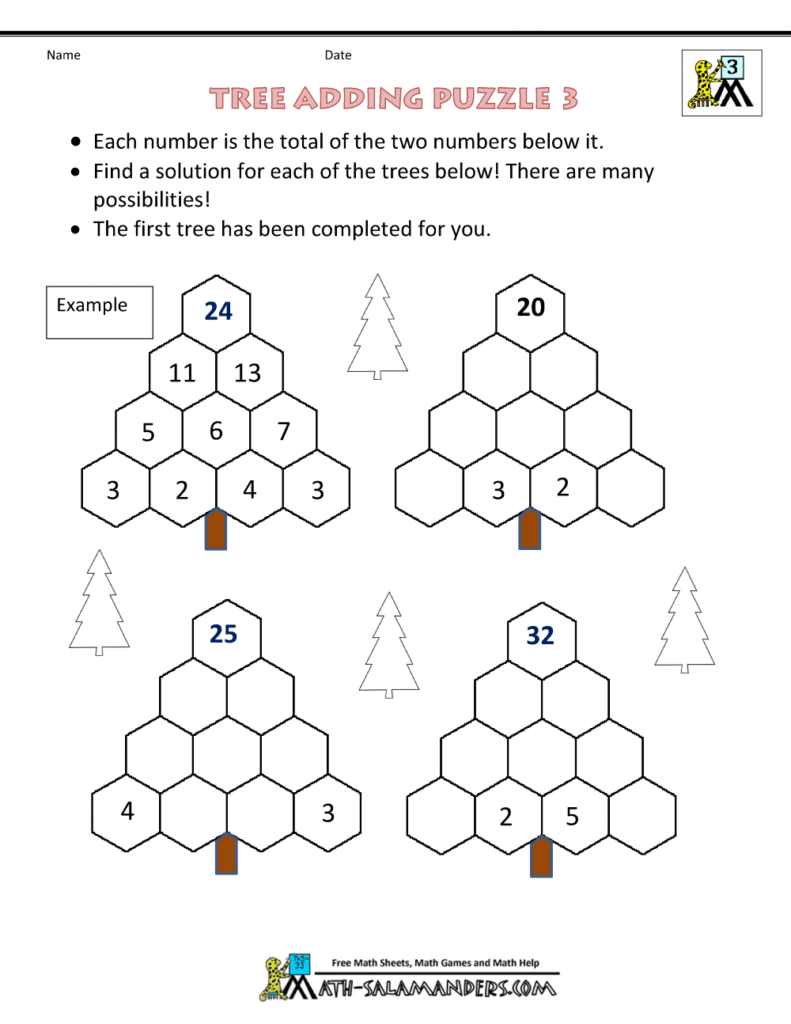
source: Math Salamanders
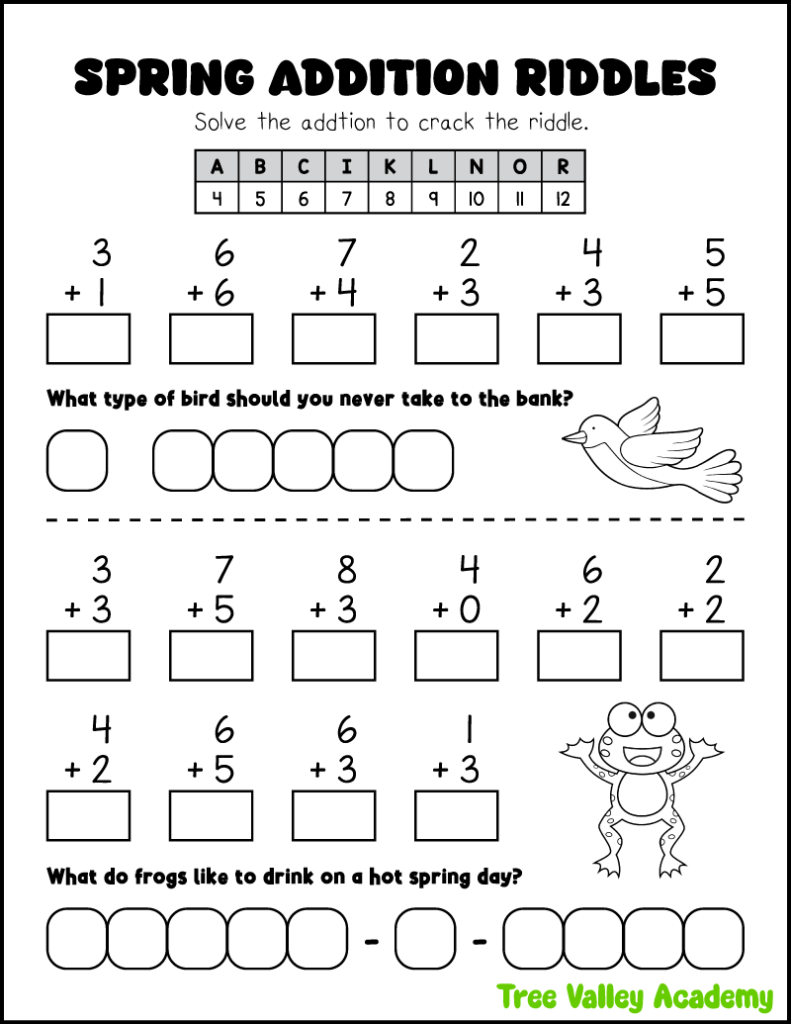
source: Tree Valley Academy
Some addition riddles can include one extra step, as long as they stay manageable for third grade. For example: Mia has 6 apples. She gets 3 more, then 2 more. How many apples does she have now? Answer: 11. Or: Ben found 8 marbles and his friend gave him 4 more. Then he found 1 more in his desk. How many marbles altogether? Answer: 13. These problems support mental math and help children follow short number stories.
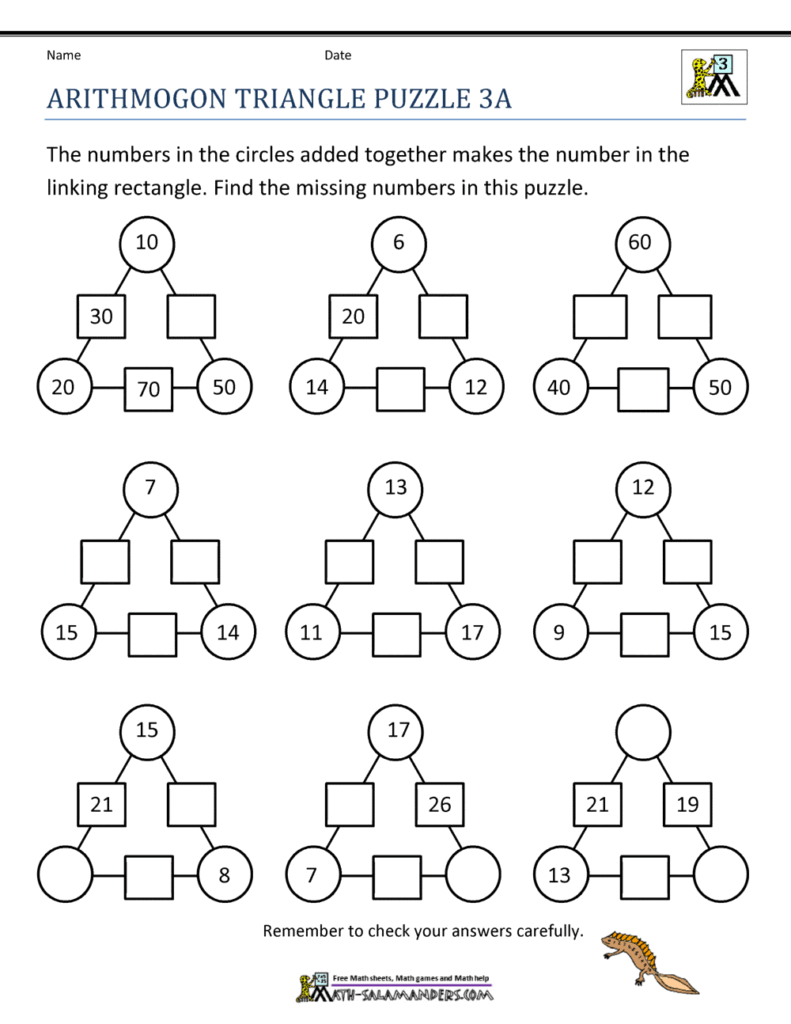
source: Math Salamanders
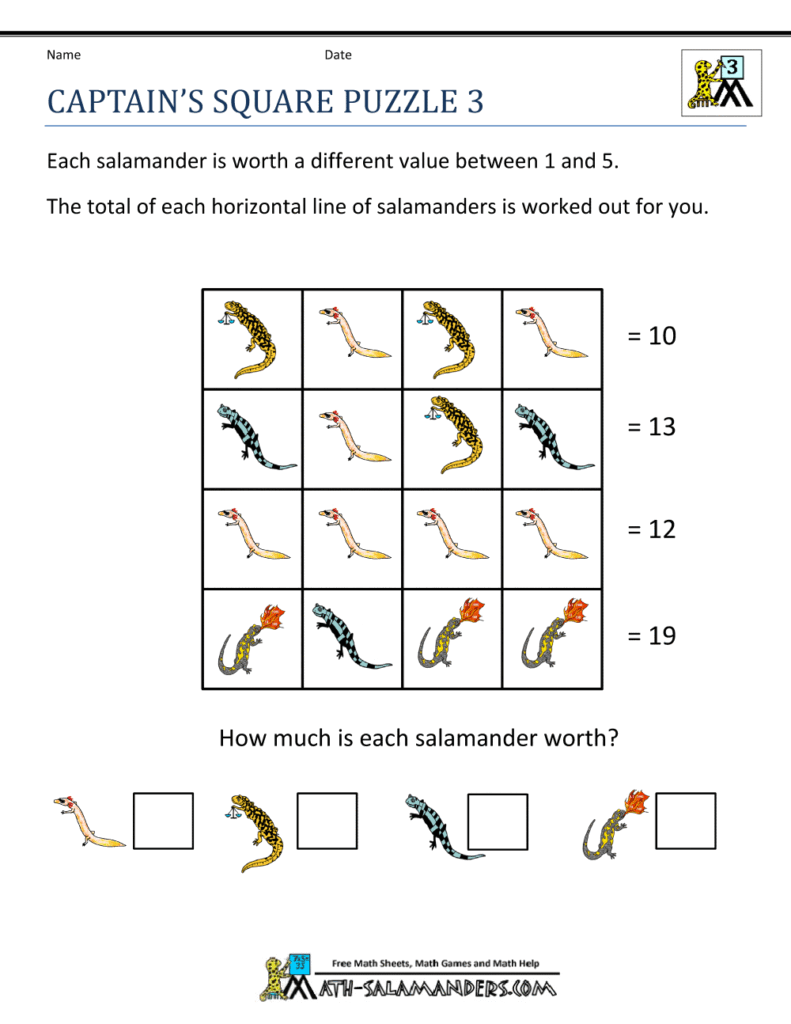
source: Math Salamanders
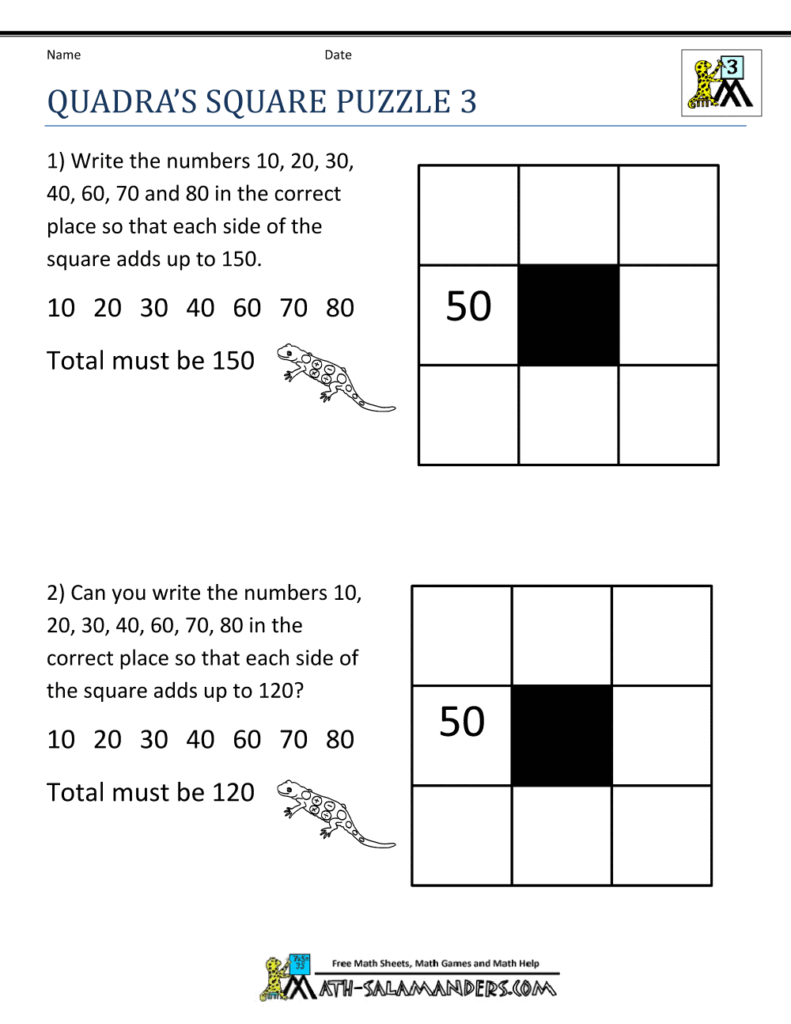
source: Math Salamanders
To use 3rd grade addition riddles well, read each one aloud first and ask children to explain how they know the answer. That helps them practice both math facts and reasoning. You can also let students solve one riddle, then make up a new one using the same sum. Keep the numbers small enough that the focus stays on addition, not on tricky wording. A short set used often works better than a long list used once.
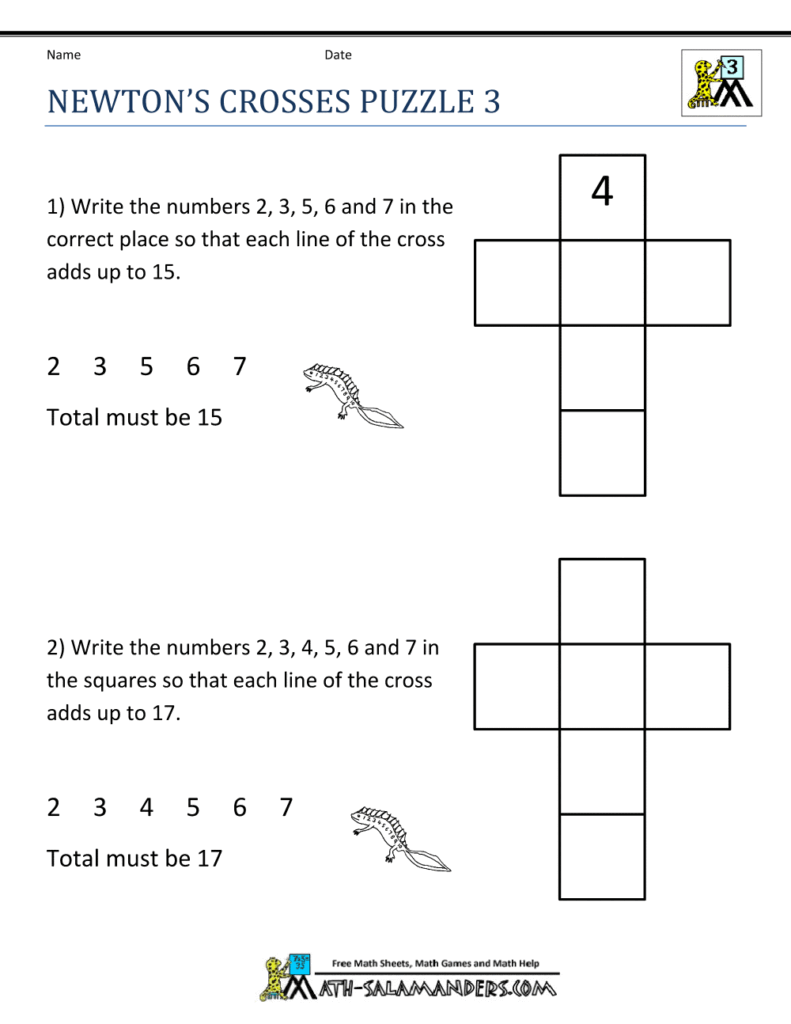
source: Math Salamanders