Math You See Worksheets For Visual Practice
Math you see worksheets are picture-based practice pages that turn visible objects into math questions. Instead of only reading numbers, children count, compare, add, subtract, or spot patterns by looking at images on the page. That makes them useful for quick practice, homework support, and early math reinforcement because the task is concrete, easy to follow, and tied to what the learner can actually see.
source: www.liveworksheets.com
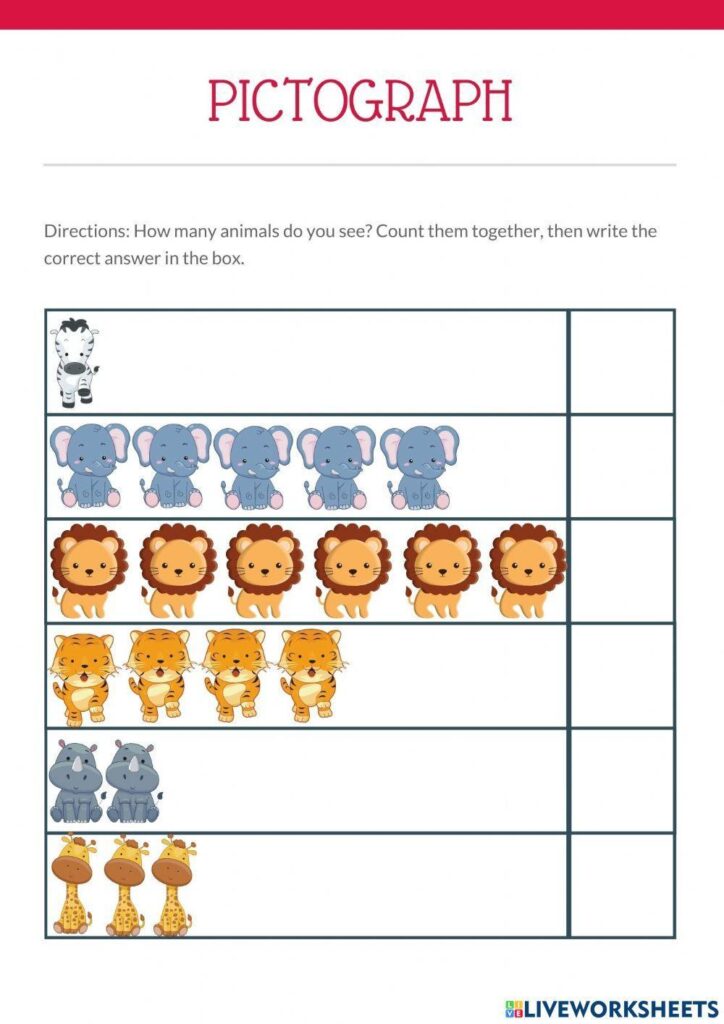
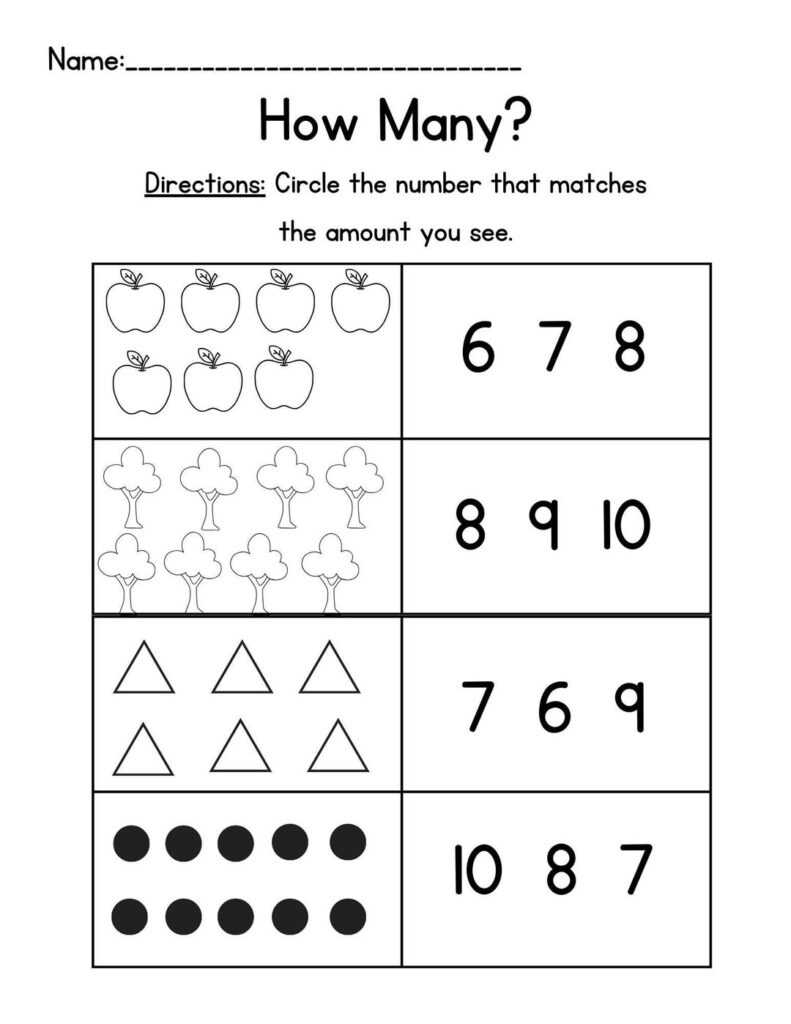
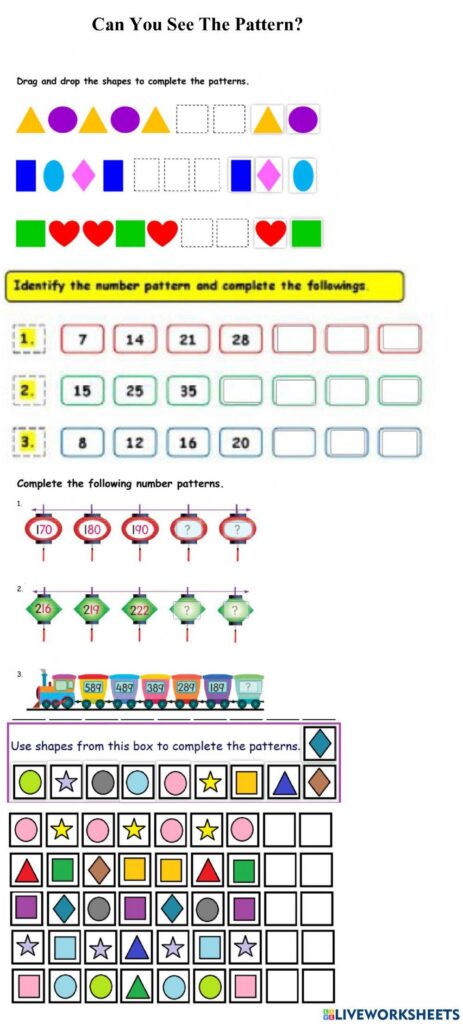
These worksheets usually support early number skills. A child may count apples, recognize groups of dots, match numerals to pictures, or solve simple addition and subtraction by using the objects shown. Some pages also build patterning, one-to-one correspondence, and basic comparison skills like more, fewer, or equal. Because the math is visible, the worksheet helps learners connect a symbol or number sentence to a real quantity, which is especially helpful for beginners.
How They Work
source: www.etsy.com
source: www.canva.com
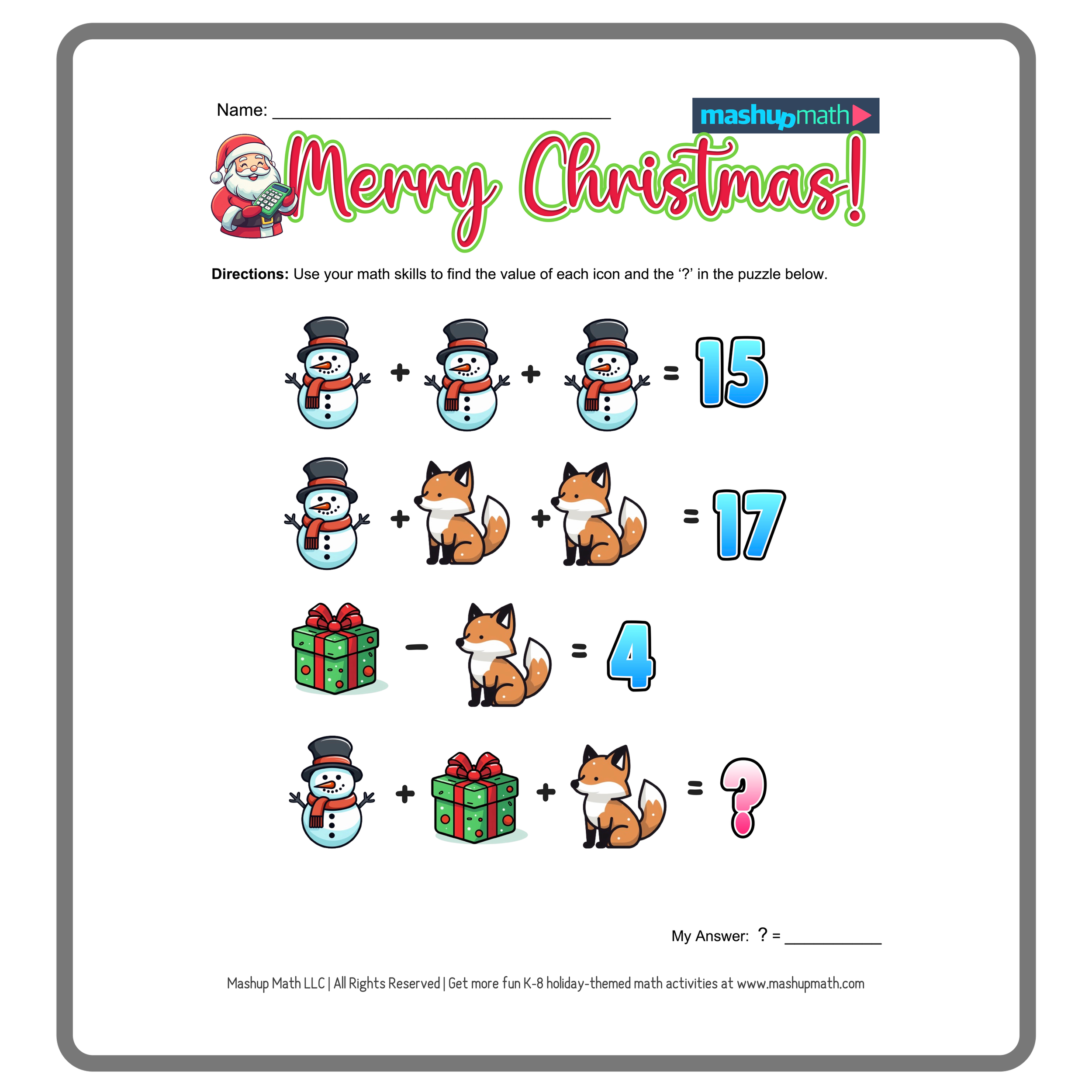
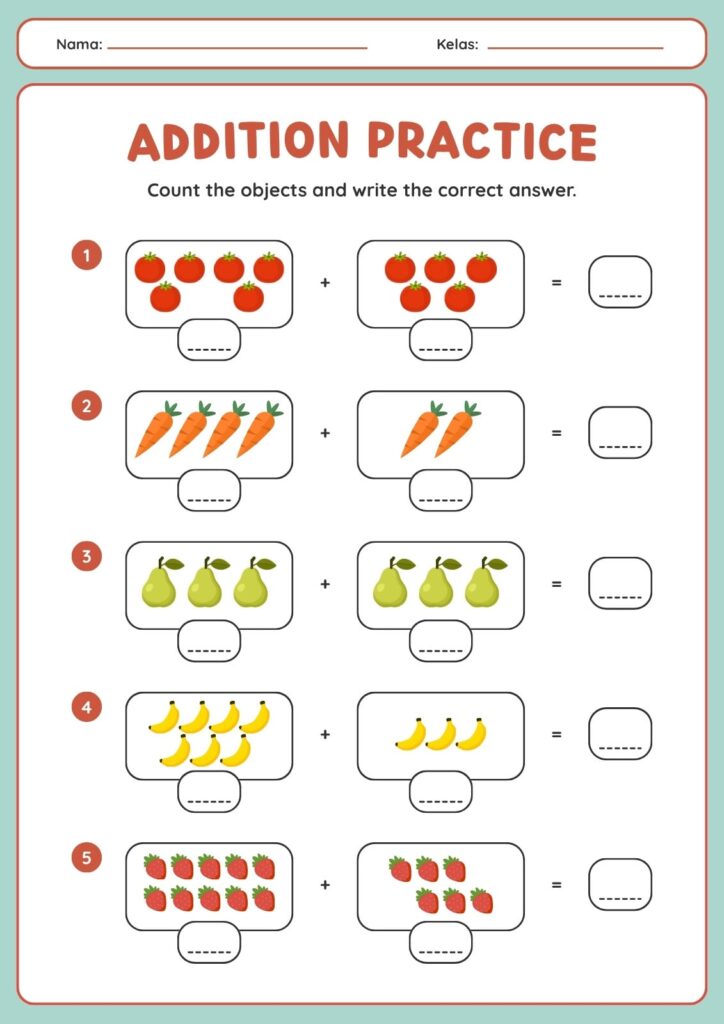
In practice, the learner looks at the picture and completes the related math task. For example, a row of stars might be used to count, or two groups of animals might be used for an addition problem. The worksheet may ask the child to circle the answer, write a number, draw objects, or cross out items for subtraction. This format works well for short review sessions because the visual cue guides the student without needing a long explanation.
source: www.liveworksheets.com
Choosing the Right Page
A good math you see worksheet matches the learner’s level and keeps the directions easy to understand. Pictures should be clear, uncluttered, and large enough to count without confusion. The page should use age-appropriate themes and only one main skill at a time, especially for younger children. Visible instructions matter too: a learner should know whether to count, add, subtract, or match without guessing. If the page is too crowded or too advanced, it becomes harder to focus on the math.
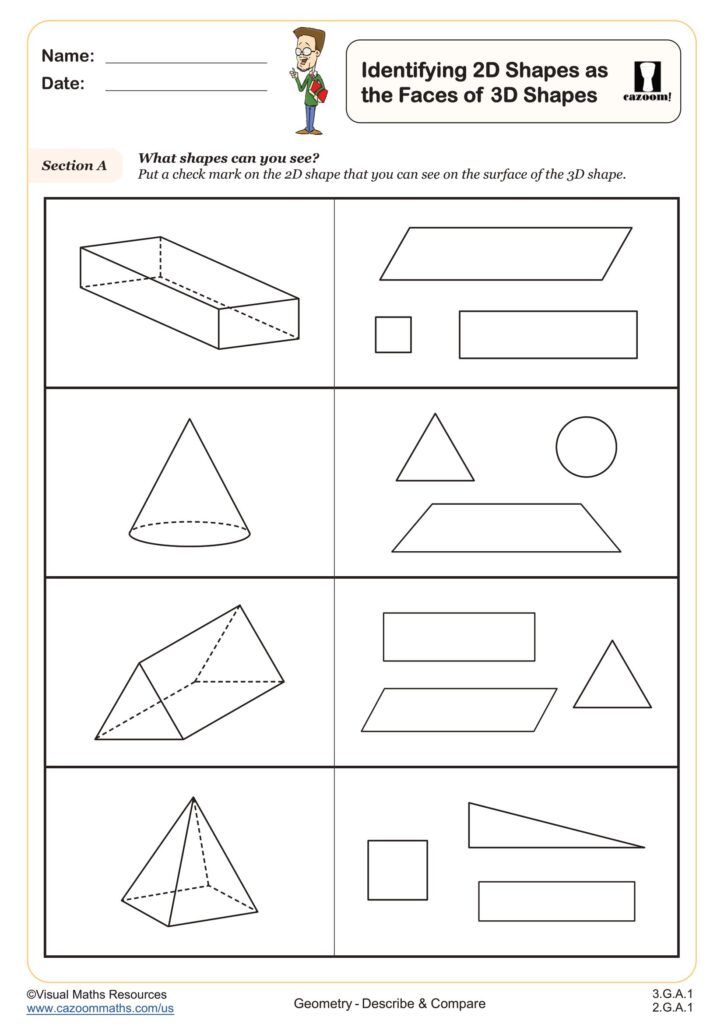
source: www.cazoommaths.com
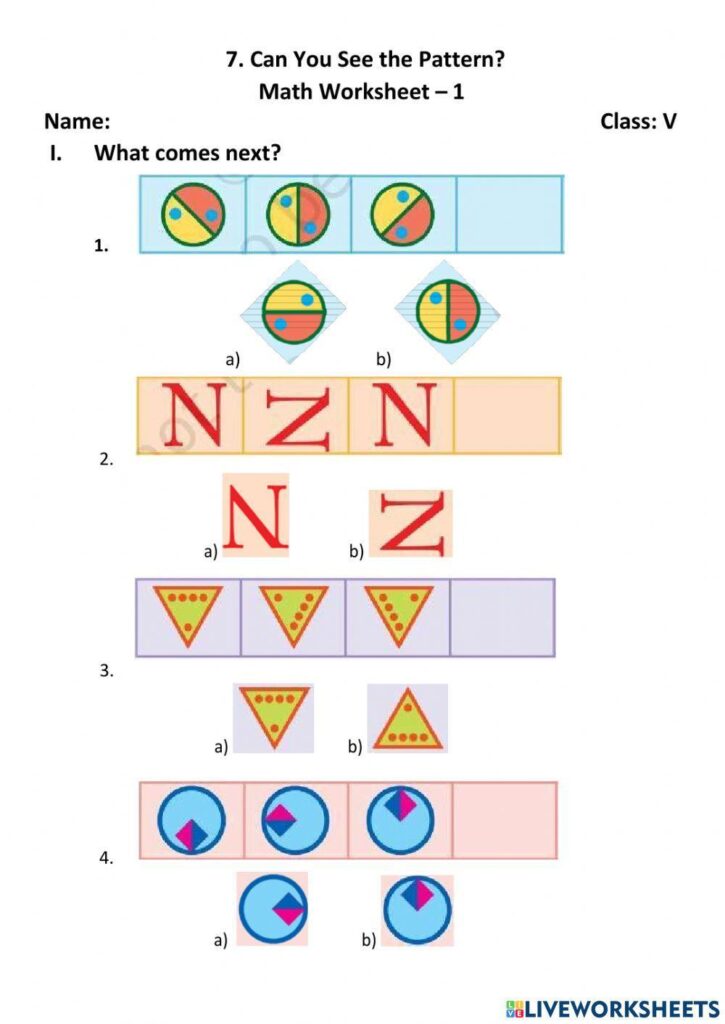
source: www.liveworksheets.com
Used well, these worksheets offer simple visual practice that can fit into a few minutes a day. They are most effective when the images clearly support the math task and the skill level stays appropriate for the learner. For quick homework help or extra review, choose pages that are easy to read, directly tied to one math goal, and simple enough that the picture does most of the teaching. That keeps the practice useful, not overwhelming.
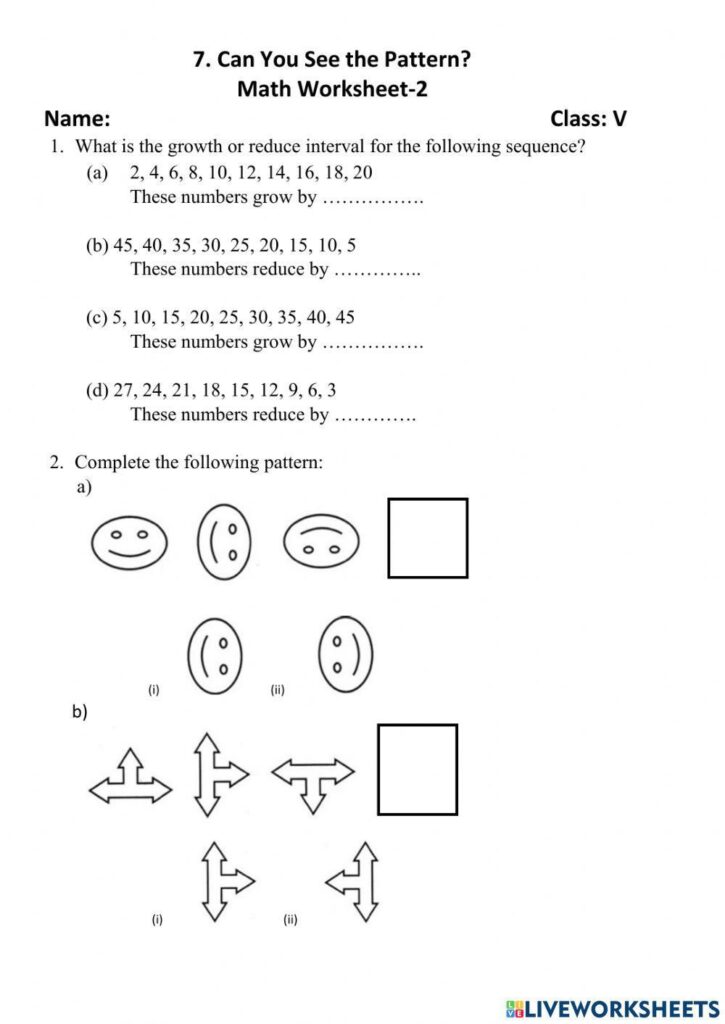
source: www.liveworksheets.com