Monarch butterflies are famous for doing several extraordinary things at once: traveling long distances, transforming through a dramatic life cycle, and relying on milkweed to survive. Their bright orange-and-black wings are more than eye-catching; they signal a chemical defense that helps keep predators away. These facts make monarchs one of the most distinctive butterflies in North America and beyond.
Migration and travel
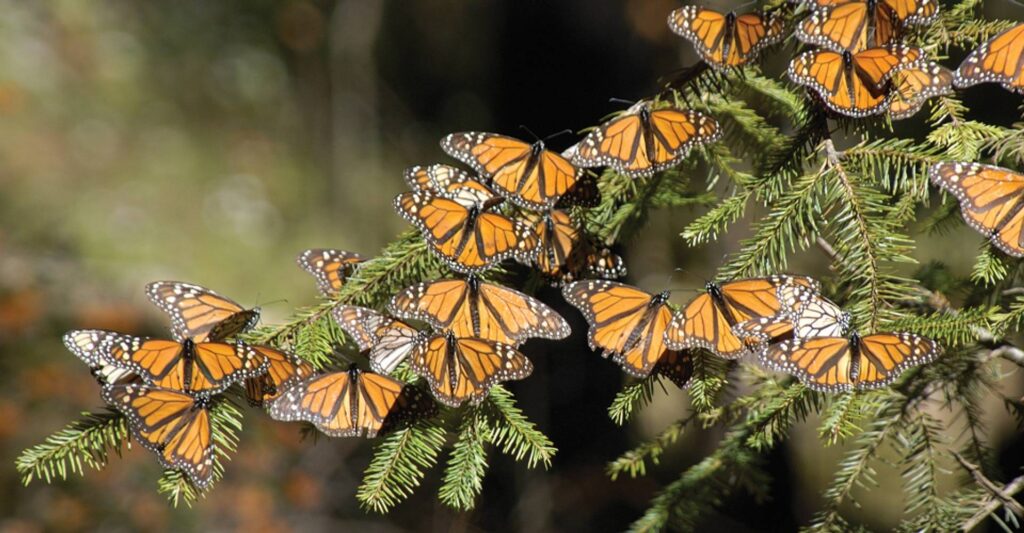
One of the most interesting facts about monarch butterflies is their seasonal migration. In North America, eastern monarchs can travel thousands of miles to overwintering sites in central Mexico, while western populations generally head to coastal California. No single butterfly completes the full round trip; the journey spans multiple generations. The late-summer “super generation” lives longer than summer adults and helps carry the migration south. Their routes are guided by environmental cues, including day length and temperature.

source: monarchbutterflies.ca
source: www.nathab.com
source: www.studocu.com
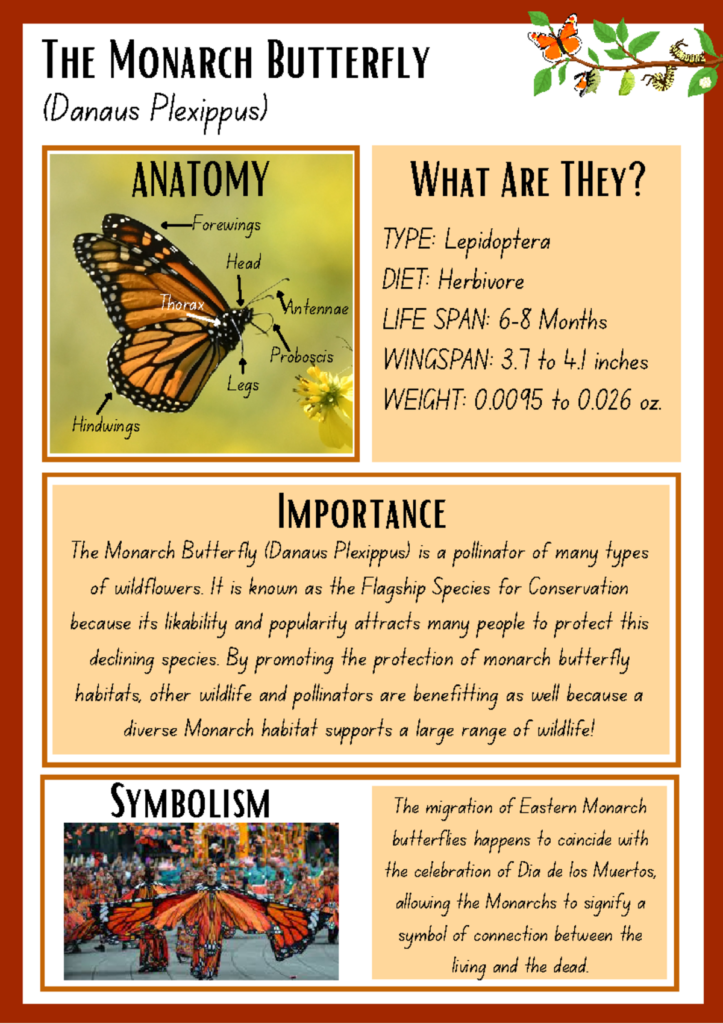
Monarchs also stand out for their life cycle. They begin as tiny eggs laid on milkweed, hatch into striped caterpillars, then form a chrysalis where metamorphosis takes place. Inside that protective case, the caterpillar’s body is reorganized into an adult butterfly. Depending on the season, the adult stage may last only a few weeks, or much longer in the migratory generation. This dramatic transformation is one reason monarchs are such a favorite example of insect development.
Milkweed and defense

source: kids.nationalgeographic.com
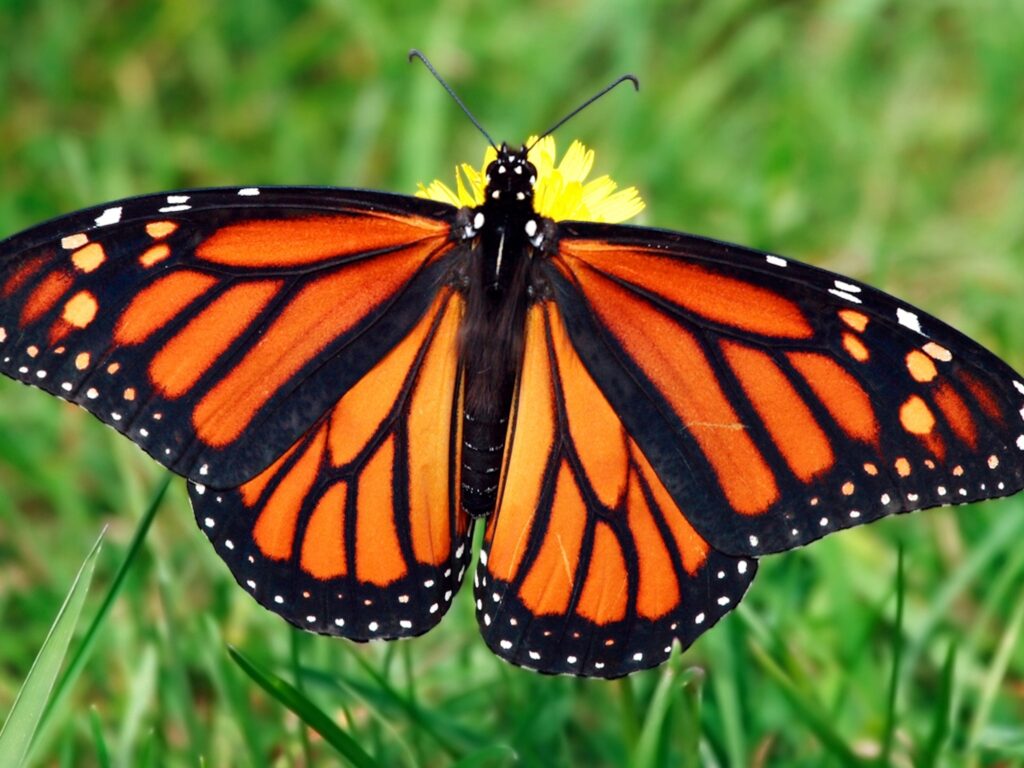
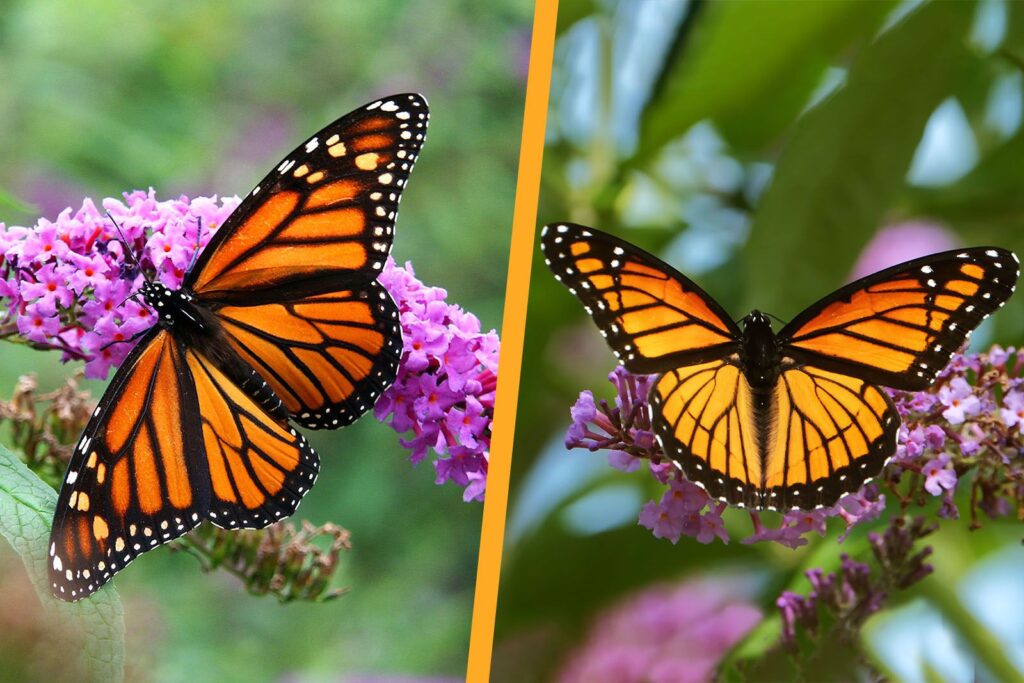
Monarch caterpillars depend on milkweed because it is their host plant and their food source. The leaves contain compounds called cardenolides, which monarchs can tolerate but many other animals cannot. By feeding on milkweed, monarchs store those chemicals in their bodies, making them distasteful or even toxic to many predators. That is why their orange-and-black coloring works as aposematism, or warning coloration. Birds and other hunters learn to associate the bright pattern with an unpleasant meal.
source: kids.nationalgeographic.com

source: www.britannica.com
A few more details make monarchs especially memorable. Adults sip nectar from flowers and help pollinate them while moving from plant to plant. Their exact lifespan can vary widely, with non-migratory adults often living only a few weeks and migratory adults lasting several months. Monarchs are also sensitive to habitat loss because they need both milkweed for caterpillars and nectar plants for adults. If you want one takeaway, it is this: monarchs are remarkable because their survival depends on a tightly linked chain of plants, seasons, and migration.
source: www.britannica.com