Colouring Pages Of Alphabet Letters For Early Learning
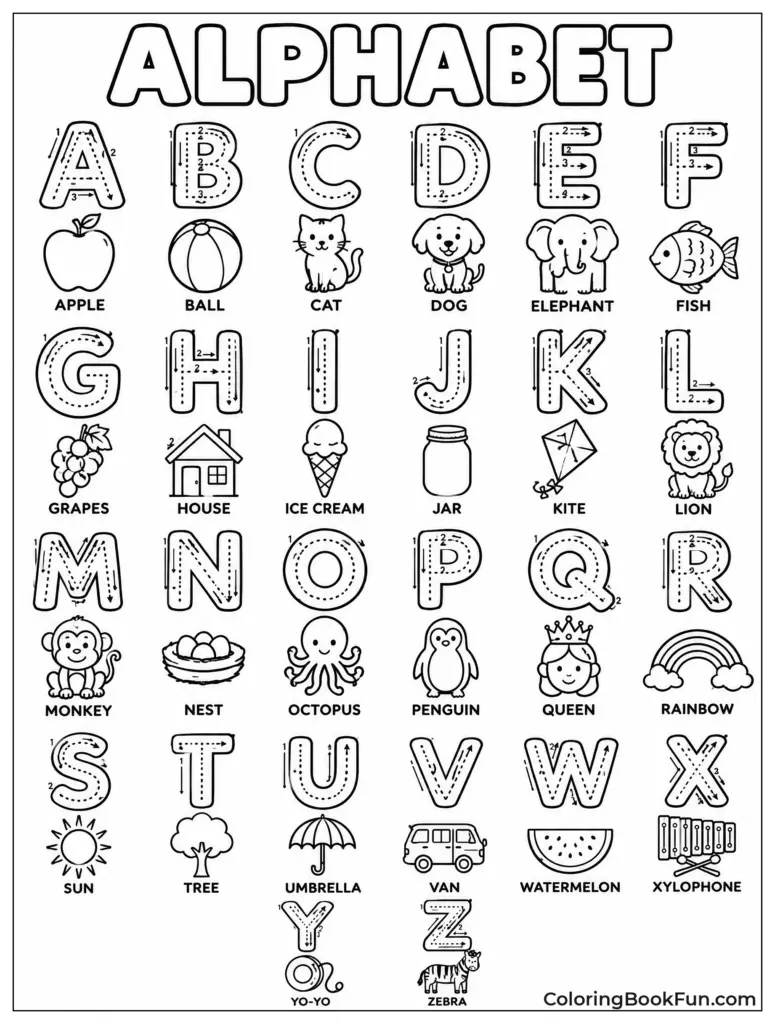
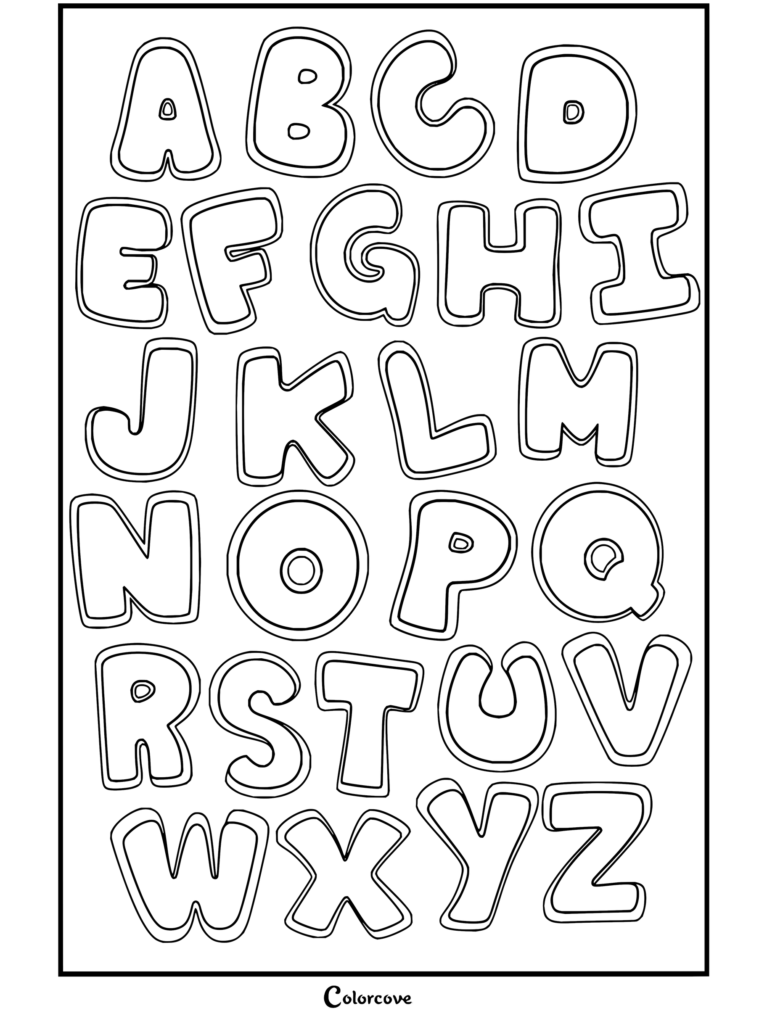
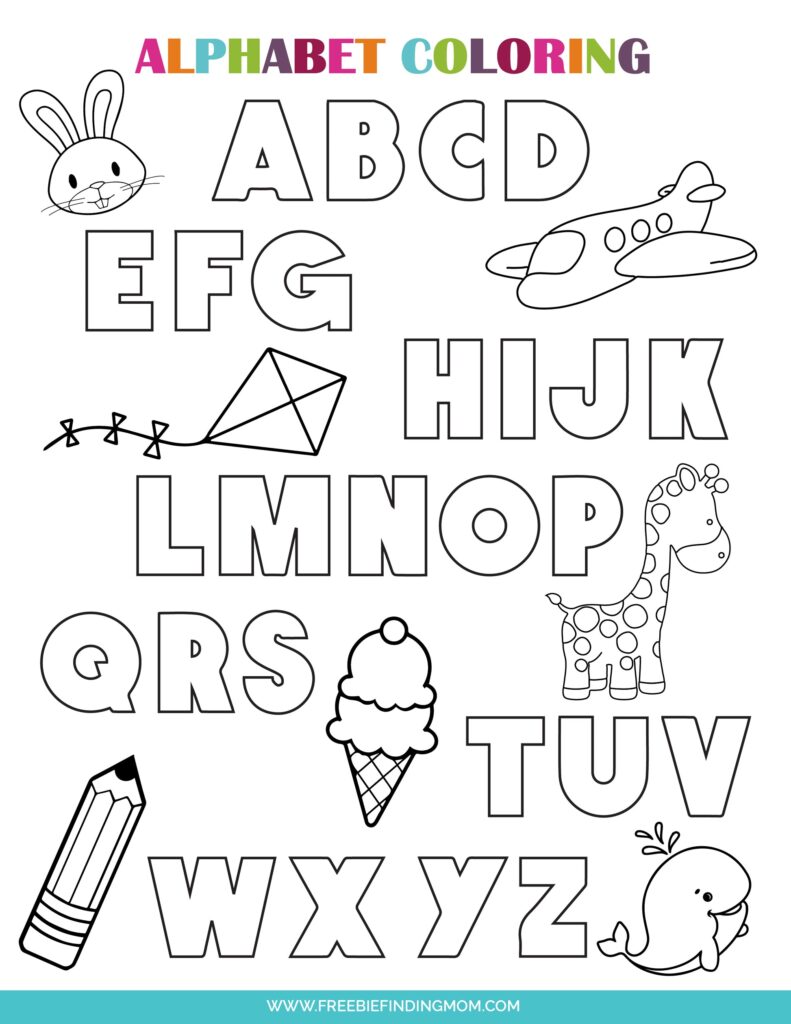
Colouring pages of alphabet letters are simple printables built around one letter at a time. They usually show a large uppercase or lowercase letter, sometimes both, with a clean outline that children can colour in. Many pages also add a small related picture, such as an apple for A or a ball for B, to make the letter easier to remember while keeping the activity quick and approachable.
What They Usually Include
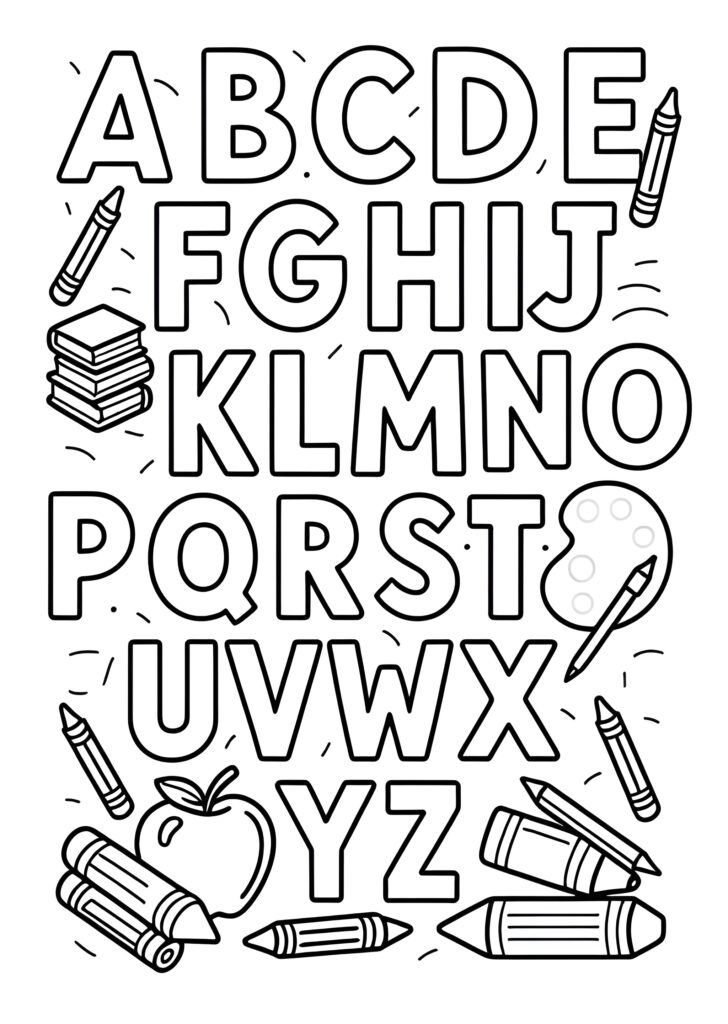
Most alphabet letter colouring pages are designed to be clear and uncluttered. A page may feature a single bold letter, a matching pair of uppercase and lowercase forms, or a letter with a simple illustration that begins with that sound. This format works well because the letter stays central and easy to notice. For young children, the best pages have thick outlines and plenty of open space, so the colouring task supports recognition rather than distracting from it.
source: coloringbookfun.com
source: suncatcherstudio.com
source: mimi-panda.com
These pages can support early literacy in a gentle, hands-on way. While a child colours, they see the shape of each letter repeatedly, which helps build familiarity and letter recognition. The activity also gives fine-motor practice as children hold crayons, stay within lines, and control hand movement. That makes colouring pages useful for preschoolers, kindergarten learners, and any child who needs more low-pressure practice with letters before moving on to writing them.
Choosing the Right Page
source: suncatcherstudio.com
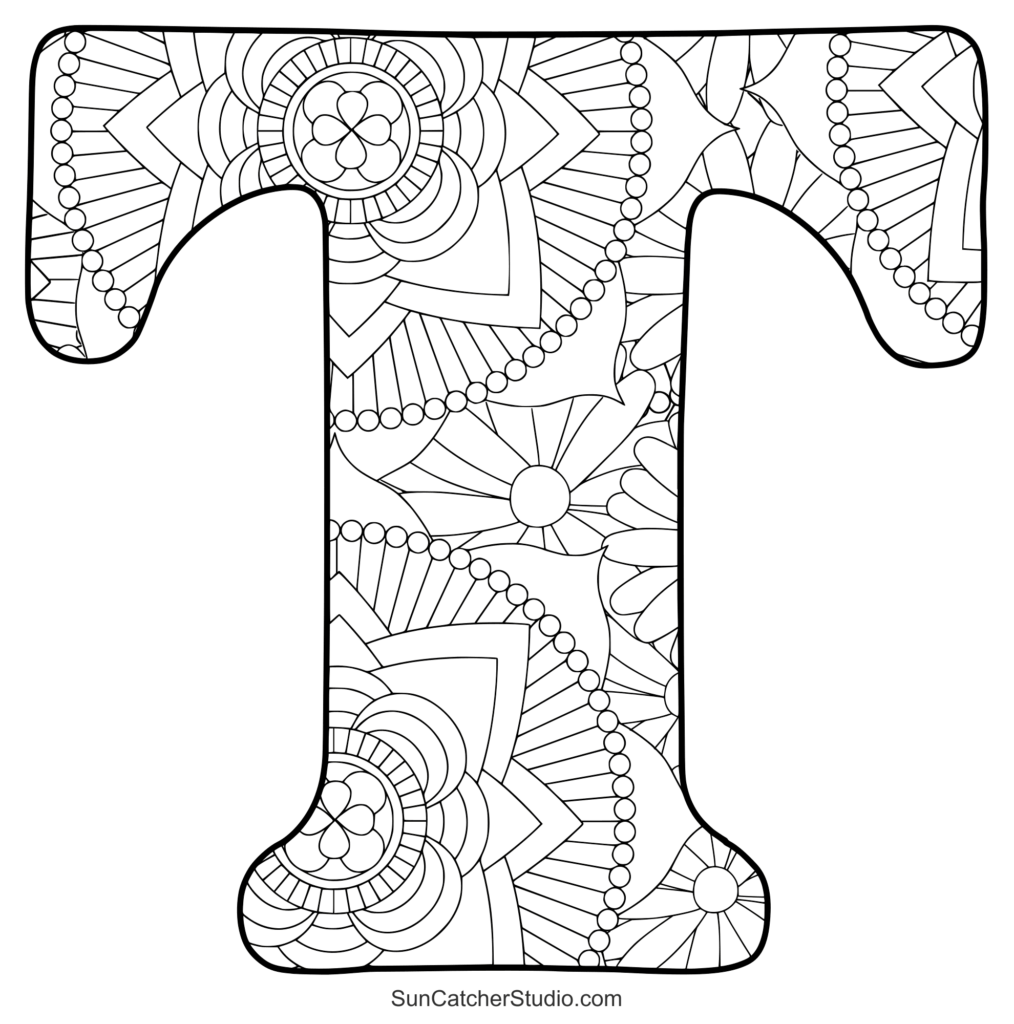
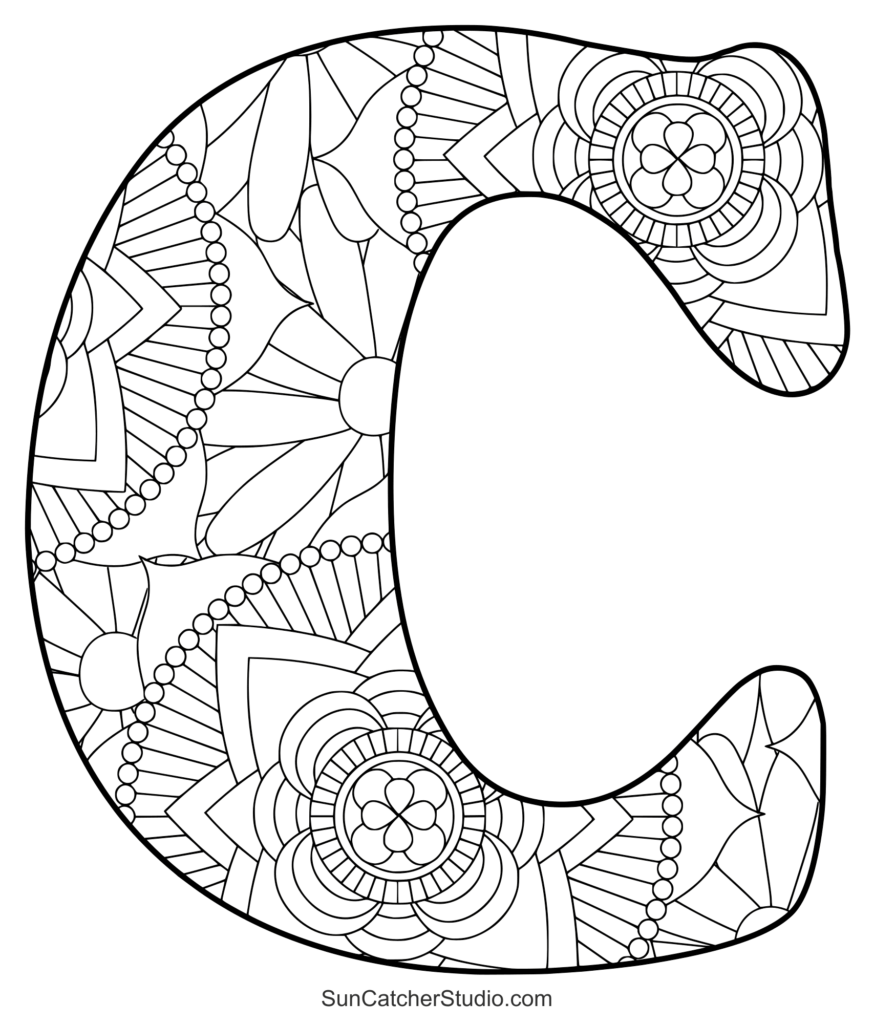
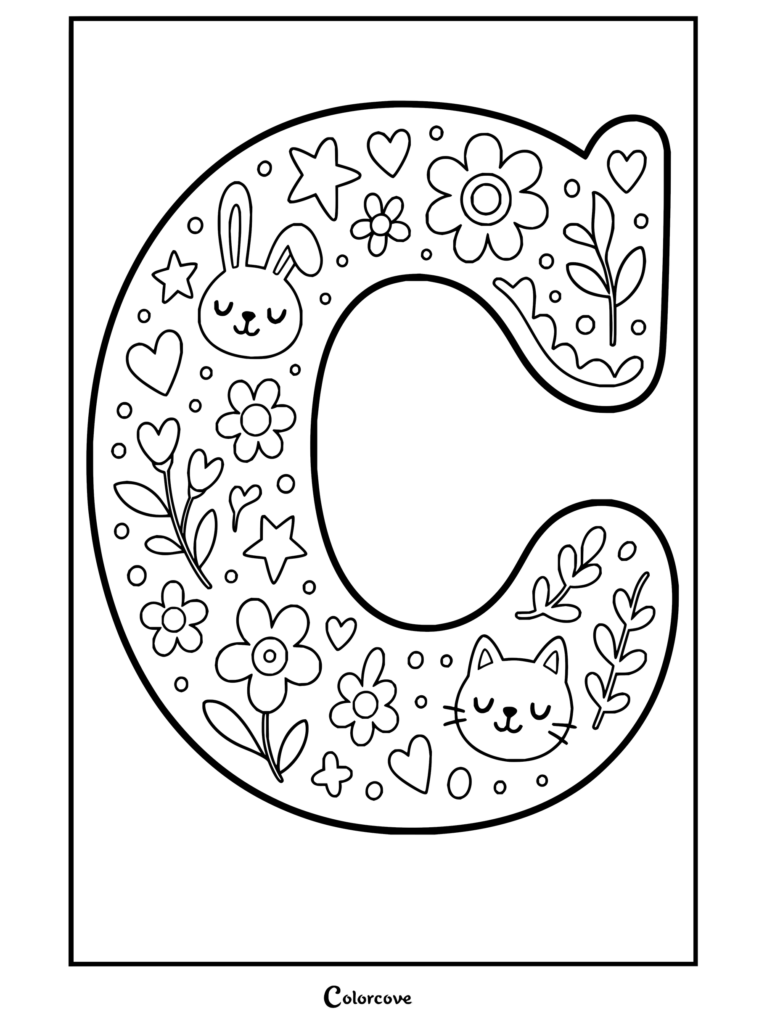
When choosing colouring pages of alphabet letters, match the design to the child’s age and attention span. Younger children usually do best with large, simple outlines and one main letter per page. Older children may enjoy pages with slightly more detail, such as patterned letters or a small themed image, as long as the letter is still easy to see. If the goal is recognition, choose pages that keep the letter dominant and avoid busy backgrounds.
source: colorcove.org
source: shop.freebiefindingmom.com
Simple printing choices can make these pages easier to use. Print at a larger size for beginners if you want more colouring space, or keep it standard for quick practice. Plain printer paper works well for crayons, while a slightly heavier paper can handle markers better and reduce bleed-through. Crayons are usually the easiest choice for younger children, while washable markers may suit older ones. Start with a few letters, then add more as the child becomes comfortable.
source: colorcove.org