5th Grade Math Practice By Skill Area
Good 5th grade math practice gives students a focused way to review the skills they are expected to use with confidence. The best practice stays at grade level, mixes problem types, and gives enough repetition to build fluency without turning into busywork. A strong set of practice problems should help students strengthen specific skills while also showing where they still need support.
source: Cazoom Maths
Core skills to review
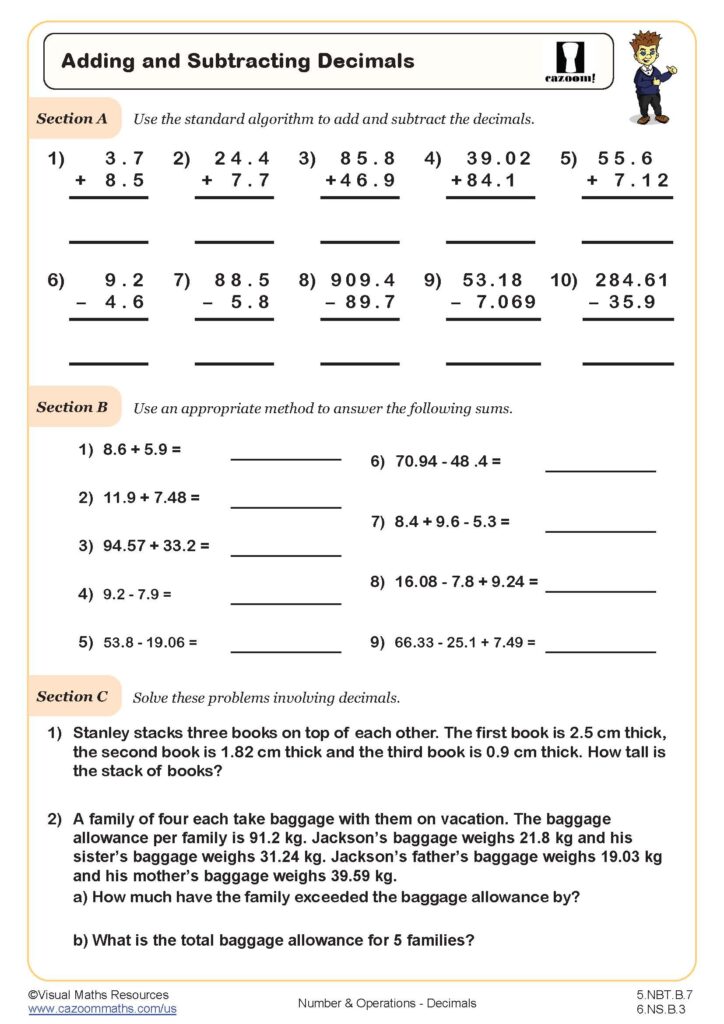
The most useful practice starts with place value and number sense, since those skills support everything else in fifth grade math. Students should work with multi-digit numbers, compare values, round numbers, and understand how digits change when they move places. From there, practice should include whole-number operations and decimals, such as adding, subtracting, multiplying, and dividing with accuracy. Mixed sets are helpful because they ask students to choose the right operation instead of following the same pattern every time.
Short groups of problems also make it easier to notice whether a student is struggling with basic computation or with setting up the problem correctly.
source: Math Salamanders
source: Worksheets Worksheets
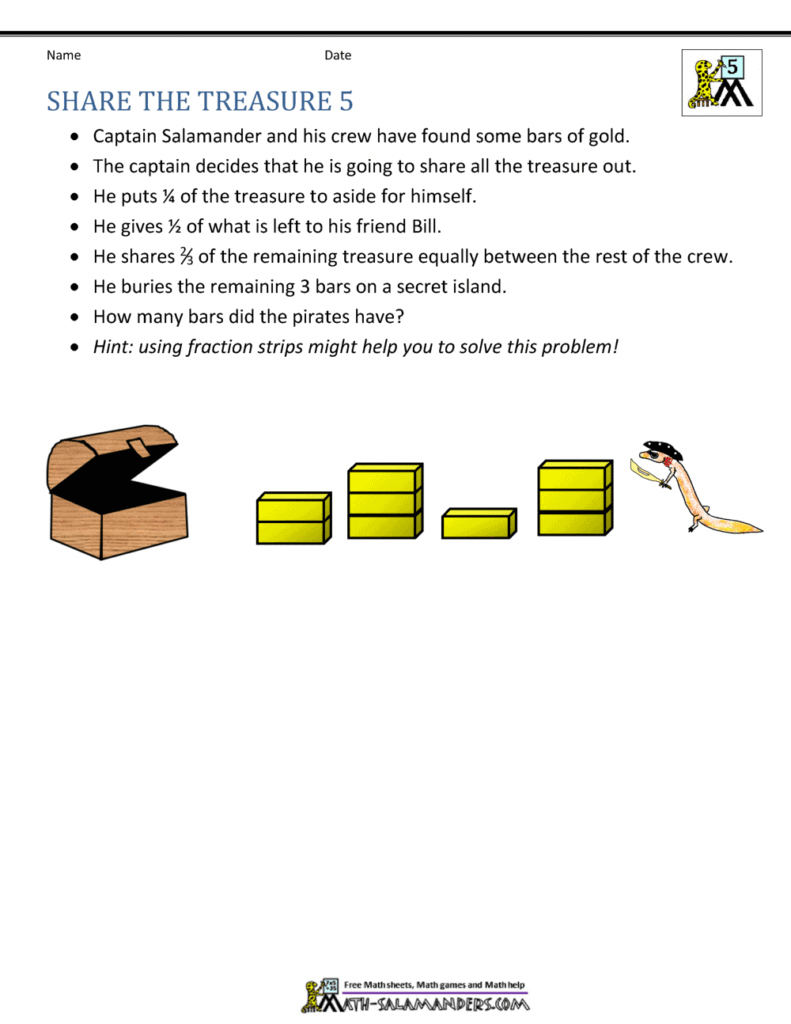
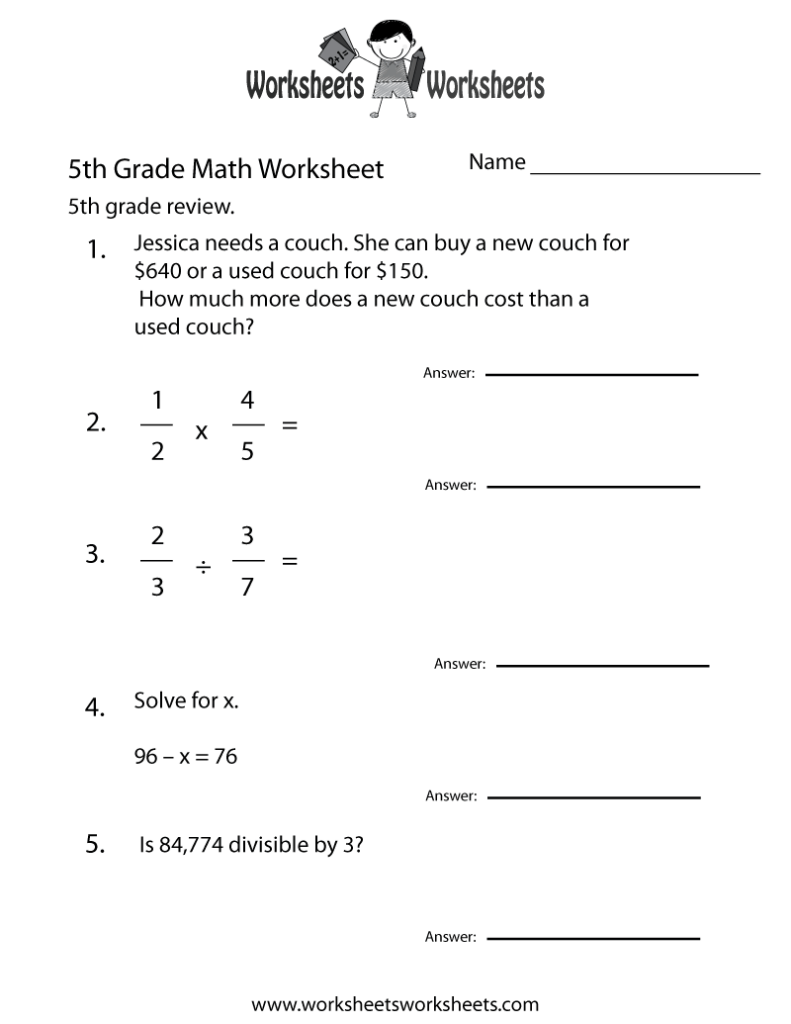
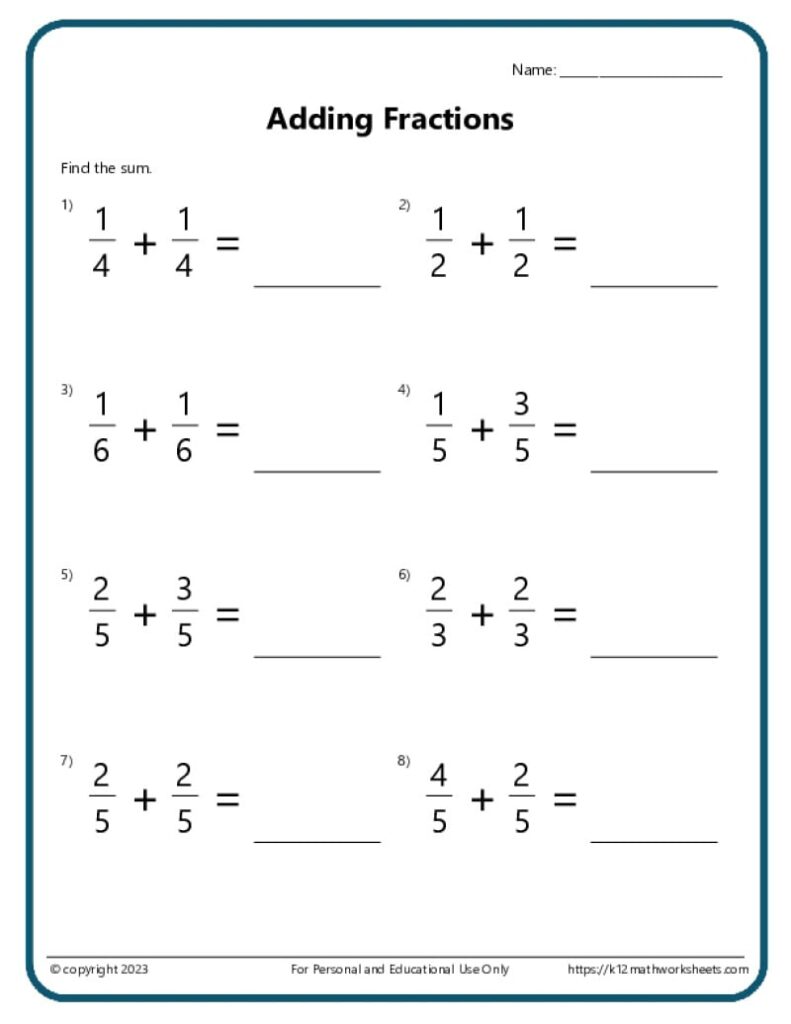
Fractions, measurement, and geometry should also appear regularly in practice. For fractions, students need work on adding, subtracting, multiplying, and dividing in forms that match fifth grade expectations, along with comparing fractions and working with equivalent values. Measurement problems should include units, conversion within a system, and word problems that require careful attention to what is being measured. Geometry practice should focus on classifying shapes, understanding attributes, and using simple formulas or reasoning about area and volume when appropriate.
These topics are most effective when they are presented in a mix rather than in long blocks of one skill only.
Using practice well
source: K12 Math Worksheets

source: Math Salamanders
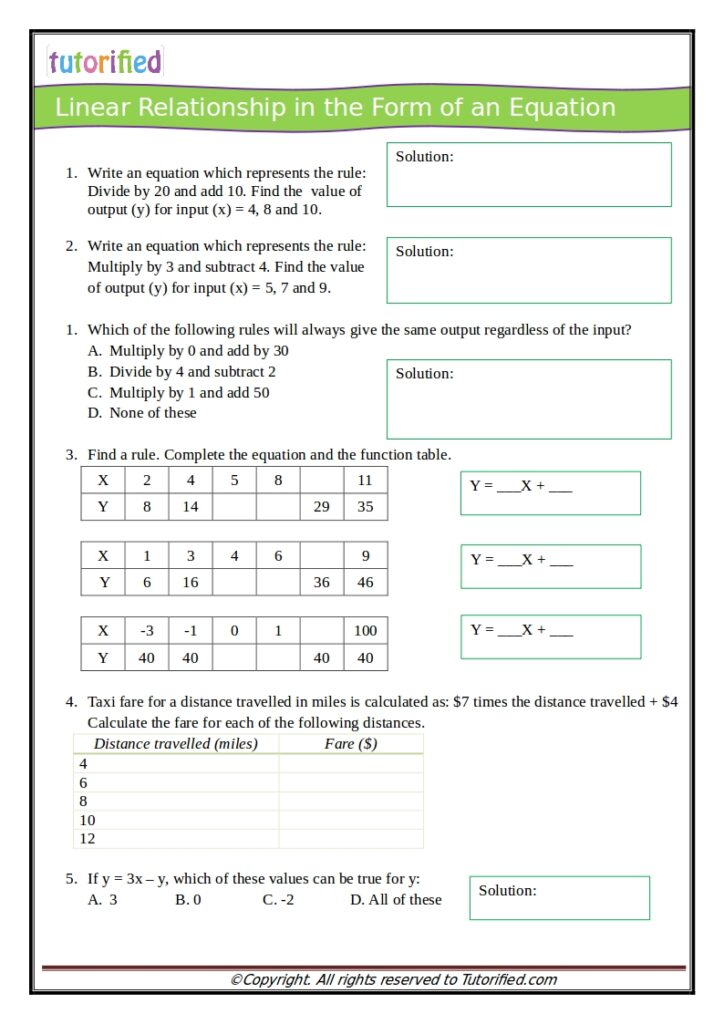
source: Tutorified
To make 5th grade math practice effective, keep sessions short and focused. A few problems at a time is usually better than a long worksheet that leads to rushing or frustration. Students should check answers after each set, not only at the end, so mistakes can be corrected while the work is still fresh. It also helps to sort errors by skill area, such as decimals, fractions, or word problems, and then give extra practice where needed.
This approach keeps practice manageable, builds confidence, and makes each round more useful. The goal is steady improvement, not finishing the most problems possible.
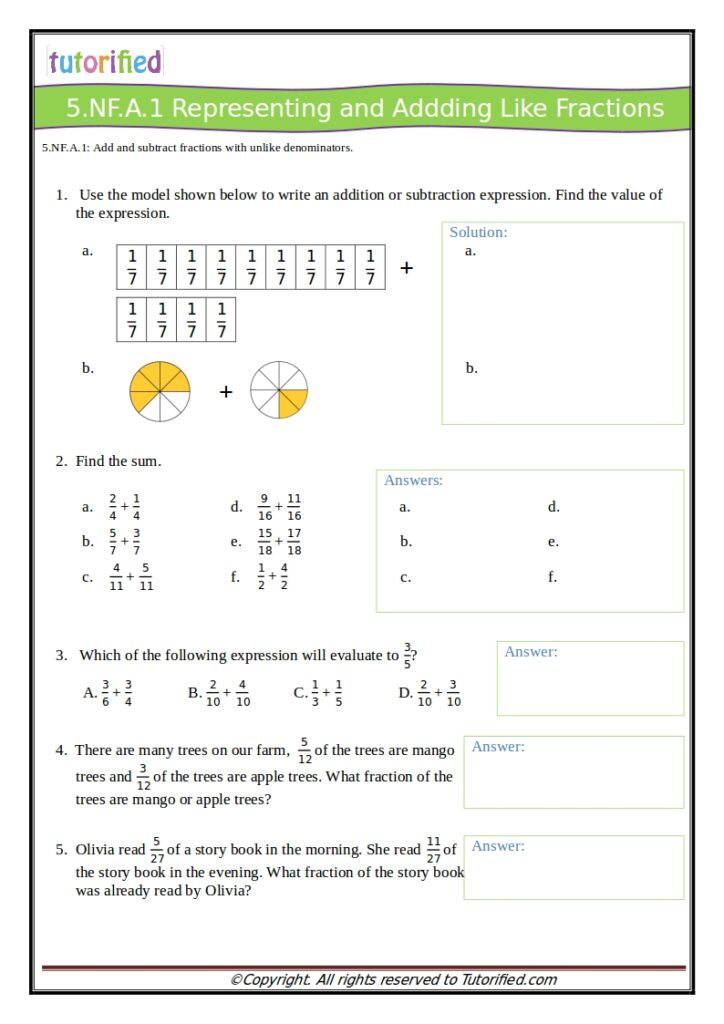
source: Tutorified