2nd Grade Vocabulary Words For Reading And Spelling
2nd grade vocabulary words should be familiar, useful, and easy for children to meet in books, classroom talk, and everyday writing. A strong set includes words for home, school, feelings, time, and common actions. The best list supports reading comprehension, spelling practice, and simple sentence writing without becoming too hard. Keep the focus on words children can recognize, say, and use with confidence.
Core Word Groups
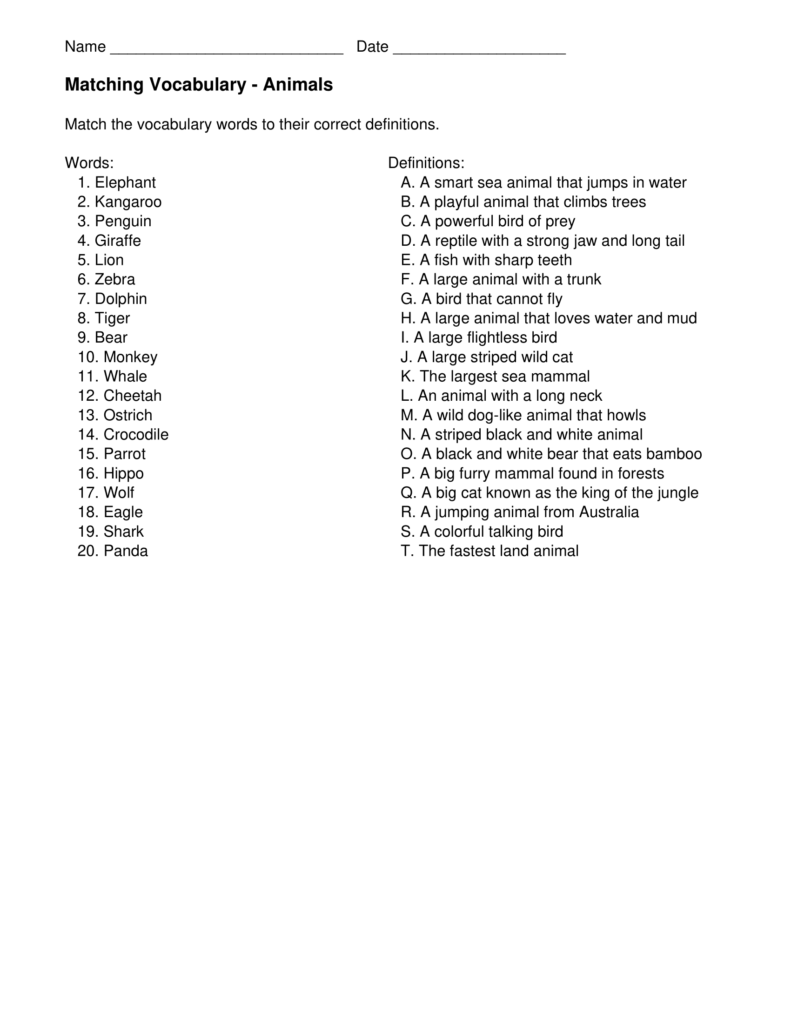
source: English Worksheets
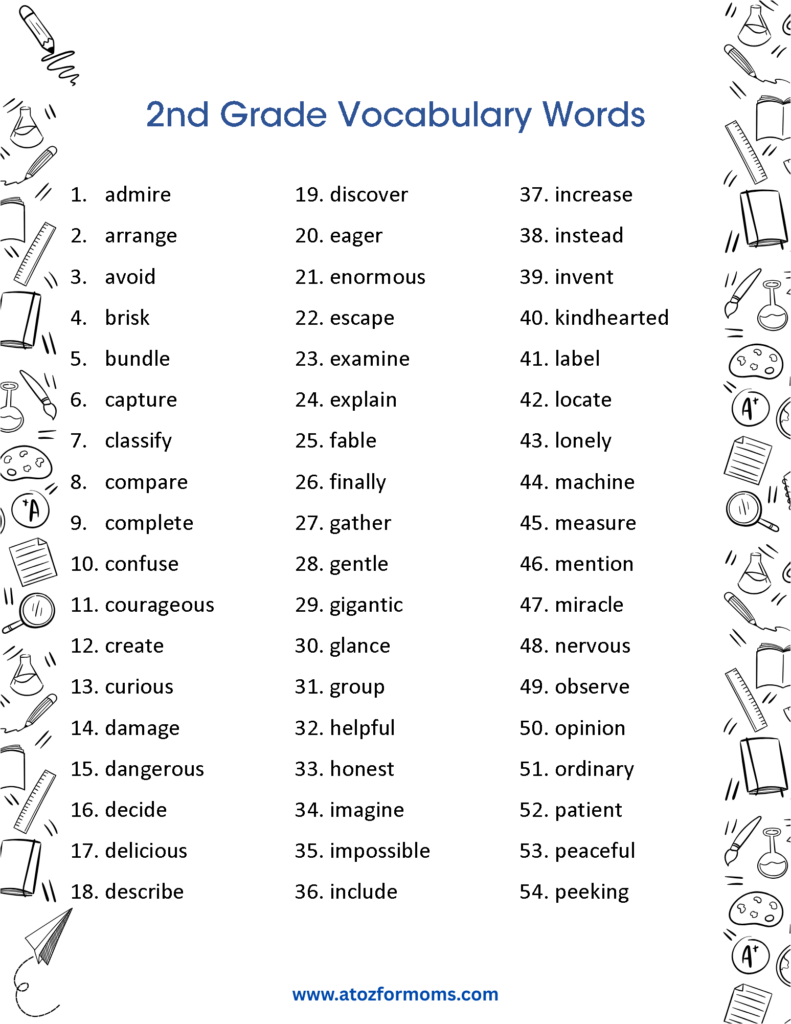
source: A to Z for Moms Like Me
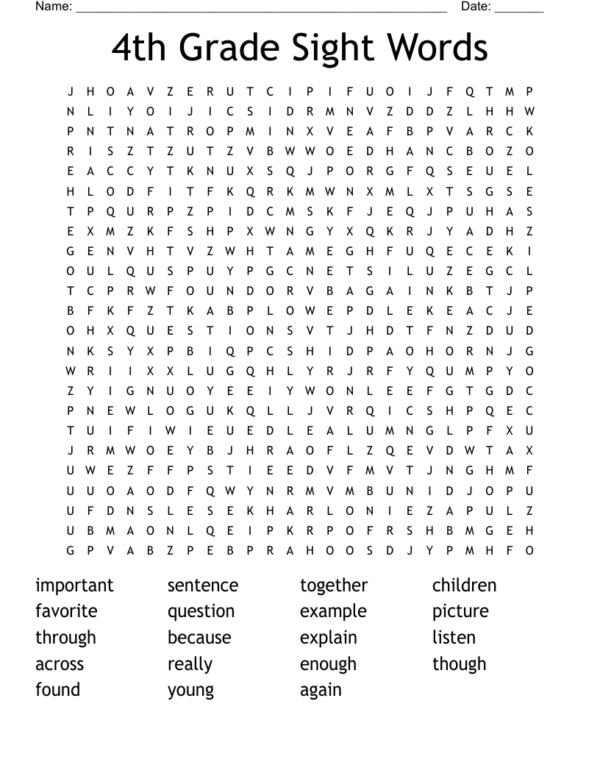
A practical 2nd grade vocabulary list often starts with high-frequency words children see often in second-grade texts. Words like because, before, after, answer, group, happy, kind, today, tomorrow, near, and carry are useful because they appear in reading and classroom discussion. These words help children explain ideas, describe events, and understand directions. They also support fluency, since students can read them quickly in connected text instead of stopping on every line.
Grouping words by theme makes practice easier. For example, school words can include pencil, library, folder, desk, and project; home words can include family, dinner, kitchen, bedroom, and clean; and nature words can include river, pond, tree, rain, and cloudy. This kind of grouping helps children notice meaning connections and use words in sentences. It also makes review simple because teachers and parents can focus on one set at a time without overwhelming young learners.
Using the List
For reading practice, have children find the vocabulary words in a short passage and tell what each word means in context. For spelling, choose a few words each week and practice saying, writing, and checking them in a sentence. For speaking and writing, ask children to use one or two words in a complete sentence, such as “I will carry my folder to school” or “The cloudy sky looked gray.” Short, repeated use helps the words stick.
A good 2nd grade vocabulary set should feel age-appropriate, concrete, and useful across reading and writing tasks. The words should fit common elementary language development: familiar enough to learn quickly, but rich enough to build comprehension and expression. When choosing words, favor everyday nouns, verbs, adjectives, and time words that children can apply right away. That balance makes the list practical for classroom review, home practice, and early independent reading.