3rd Grade Division Problems For Practice And Fluency
3rd grade division problems should help children see division as fair sharing and equal groups. At this level, students work best with small numbers, familiar objects, and clear answer checks. Good practice connects division to multiplication, repeated subtraction, and simple pictures so children can explain how they know an answer is right.
Equal Groups Basics
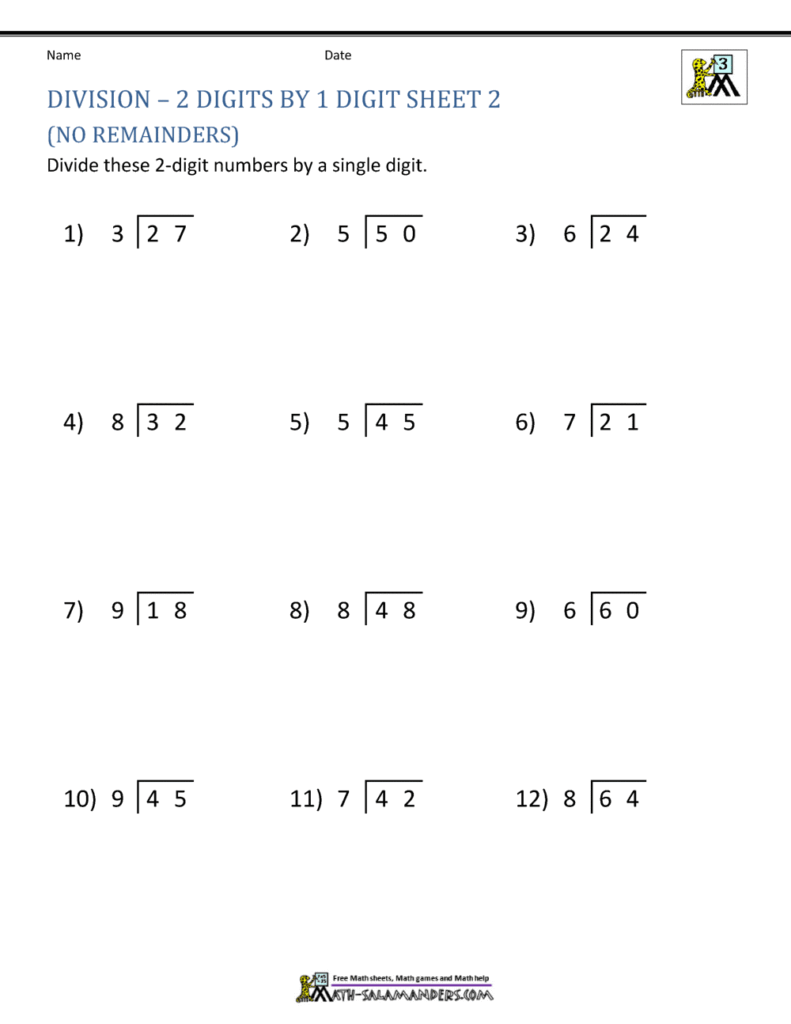
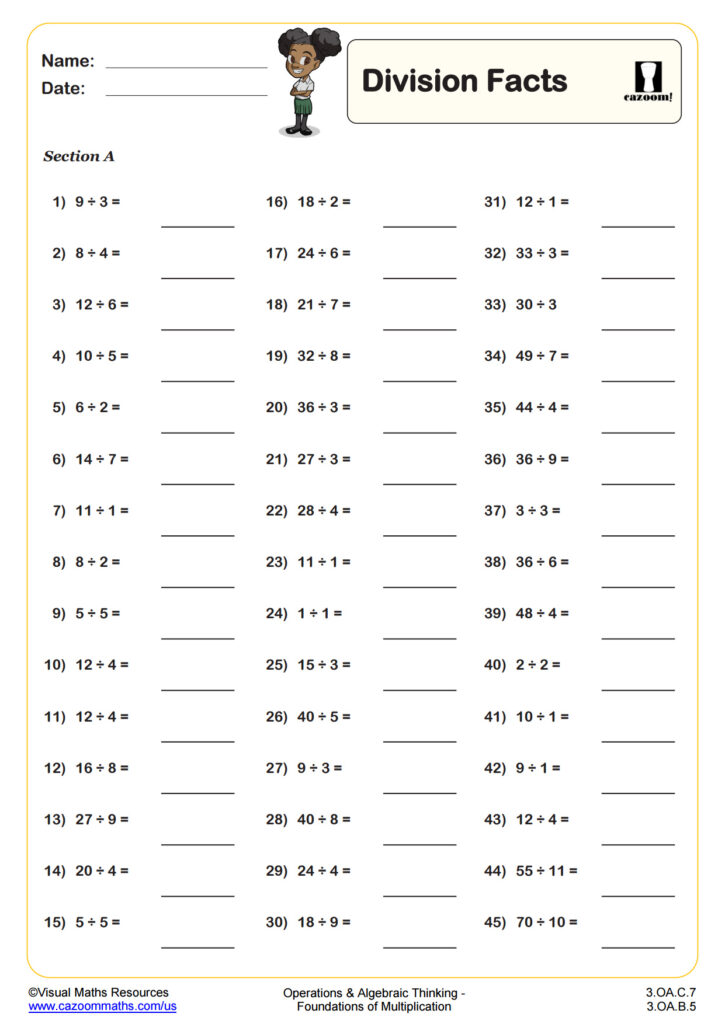
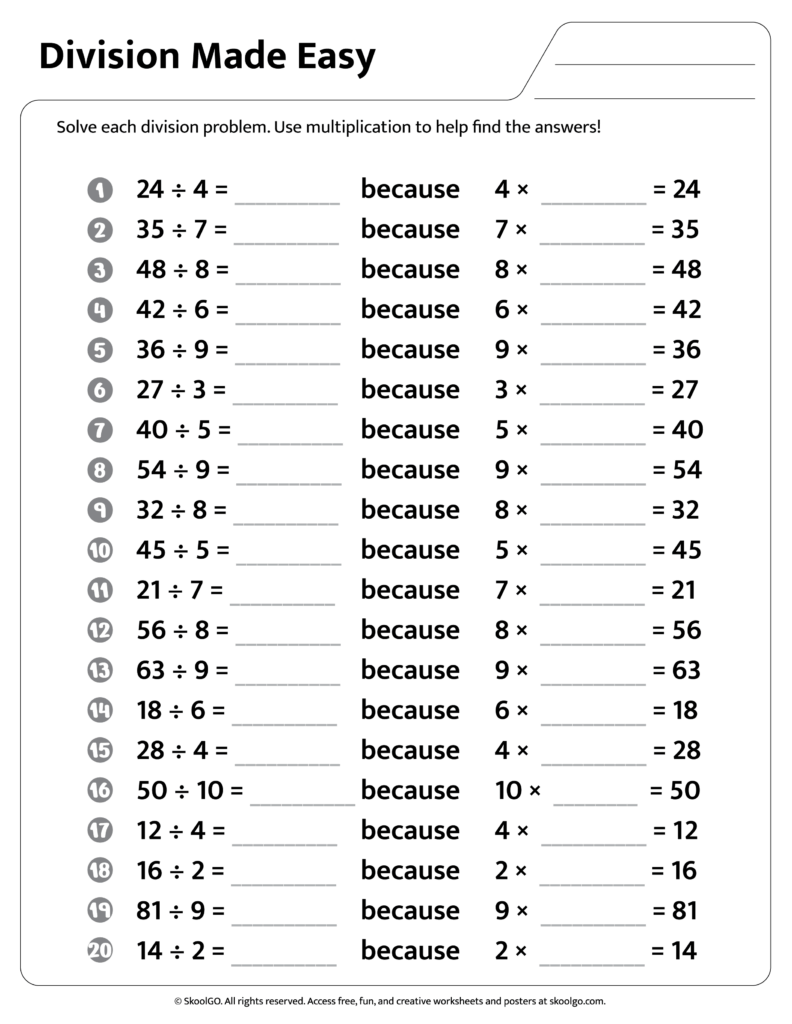
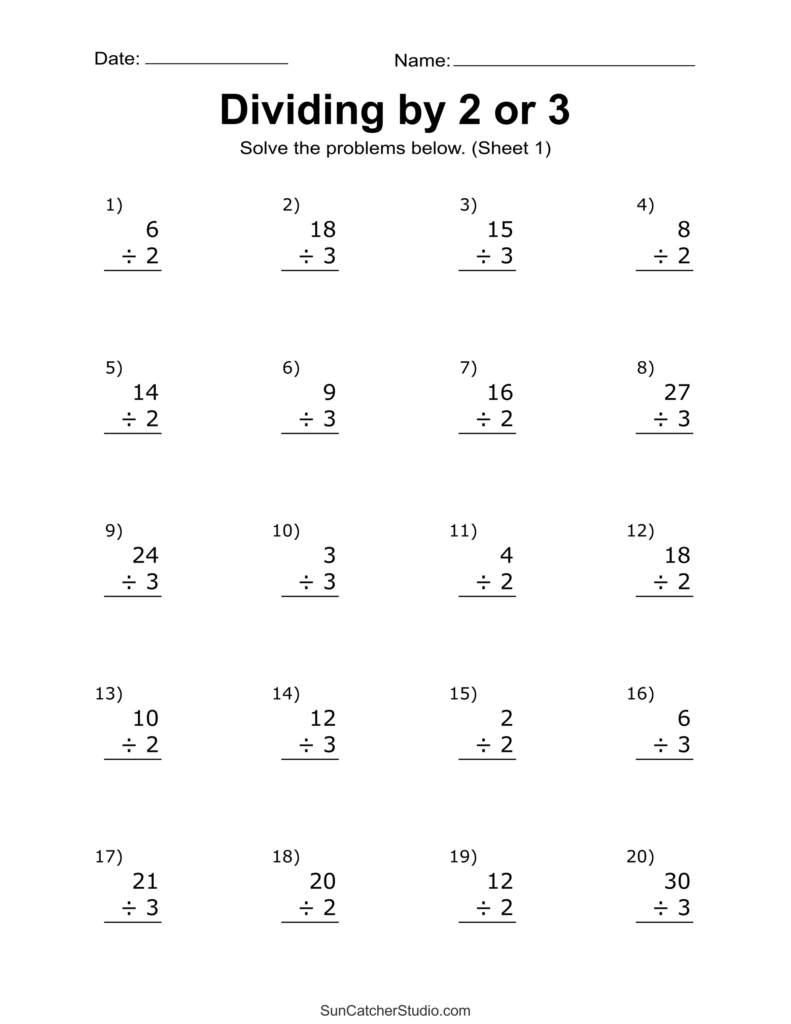
Start with number sentences that use easy facts and small quotients. For example, 12 ÷ 3 = 4 means 12 items are split into 3 equal groups, with 4 in each group. This is a strong way to build fluency because students can count, draw, or skip count to check the answer. Ask them to say the matching multiplication fact too: 3 × 4 = 12. That connection helps division feel less random and more logical.
source: www.math-salamanders.com
Picture and array problems give third graders a visual way to solve division. You might show 15 dots arranged in 3 rows and ask how many are in each row, or draw 8 apples to be shared among 2 children. Students can circle groups, cross out one by one, or count rows and columns. These models make the idea of equal groups concrete and support children who need to see the problem before solving it.
source: www.cazoommaths.com
source: www.skoolgo.com
Simple Word Problems
source: suncatcherstudio.com
Word problems should stay short and use everyday situations. For example: “18 crayons are shared equally among 6 students. How many crayons does each student get?” These problems help children decide whether to divide, then match the story to a number sentence. Keep the language clear, with words like share, group, each, and equal. A helpful check is to multiply the quotient by the group number to see if the total matches the story.
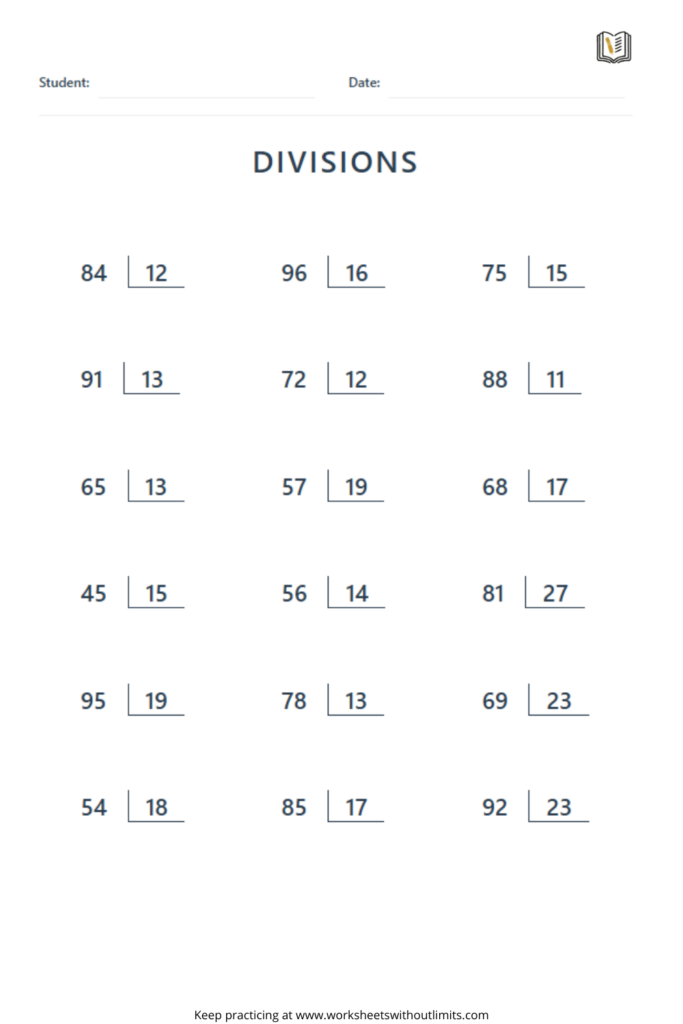
source: worksheetswithoutlimits.com
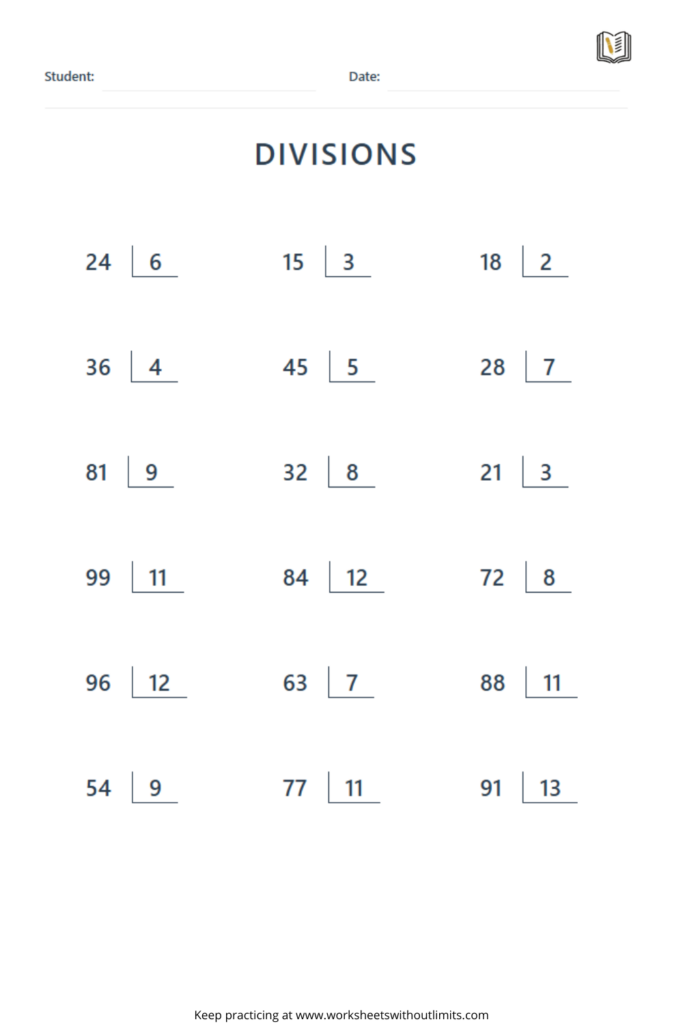
source: worksheetswithoutlimits.com
A strong practice set mixes all three types: equations, picture-based problems, and word problems. Include answers right away or on a separate key so a child can check work and notice mistakes. If a problem is missed, ask the student to redraw the groups or use subtraction to find the total step by step. That kind of practice builds confidence, reinforces division facts, and keeps 3rd grade division problems focused on understanding rather than speed alone.
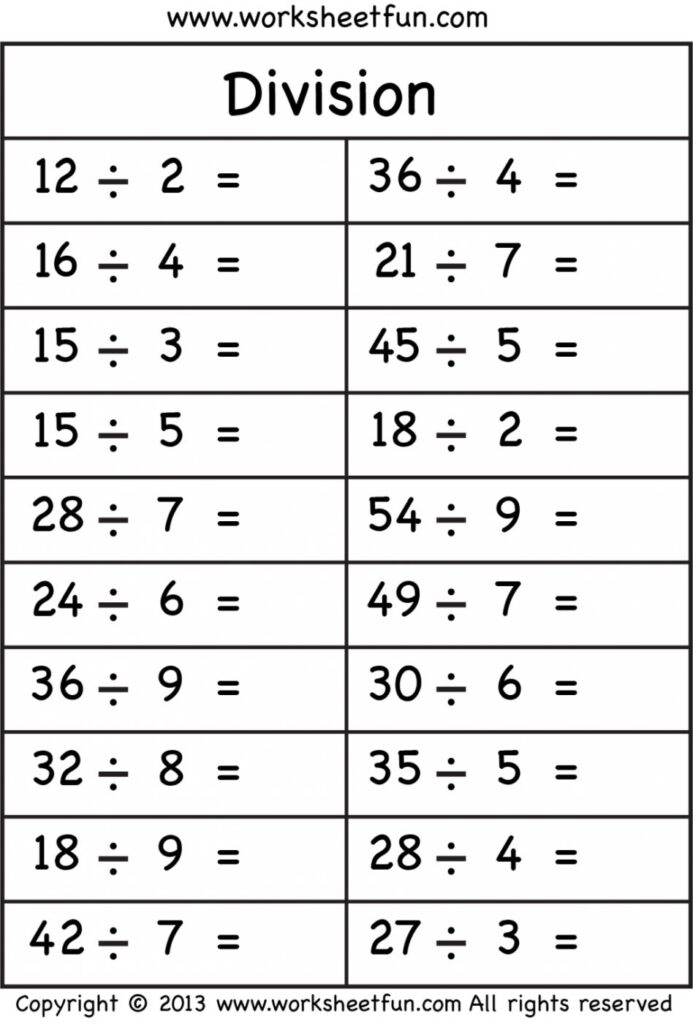
source: www.pinterest.com