7 Features Of Living Things Explained Simply
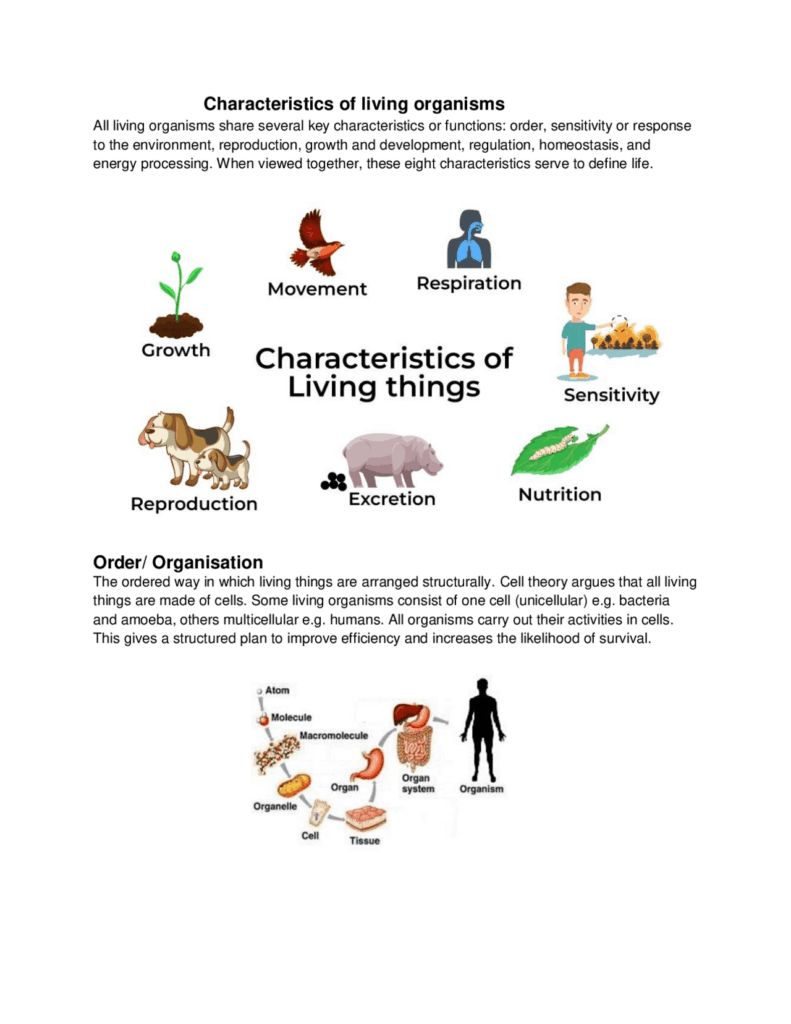
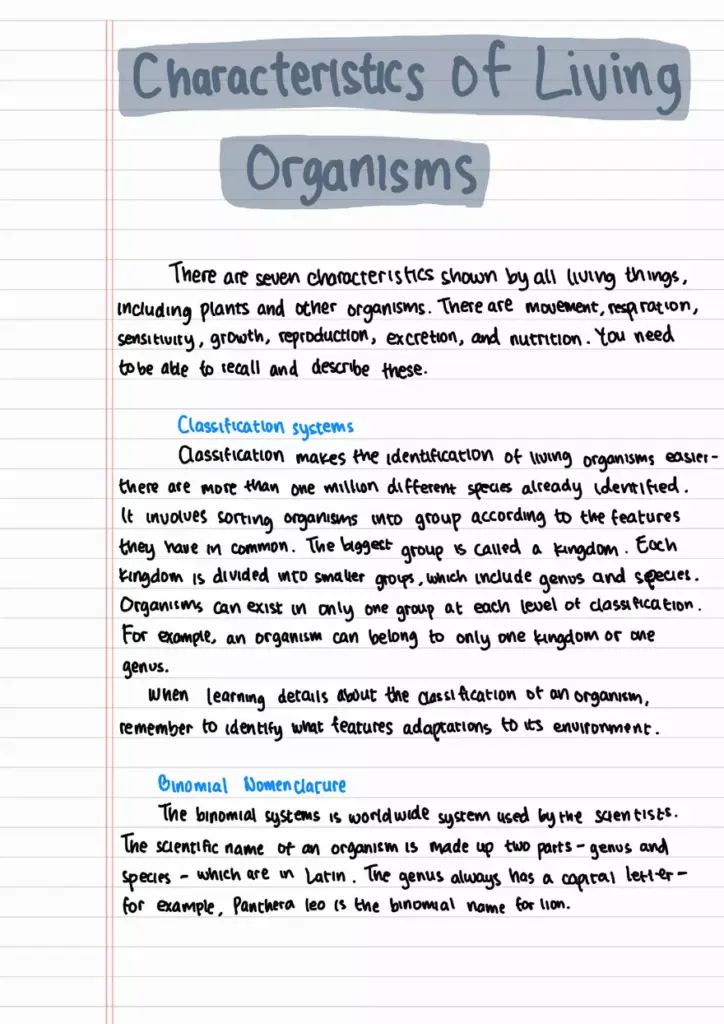
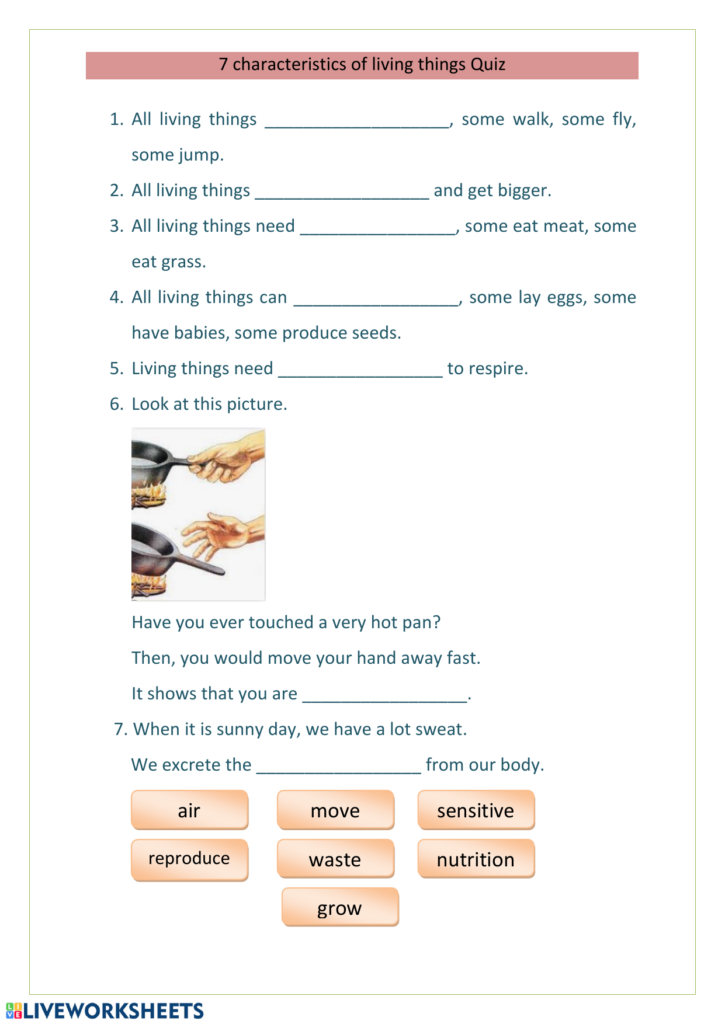
Living things are usually identified by seven common features. These features help students tell the difference between organisms and non-living things in a simple, reliable way. A stone may move if you push it, but it does not do the seven life processes on its own. By learning each feature clearly, you can spot how plants, animals, and microbes are all alike in the ways that matter.
source: Docsity
What living things do
source: EduBirdie
The first feature is movement. Living things move in some way, even if the movement is small or slow. Animals walk, swim, or fly, while plants turn toward light or open and close their flowers. This is not always the same as changing place. A plant rooted in soil still shows movement because parts of it respond and shift. Movement helps living things find food, light, water, or safer conditions.
source: Studylib
Other life processes
The second feature is respiration, which means releasing energy from food. Living things need energy to carry out all their activities, such as growing, moving, and repairing themselves. The third is sensitivity, the ability to notice and respond to changes around them. For example, a person pulls away from a hot object, and a plant bends toward sunlight. These responses show that living things are actively interacting with their environment.
The fourth feature is growth, which means increasing in size and developing over time. A baby grows into an adult, and a seed becomes a plant. The fifth is reproduction, or producing new living things of the same kind. The sixth is excretion, the removal of waste substances made inside the body. The seventh is nutrition, the taking in of food or making food. Together, these seven features are used to recognize life clearly.