3rd Grade Multiplication Activities For Practice And Fluency
3rd grade multiplication activities should help children move from counting by groups to understanding repeated addition and basic facts. The best options are simple, hands-on, and easy to use at school or home. Look for activities that build arrays, skip counting, and fact practice in short bursts. A good mix keeps multiplication concrete, engaging, and age-appropriate while supporting both understanding and speed.
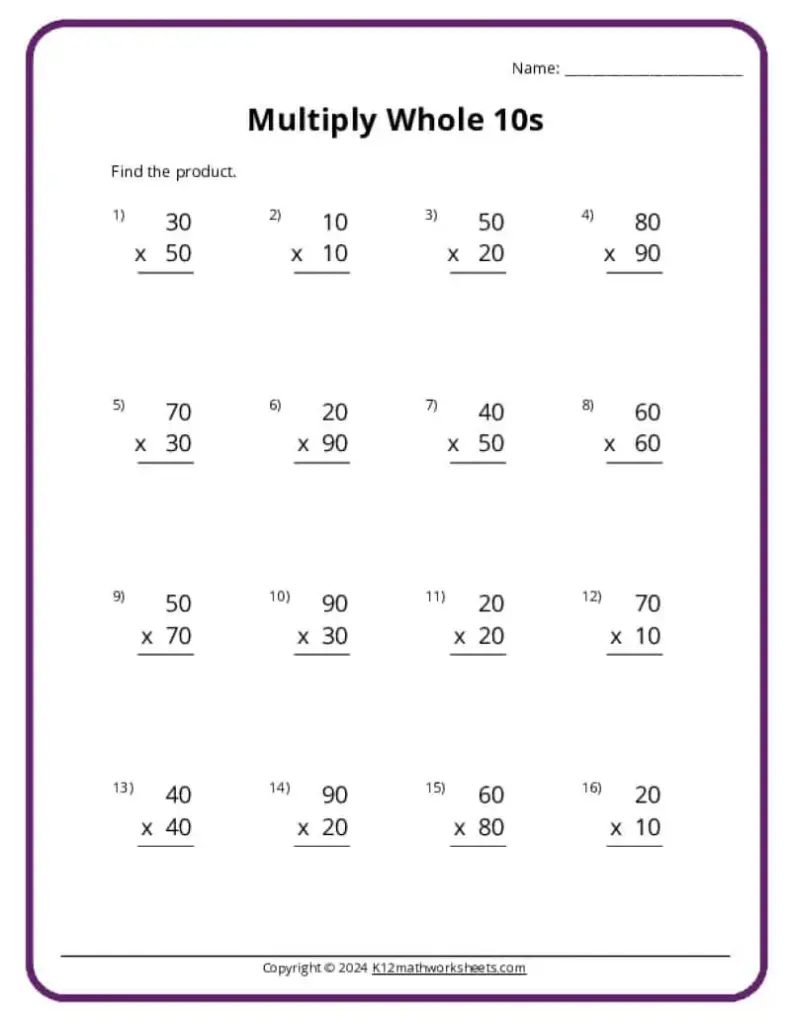
source: K12 Math Worksheets
Hands-On Array Practice
Arrays are one of the clearest ways to show multiplication in third grade. Children can build rows and columns with counters, buttons, cubes, or drawing dots on paper. For example, 3 rows of 4 helps them see 3 × 4 as equal groups, not just a memorized fact. This kind of activity supports conceptual understanding because students can count the total, notice patterns, and connect multiplication to addition. It works well for beginners who need a visual model before moving to faster fact recall.
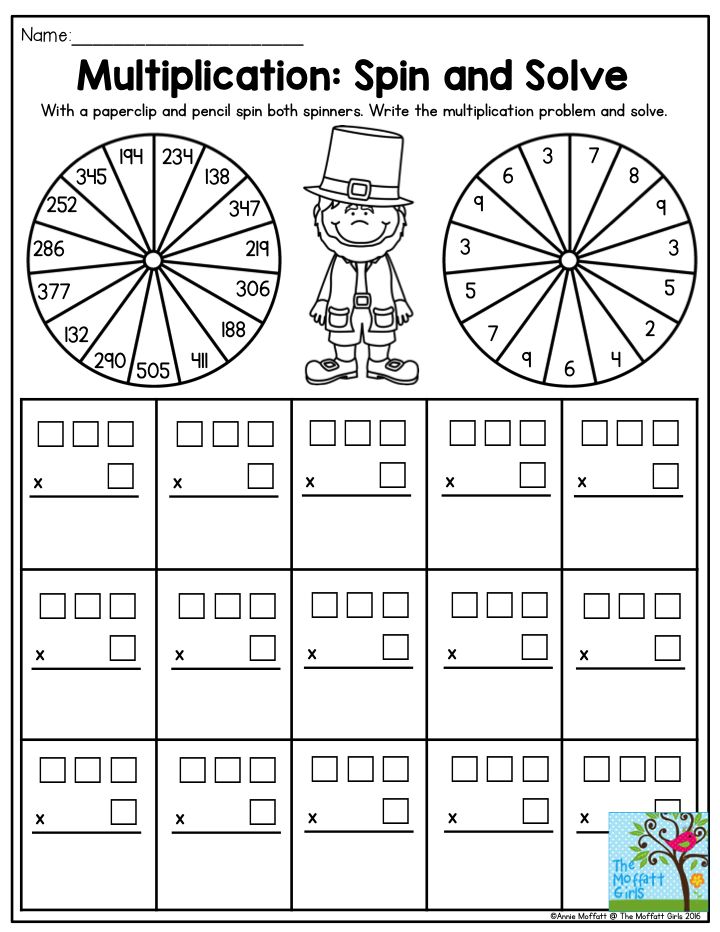
source: Pinterest
Quick Games and Fact Practice
source: All About 3rd Grade
source: Workybooks
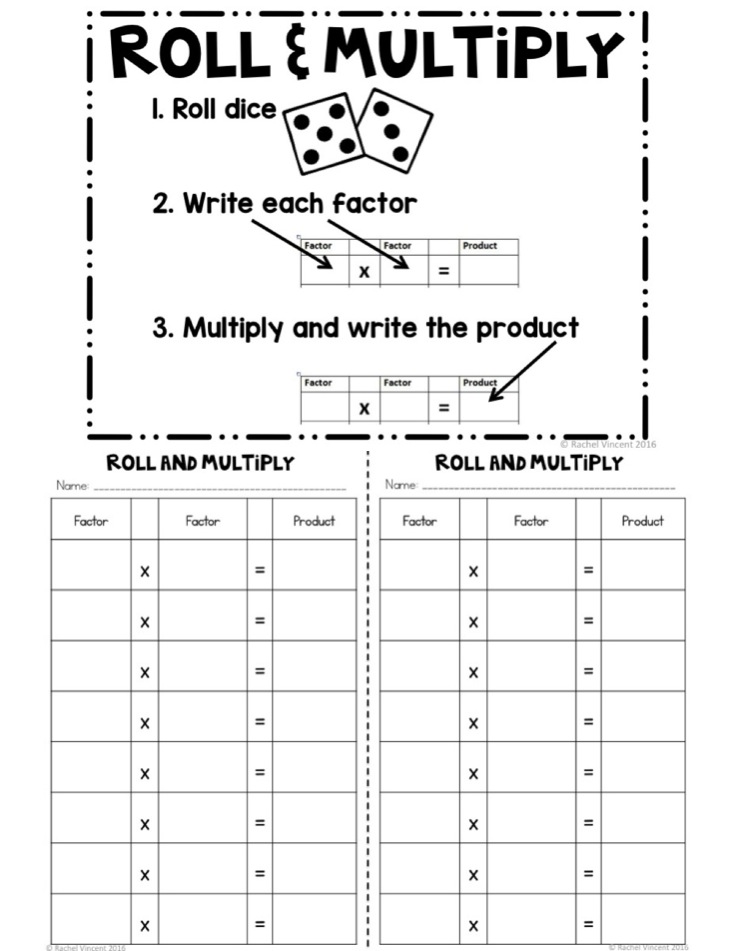
Once students understand the idea of equal groups, short games help them gain fluency. Card games, matching games, dice rolls, and multiplication bingo keep practice lively without feeling like a drill. These activities are useful for reinforcing facts in a low-pressure way, especially when students need repeated exposure to the same facts. At home, a parent can use a simple deck of cards and have the child multiply two drawn numbers. In class, partners can quiz each other for a few minutes at a time.
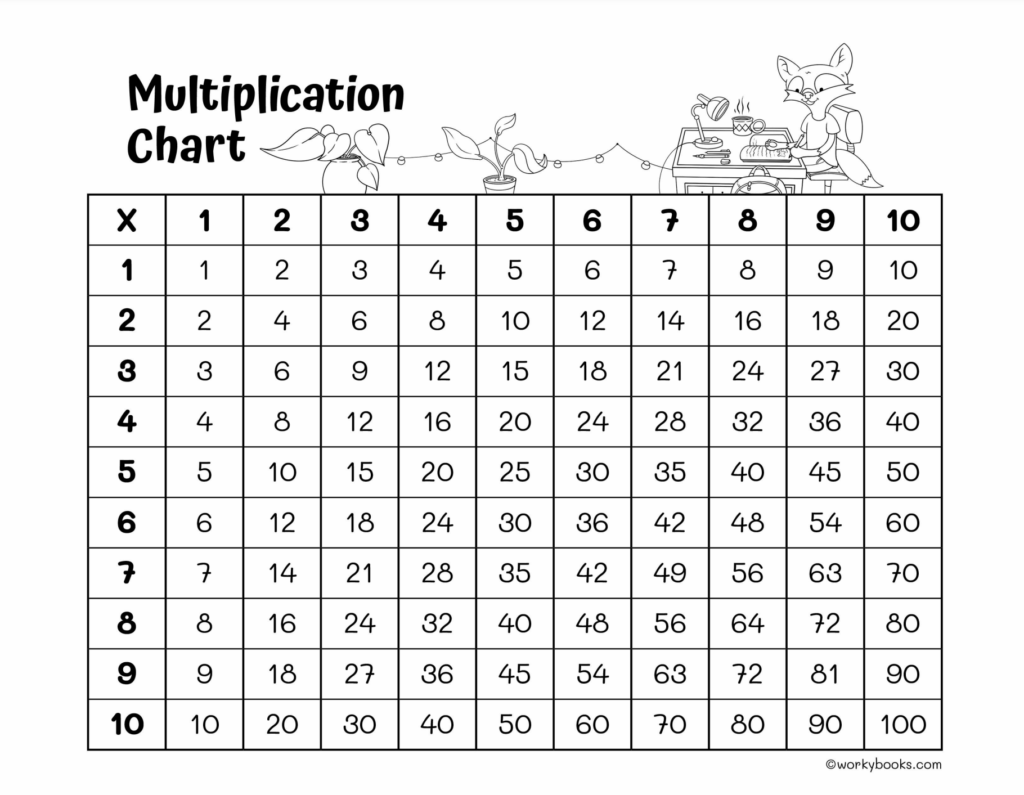
Skip counting activities help third graders notice the rhythm of multiplication tables. Students can count by 2s, 5s, or 10s on a number line, clap the sequence, or hop through facts on the floor. This supports fluency by making fact families and repeated steps more familiar. It is especially helpful for learners who are not ready for full fact drills. Choose skip counting when the goal is pattern recognition, and use it as a bridge toward solving multiplication facts more confidently and independently.