20×20 Coordinate Plane: A Simple Guide To Graphing
A 20×20 coordinate plane is a square graphing grid built on the Cartesian plane, with 20 units across and 20 units up and down. It gives a clear reference for naming and placing points. To use it well, start with the origin, read the axes correctly, and remember that each ordered pair shows one horizontal move and one vertical move.
Axes and Origin
The coordinate plane has two number lines that cross at the origin. The horizontal line is the x-axis, and the vertical line is the y-axis. Positive x values move right from the origin, while negative x values move left. Positive y values move up, and negative y values move down. In a 20×20 coordinate plane, this usually means values from -10 to 10 on each axis, depending on how the grid is centered and labeled.
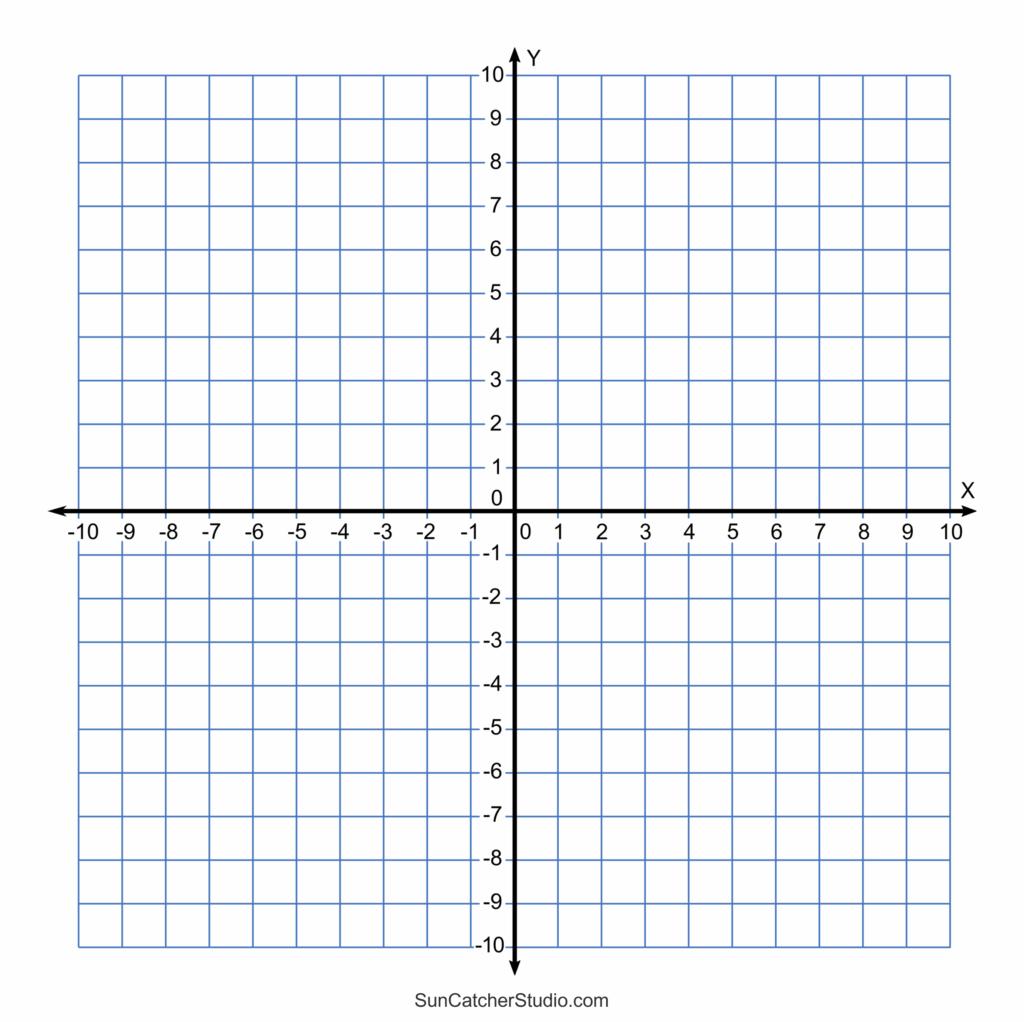
source: suncatcherstudio.com
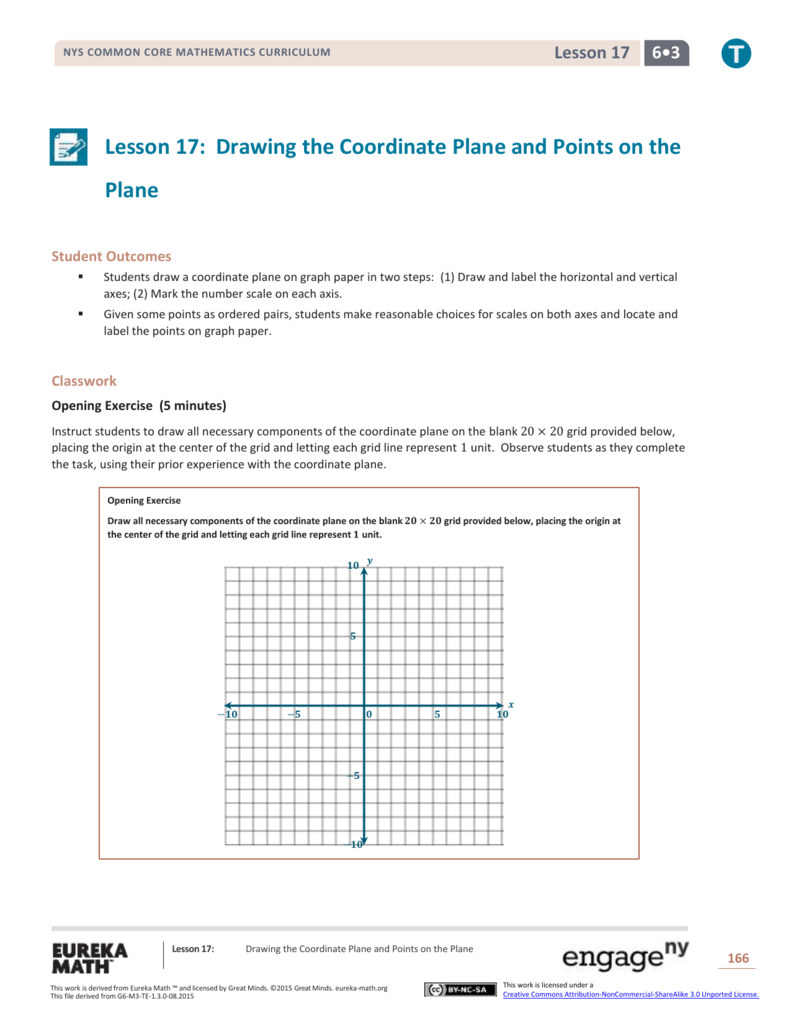
source: studylib.net
Points are written as ordered pairs, like (3, -4). The first number tells the x-coordinate, and the second number tells the y-coordinate. To plot a point, move along the x-axis first, then move up or down to the y value. To identify a point, reverse the process: find its horizontal position, then its vertical position. This basic left-right, up-down pattern is the key to reading any point on the grid accurately.
Quadrants and Location
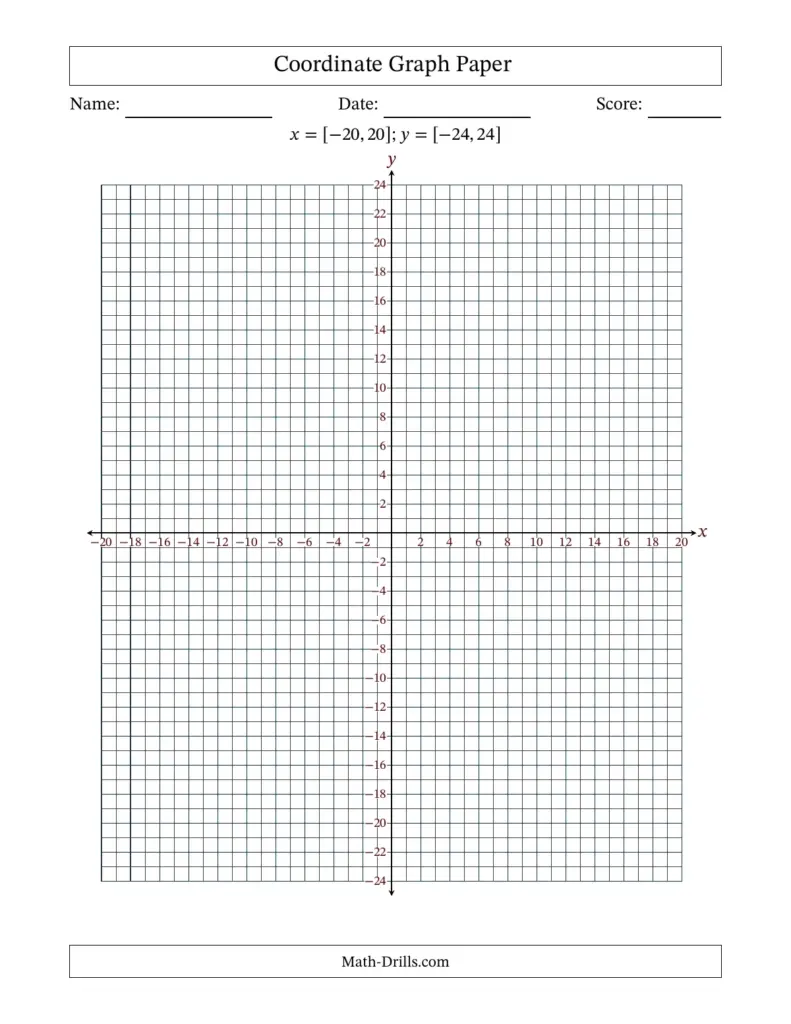
source: math-drills.com
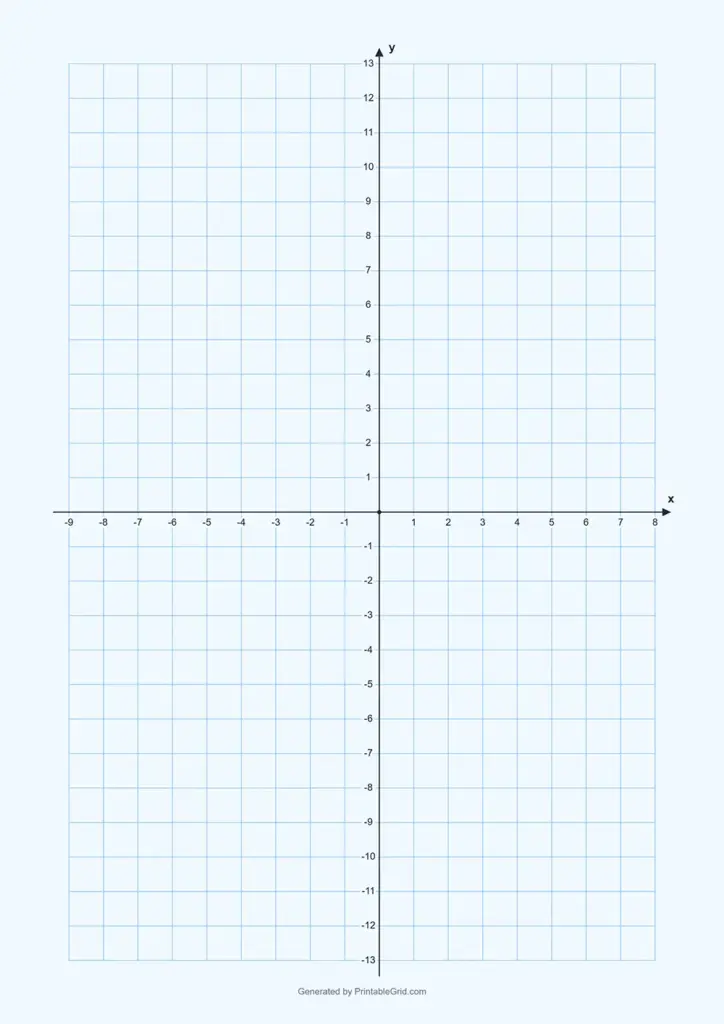
source: printablegrid.com
The grid is divided into four quadrants by the axes. Quadrant I is upper right, Quadrant II is upper left, Quadrant III is lower left, and Quadrant IV is lower right. The signs of the coordinates help you orient yourself: (+, +) in Quadrant I, (-, +) in Quadrant II, (-, -) in Quadrant III, and (+, -) in Quadrant IV. You do not need advanced graphing to use this layout; it simply helps you know where a point belongs.
When working on a 20×20 coordinate plane, keep the scale and labels in view so you do not confuse grid lines with coordinates. Count carefully from the origin, and remember that points on an axis are not in a quadrant because one coordinate is zero. With a little practice, the plane becomes a reliable map for locating and naming points quickly and correctly.