1st Grade Single Digit Addition Flashcards For Practice
1st grade single digit addition flashcards are a simple way to build early math fluency. The best cards stay focused on basic facts with sums that first graders can handle, such as 1+1, 2+3, or 4+4. They should be clear, uncluttered, and easy to read so young learners can answer quickly and confidently without extra distractions.
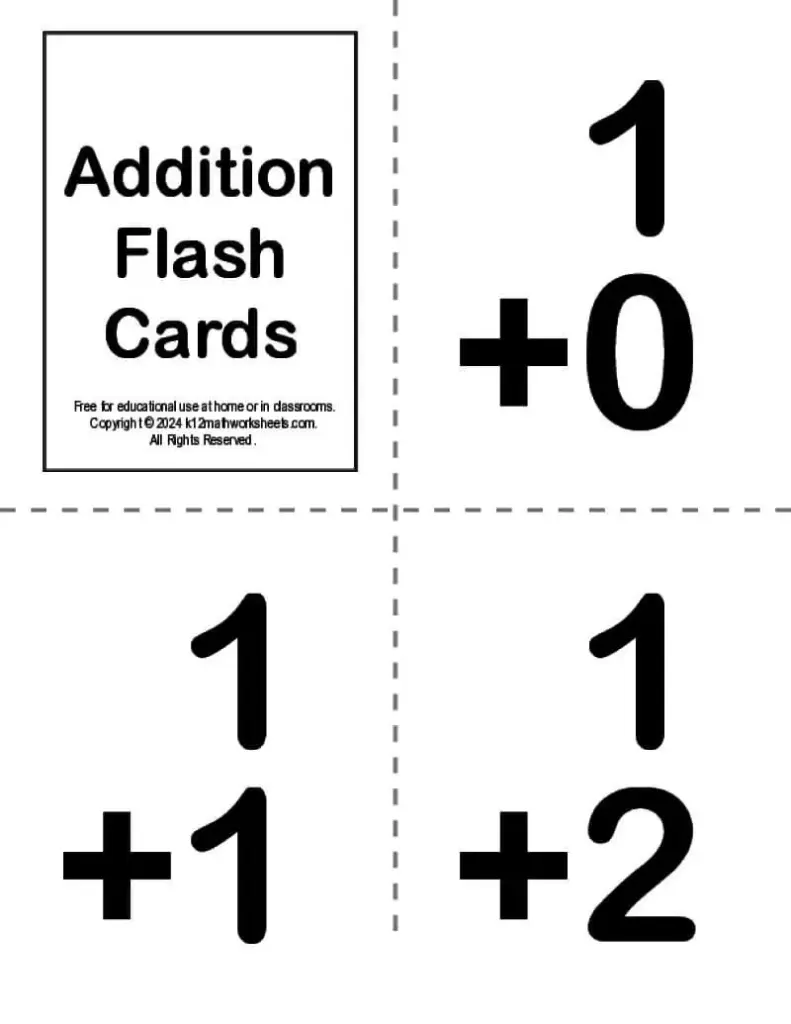
source: K12 Math Worksheets
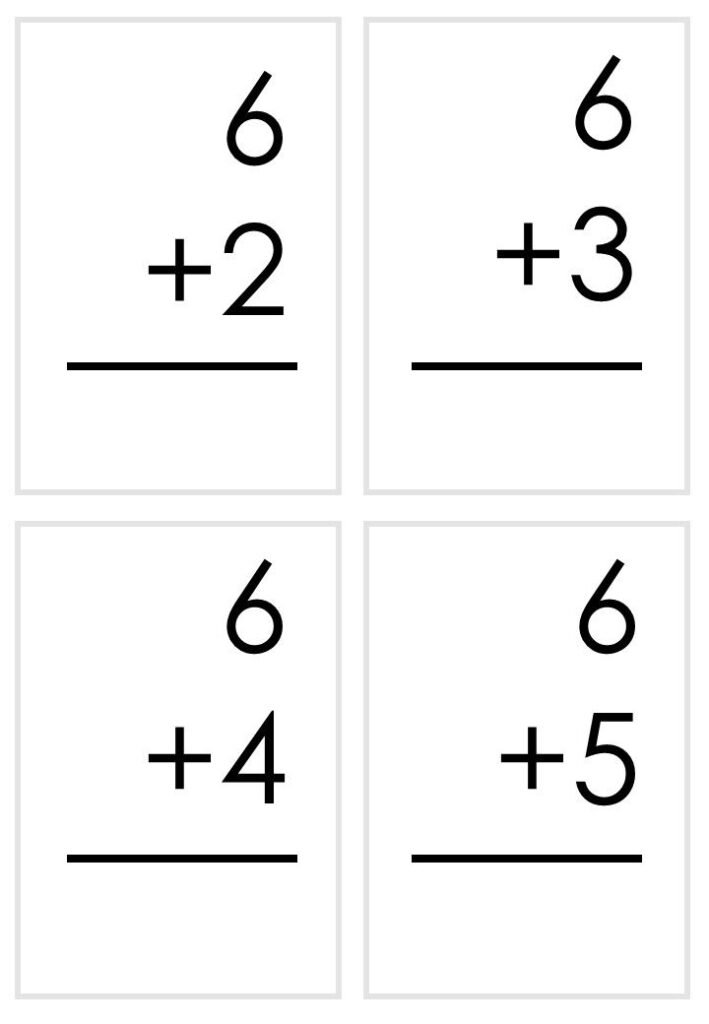
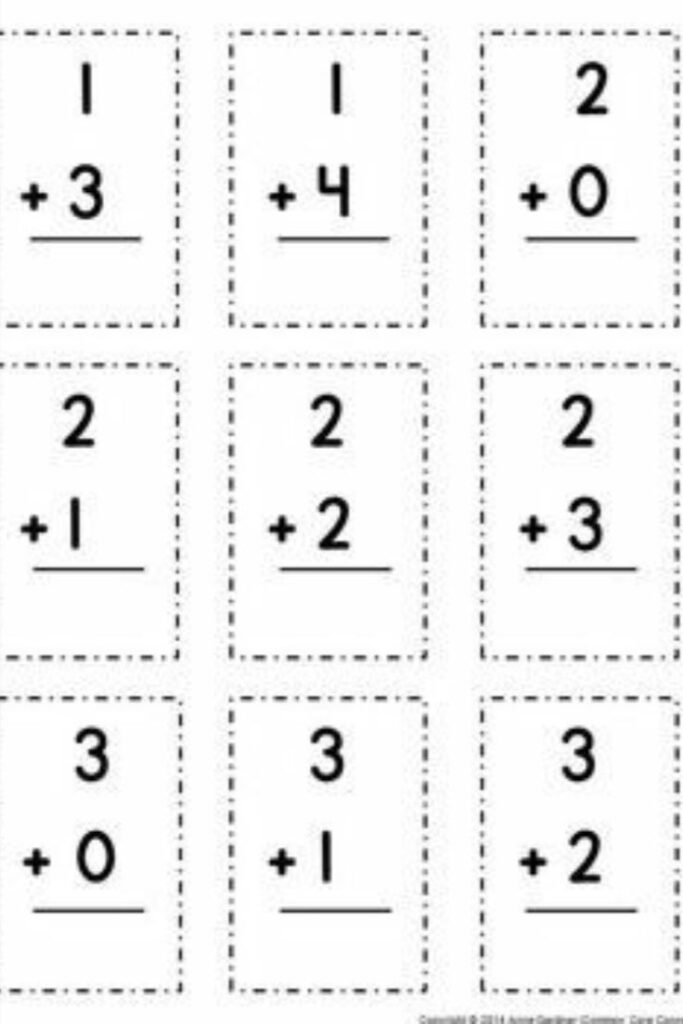
When creating or choosing these flashcards, keep the scope limited to single-digit addition only. Each card should show one short problem and one correct answer, with numbers sized large enough for beginning readers and learners. Simple layouts help children stay on task, especially when there is plenty of white space and no busy graphics. The goal is quick recognition of addition facts, not long problem solving or mixed practice.
What to Put on the Cards
source: Pinterest
source: jp.pinterest.com
The strongest flashcards use beginner-friendly addition facts that match first-grade readiness. Start with sums within ten, then include a few slightly larger totals if the child is comfortable, such as 5+2 or 3+6. Keep the set predictable so learners can notice patterns over time, but avoid adding subtraction, word problems, or multi-step questions. Each card should support fast review and simple repetition, which makes practice feel manageable and focused.
Easy Practice Setup
These flashcards work well for short practice sessions. A parent, teacher, or student can flip through a small stack for one minute, practice a few facts at a time, and repeat the cards that need more attention. This keeps review brief and low-pressure. For young learners, the most helpful cards are sturdy, readable, and easy to hold, so the activity stays centered on the addition facts themselves rather than on handling the materials.
For the best results, choose or make cards that are consistent in size, font, and layout. That consistency helps first graders recognize the numbers faster and reduces frustration. If you want a practical starting point, use a small set of single-digit facts with large print and simple answers, then expand gradually as the child becomes more comfortable. Clear, well-designed 1st grade single digit addition flashcards can make everyday review quick and effective.