1st Grade Single Digit Addition Activities For Practice
1st grade single digit addition activities should be simple, visual, and quick to set up so children can focus on finding sums within 10 and then within 20. The best options give repeated practice with clear directions, such as counting objects, matching sums, or solving short problems with pictures. When activities feel playful and easy to follow, first graders stay engaged while building confidence with basic addition facts.
Hands-On Addition Practice
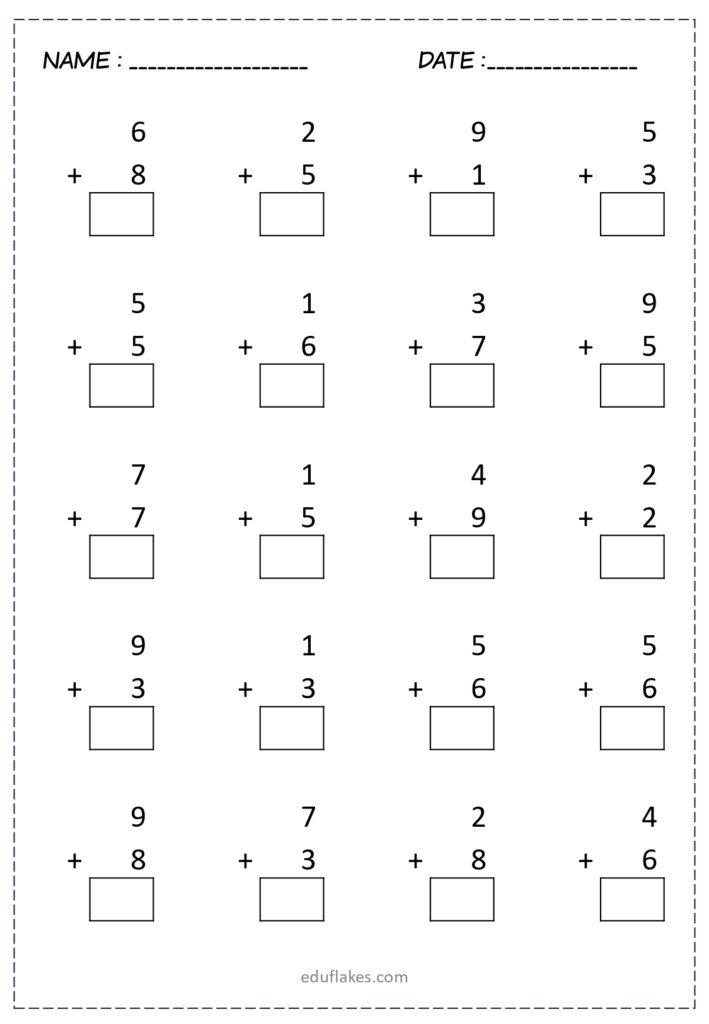
source: Home – Eduflakes
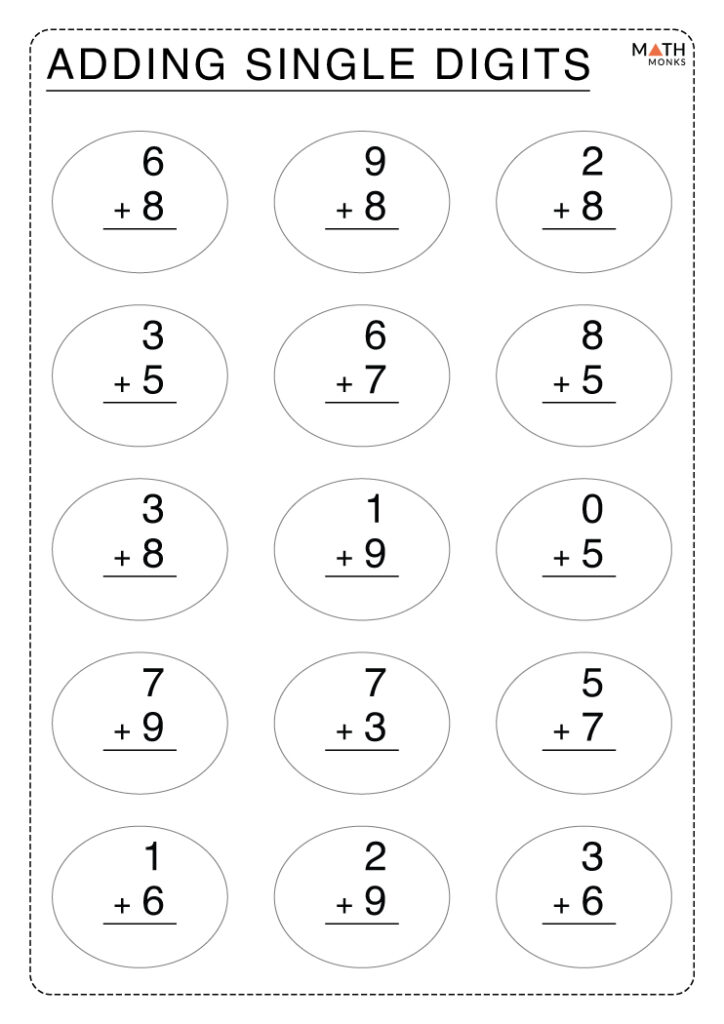
source: Math Monks
Manipulatives are a strong choice because first graders can see addition happen. Use counters, linking cubes, buttons, or ten frames to model problems like 3 + 2 or 6 + 4. Have students build one addend, add the second group, and count the total. This supports learners who need concrete visuals before moving to numbers alone. To keep it classroom-friendly, give short directions and repeat the same structure with different facts so the math, not the setup, stays the focus.
Games and Partner Work
Simple games and partner activities add energy without losing the skill goal. Try roll-and-add, spin-and-cover, or matching cards with picture sums. In pairs, one child can make a problem with dice while the other solves it using fingers or counters. These activities work well for sums within 10 and can stretch to within 20 when children are ready. They also give built-in repetition, which helps facts stick. Keep rules brief, turn-taking clear, and game boards uncluttered.
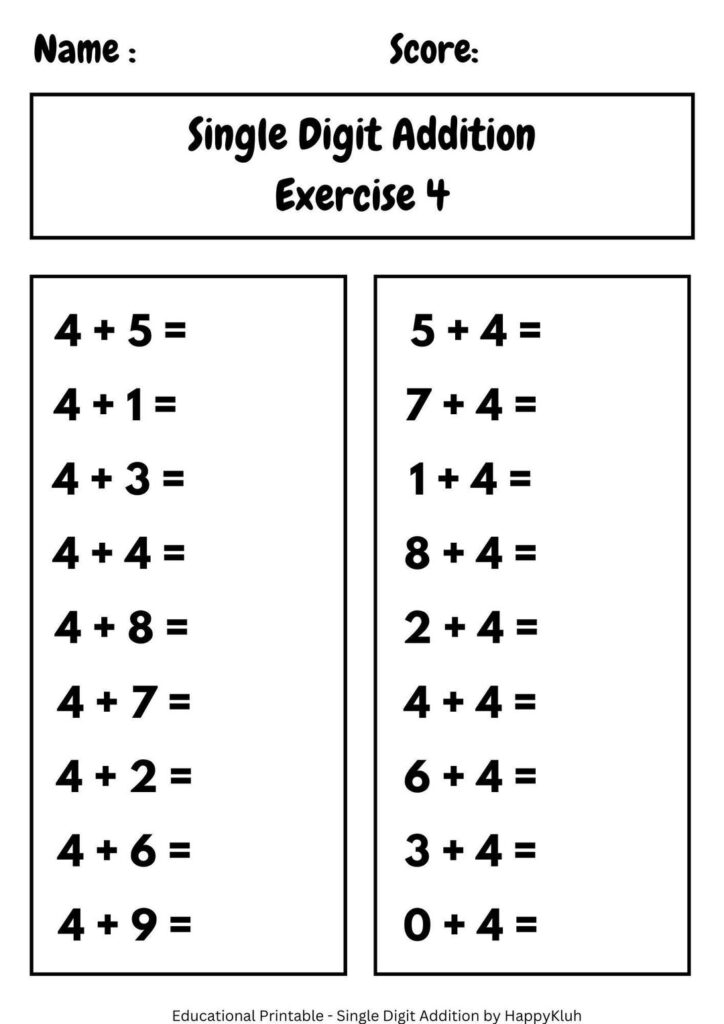
source: Etsy
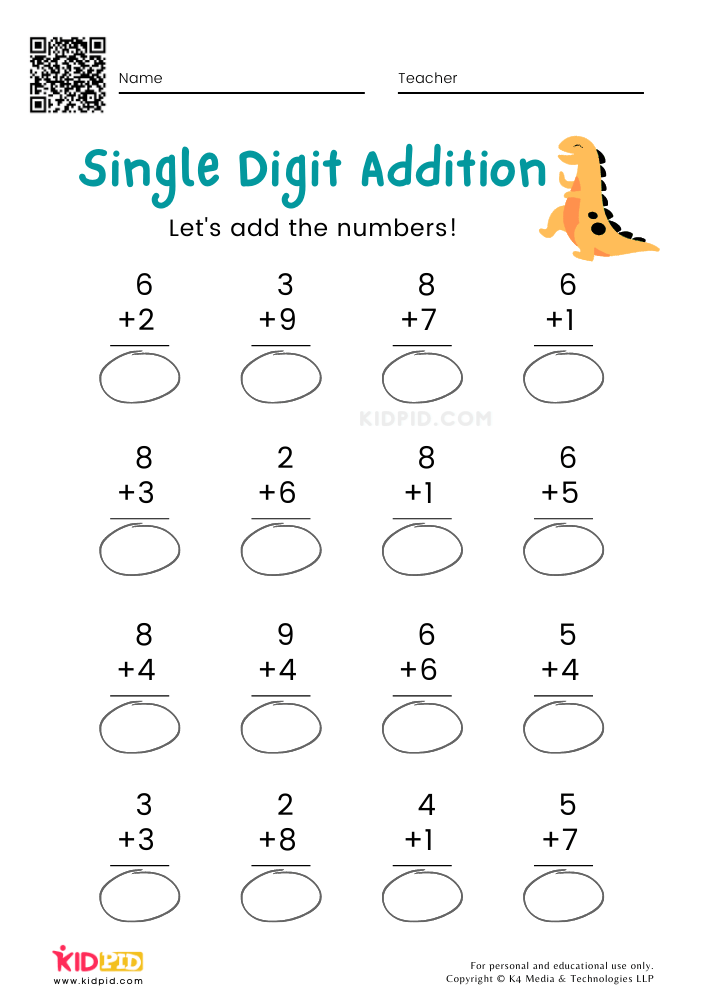
source: Kidpid
Worksheets are most effective when they include pictures, number bonds, ten frames, or color-coded spaces that guide young learners. A first grader may solve the same fact several ways on the page: circle the objects, count the dots, then write the sum. That repetition strengthens understanding without adding new content. For differentiation, offer fewer problems, larger spaces, or facts within 10 for support, and a second version with sums within 20 for students who are ready.
A good next step is to rotate one hands-on activity, one game, and one worksheet during the week.