1st Grade Multiplication Cut And Paste Activity
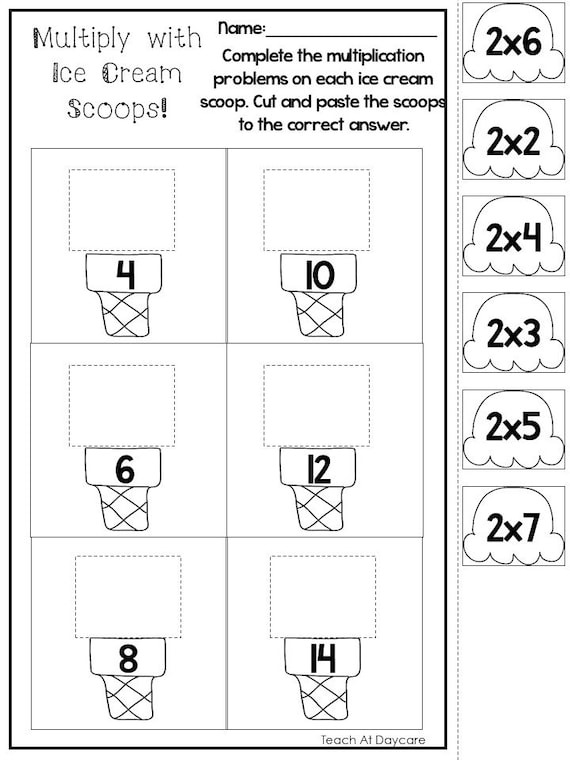
A 1st grade multiplication cut and paste activity should keep multiplication very simple and visual. For early learners, that usually means using small groups, repeated-addition ideas, pictures, or easy number matches rather than advanced times tables. The best version gives children a clear task, enough visual support, and a low reading load so they can focus on matching, sorting, and building number sense.
source: Etsy
Simple Math Practice
source: Free4Classrooms
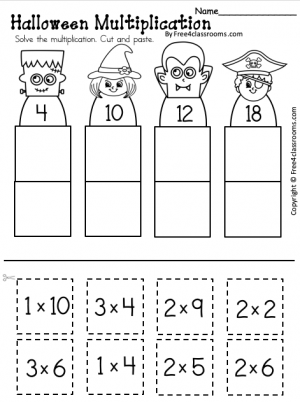
In a strong first-grade version, multiplication is introduced through basic patterns such as equal groups or picture matching. Students may cut out answer pieces and paste them next to a problem, or match a set of objects to the correct equation. This format works well because it connects numbers with images and gives children a hands-on way to see what “groups of” means. The activity should stay short and concrete, not crowded with text or advanced facts.
source: Teaching Second Grade's
source: Teach Starter
How the Activity Works
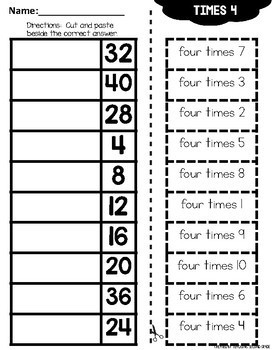
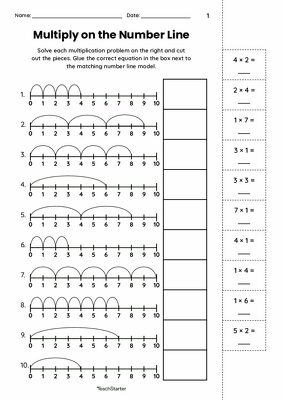
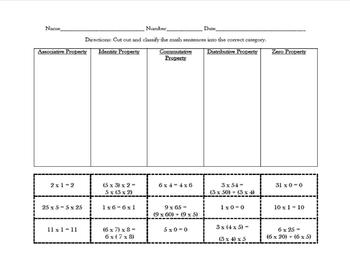
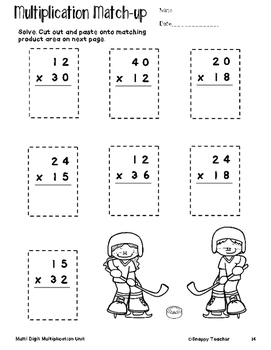
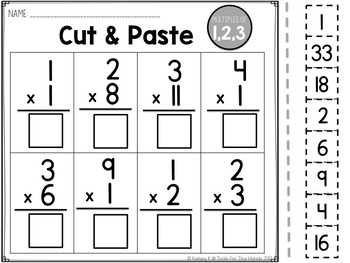
The cut-and-paste format is usually straightforward: students cut out small answer tiles, pictures, or number cards, then glue them onto the correct spaces. That structure helps first graders slow down and compare each problem carefully. A child might match a picture of two groups of three to the equation 2 + 2 + 2 or a simple multiplication expression if it is introduced. The goal is matching, not speed, so the worksheet should guide them with clear spaces and simple directions.
source: TPT
source: TPT
source: TPT
Age-appropriate design matters. First graders do best with short directions, large cut pieces, and only a few items on each page so the task feels manageable. The worksheet should also support basic number sense by using familiar counts, small groups, and easy-to-recognize visuals. If the page asks children to cut tiny shapes or read complicated instructions, it is probably too advanced. A good 1st grade multiplication cut and paste activity should feel simple, clear, and confidence-building from start to finish.