1st Grade Double Digit Addition Activities With Place Value
1st grade double digit addition activities should help children add two-digit numbers in a way that feels concrete and manageable. At this level, students need support with tens and ones, not just quick answers. The best activities let them build, draw, move, and explain numbers while also introducing simple regrouping when the ones add up to more than ten.
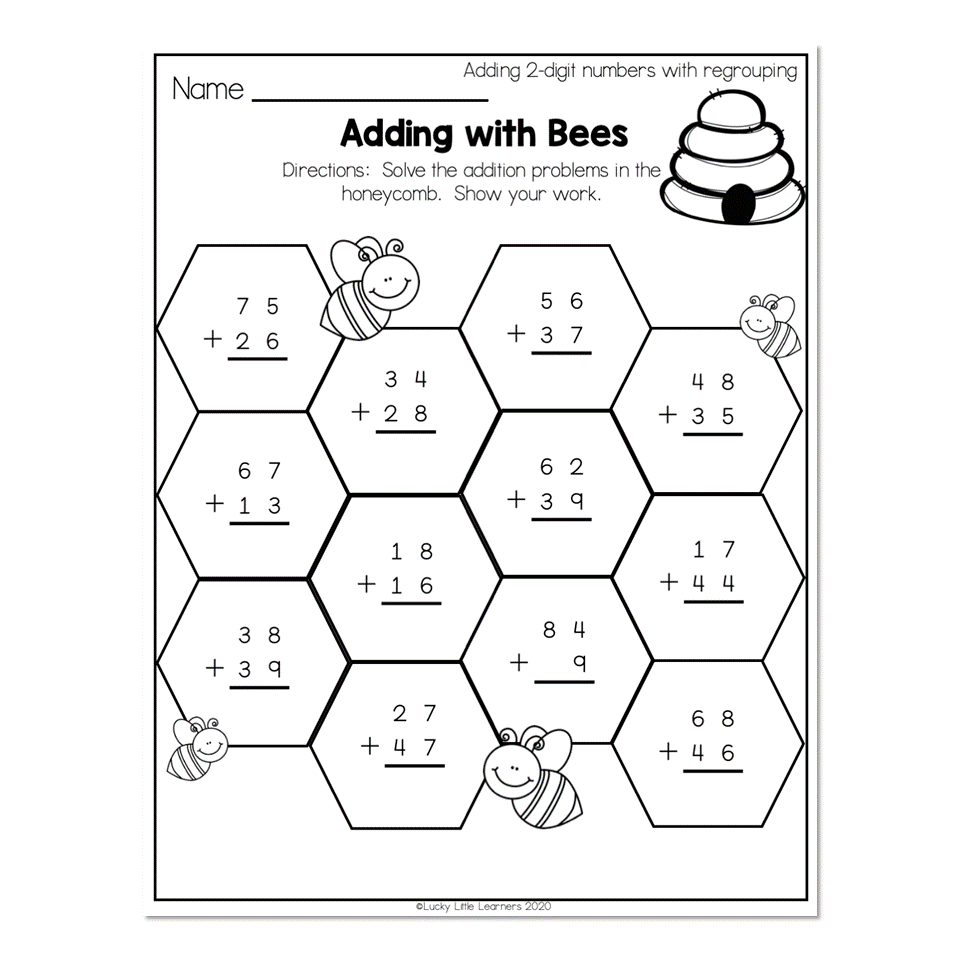
source: Shop – Lucky Little Learners
Base-Ten Building
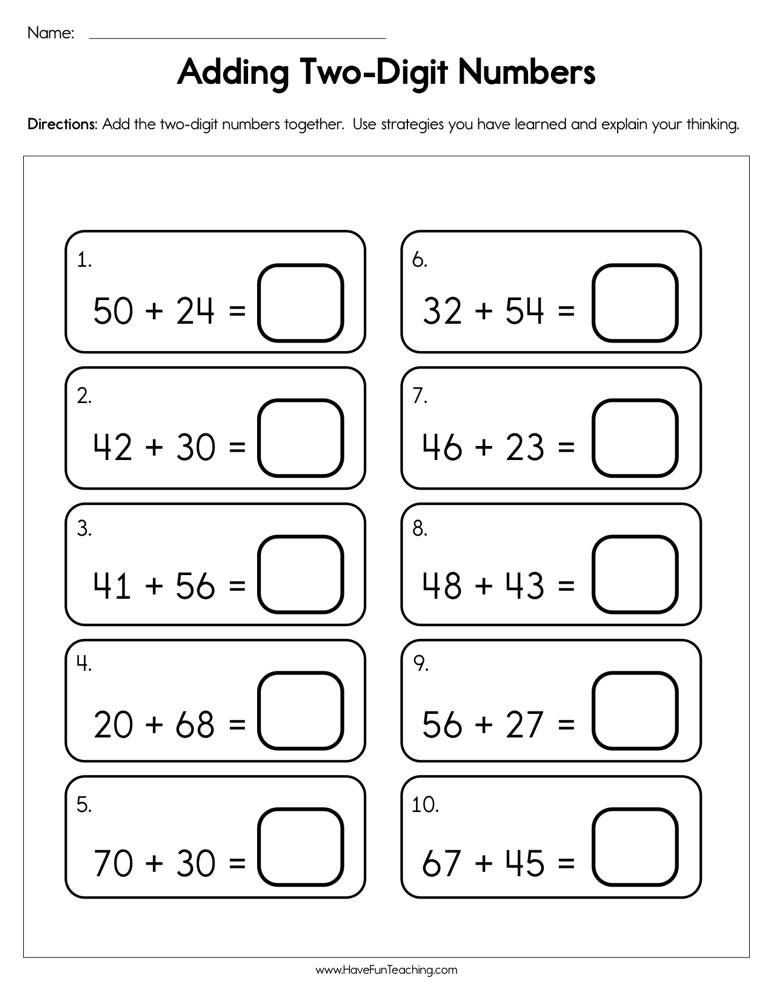
source: Teach Simple
A strong first-grade option is to use base-ten blocks or drawings of tens rods and ones cubes. Have students build each addend separately, then combine the blocks and count the total. This makes the place-value structure visible, especially when one group has enough ones to trade for a ten. For example, 24 + 13 can be shown as 2 tens and 4 ones plus 1 ten and 3 ones. Students see that the result is 3 tens and 7 ones, which supports understanding before memorizing steps.
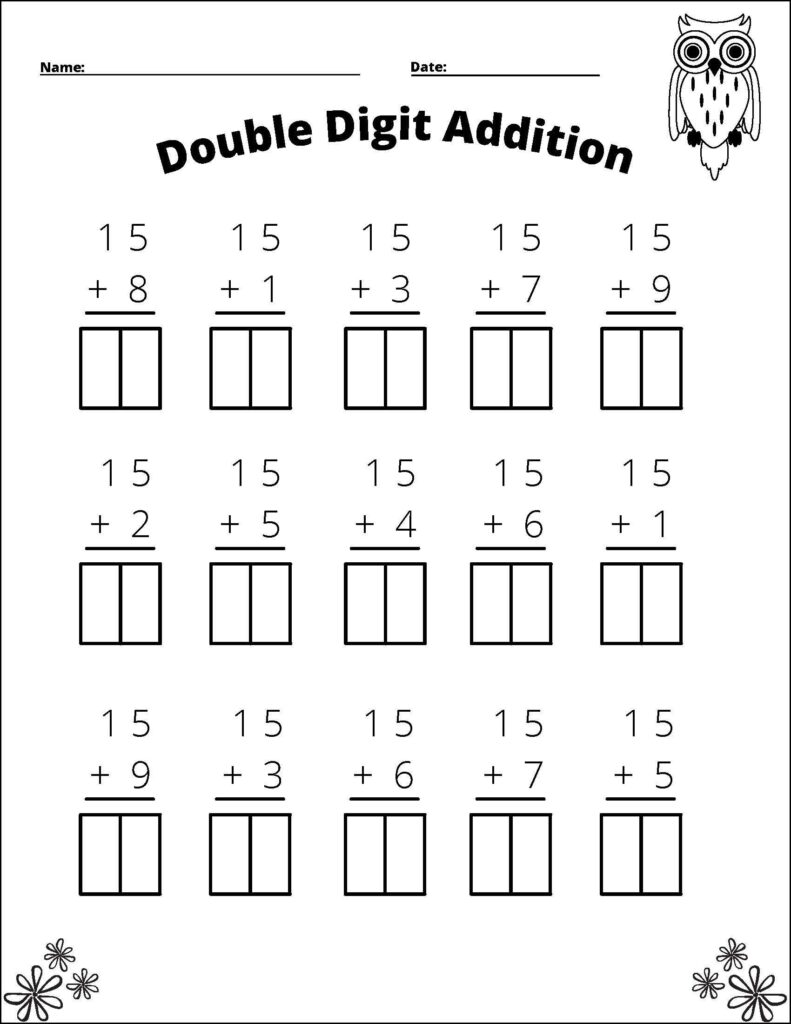
source: Etsy
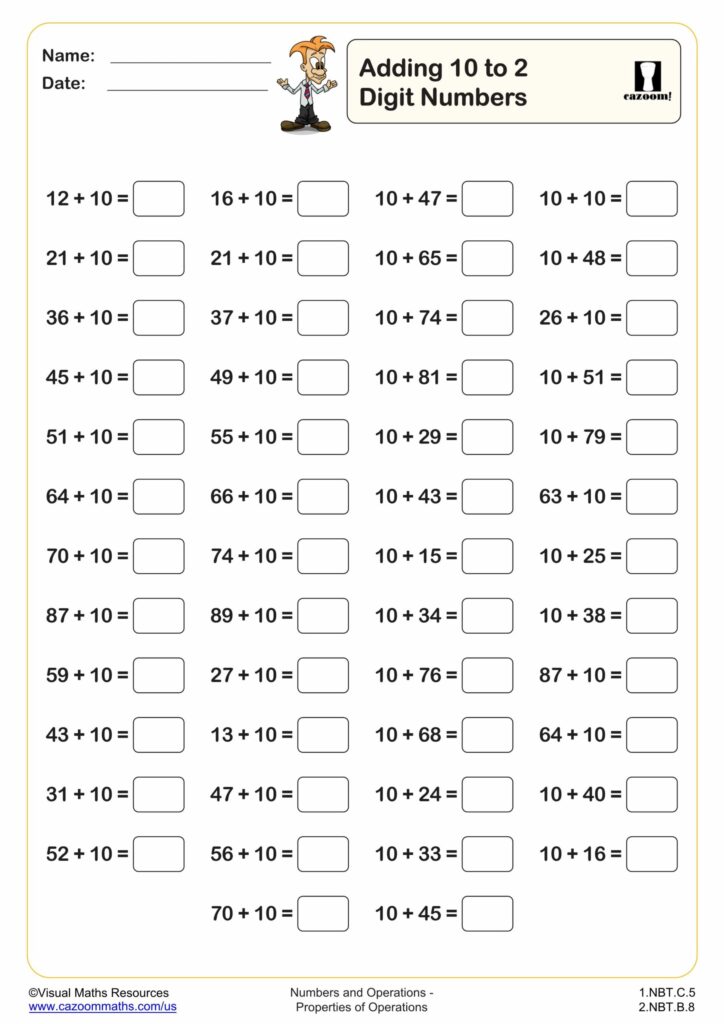
source: Cazoom Maths
Games and Practice
Simple games keep practice active without making the math feel rushed. Try roll-and-add with two-digit number cards, where students make two numbers and solve using a ten-frame or base-ten model. Another easy choice is a partner board game in which players move forward after solving an addition problem. To keep it first-grade friendly, use problems with sums that stay within a manageable range and include guided examples on the page or board. The goal is repeated practice with clear support, not speed alone.
source: TPT
source: 123 Homeschool 4 Me
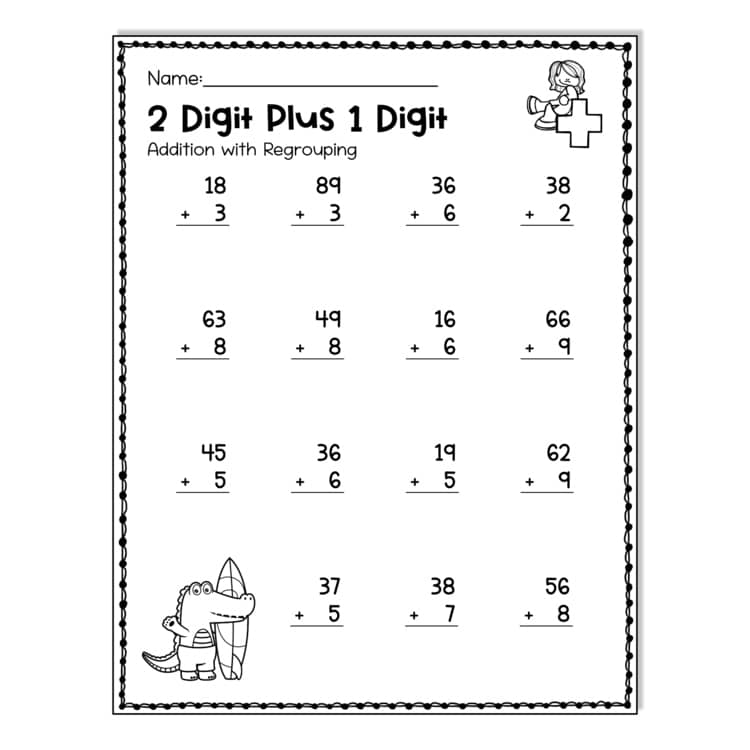
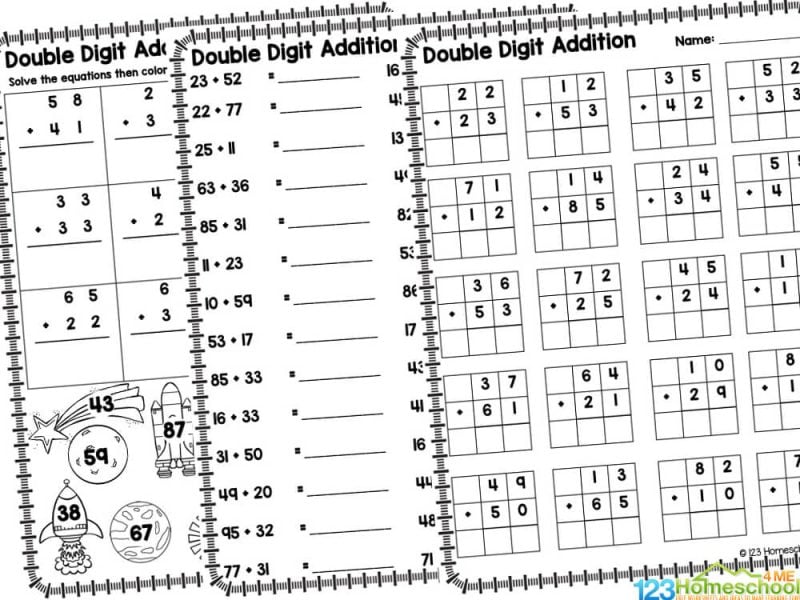
Worksheets can be useful when they include visual scaffolds such as tens and ones boxes, number lines, or space to draw quick pictures. The best versions ask students to label each number by place value first, then add the tens and ones. If regrouping appears, provide a prompt like “make a ten” and show one worked example before independent work. This keeps the task aligned to first-grade understanding. Used after hands-on practice, a worksheet can help students show what they know in a neat, structured way.