A good 13 colonies worksheet helps students do three things well: name the colonies, sort them into the New England, Middle, and Southern regions, and connect each one to its place on a map. The best versions keep directions simple and the tasks clear, so learners can practice recall, labeling, and basic geography without extra background reading.
source: Pinterest
Colonies to name and sort
source: Made By Teachers
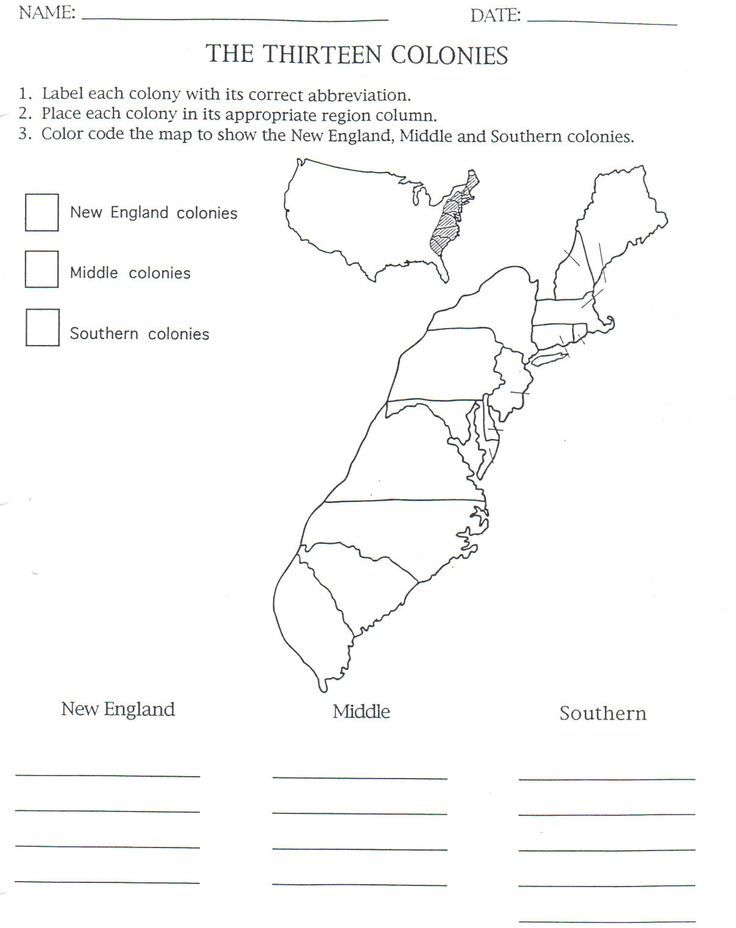
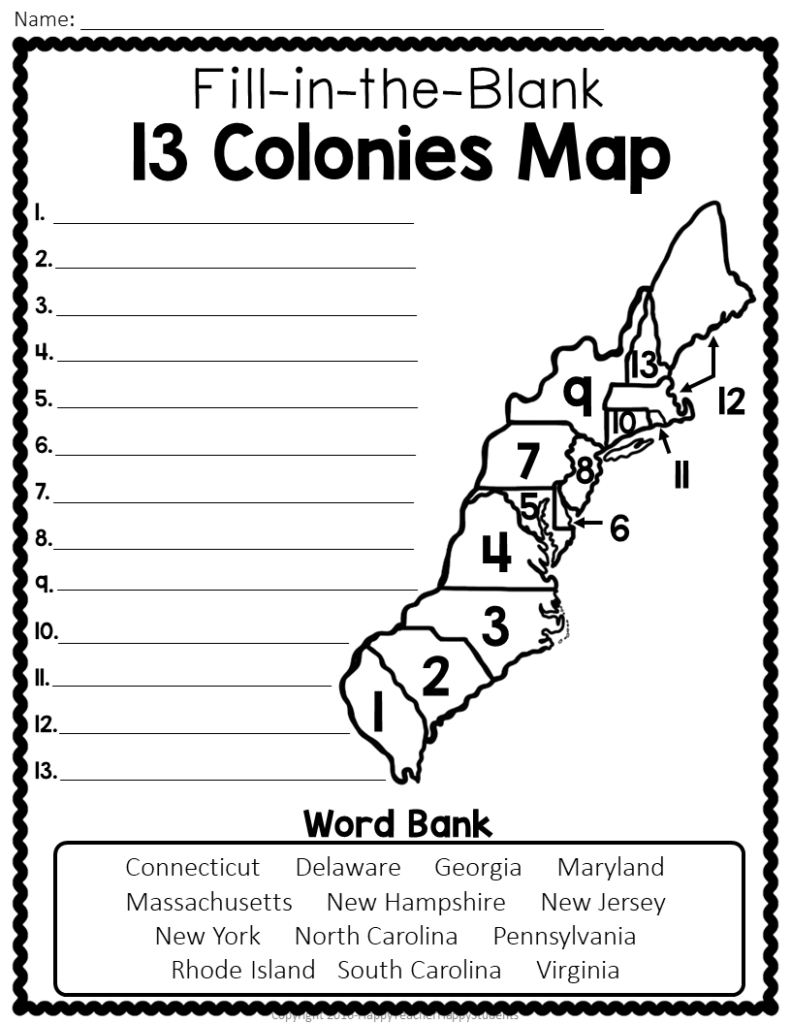
The worksheet should include all 13 colonies by name so students can identify them individually: Massachusetts, New Hampshire, Rhode Island, Connecticut, New York, New Jersey, Pennsylvania, Delaware, Maryland, Virginia, North Carolina, South Carolina, and Georgia. A useful format is a mixed list or word bank, followed by a sorting chart with the three colonial regions. That way, students can first recognize each colony and then place it in the correct group. This supports both memorization and organization, which is especially helpful in social studies review.
source: Classful
Map and labeling practice
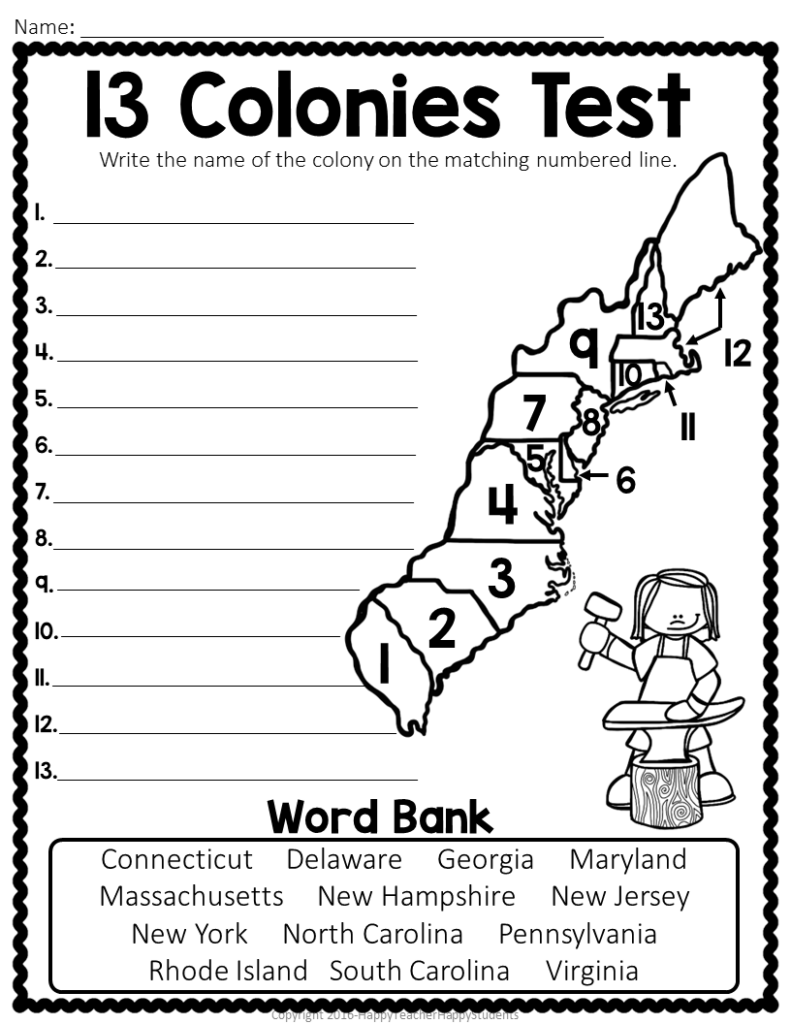
A strong worksheet also gives simple map work tied to colonial locations. Students might label a blank colonial map, write colony names in the correct coastal areas, or match numbers on a map to a name list. The focus should stay on broad placement, not detailed border study. Clear directions matter here: for example, “Write each colony in the correct region” or “Label the colonies shown on the map.” These instructions make the page usable for independent work, partner practice, or quick check-ins during class.
To keep the worksheet classroom-friendly, the directions should be brief and direct. Students should know whether they are filling in blanks, sorting names, labeling a map, or doing all three. Teachers may also want an answer key that shows the correct region grouping and the expected colony labels. When a worksheet combines naming, sorting, and map identification in a single page, it gives students a clear way to show what they know about the 13 colonies. That makes it a practical review tool for classwork, homework, or assessment preparation.