A4 Size Printable Alphabet Letters For Classroom Use
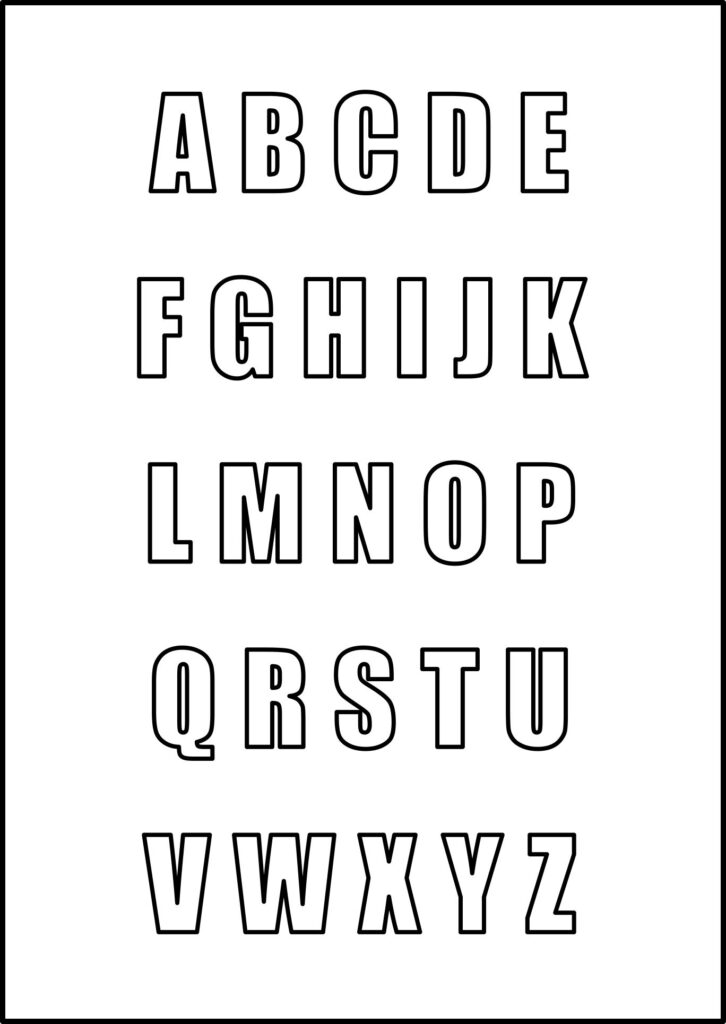
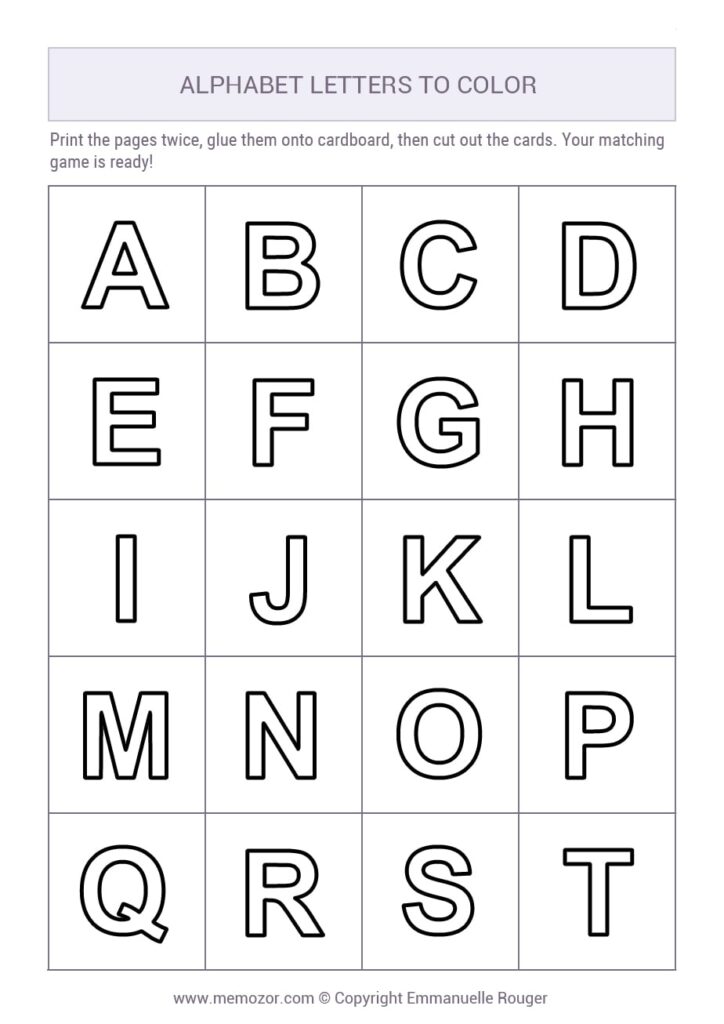
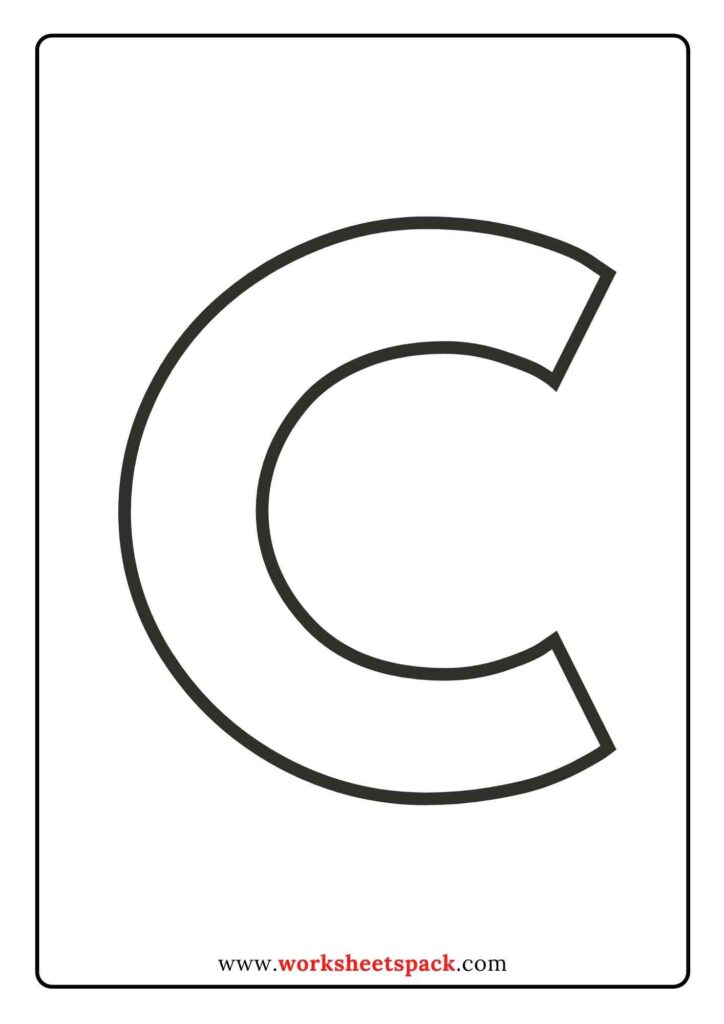
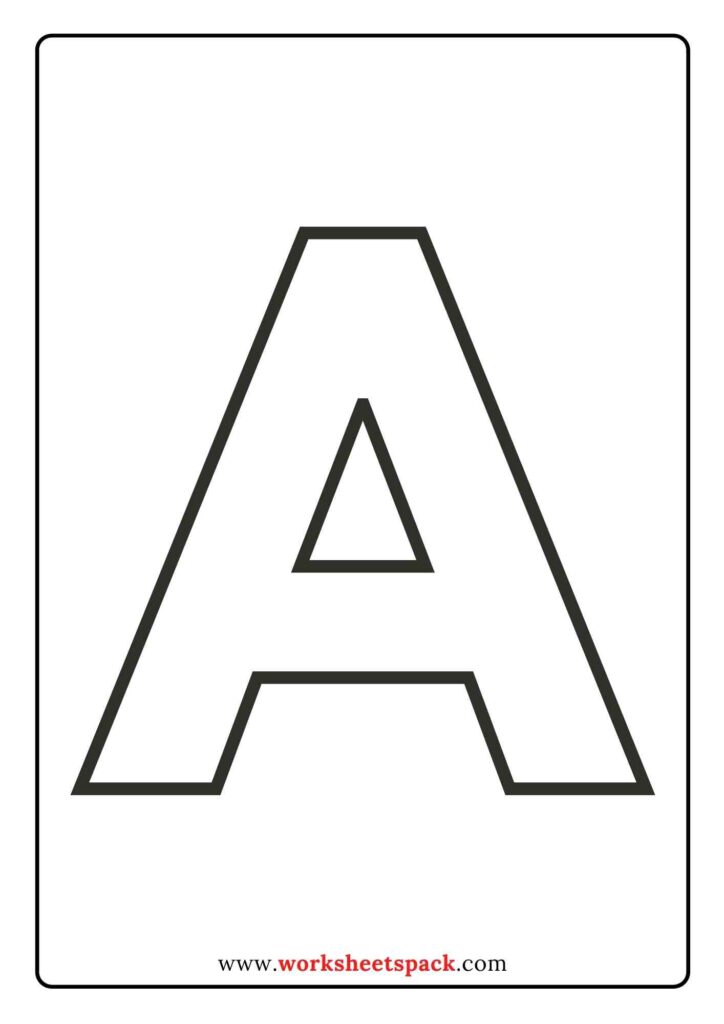
A4 size printable alphabet letters are designed to print at the exact dimensions of an A4 sheet, so the letters look consistent for signs, labels, tracing pages, and classroom displays. The key is not just the design itself, but how the file is set up for printing. When page size and scaling are correct, the letters appear at the intended size and are easier to use for learning materials or craft-ready resources.
What A4 Size Means
source: www.printablee.com
source: www.memozor.com
A4 is a standard paper size measuring 210 × 297 mm, or about 8.27 × 11.69 inches. For printable alphabet letters, that means the page layout is built around those dimensions, so the letters are positioned to fit the full sheet without being stretched or cropped. This matters because even a small mismatch in page size settings can change the letter size, spacing, or margins. If you want the letters to match a worksheet, poster, or display board accurately, the document should be formatted specifically for A4 rather than another paper standard.
Printing Without Scaling
To print alphabet letters at true A4 size, open the file in a program that supports page-size control and choose the A4 paper setting before printing. Turn off options like “Fit to page,” “Shrink to printable area,” or “Scale to paper size” unless the file instructions specifically say otherwise. Printing at 100% or “actual size” usually keeps the letters closest to the original layout. It also helps to check print preview, since some printers default to a different paper size and can shift the margins or reduce the design slightly.
source: worksheetspack.com
source: worksheetspack.com
source: nationwideloghomes.com
The file format affects how sharp the letters look when printed. PDF is often the safest choice because it usually preserves page size, layout, and font rendering. High-resolution image files can also work, but low-resolution graphics may look blurry, especially if enlarged or printed on a full A4 page. Before printing, check that the lines are crisp and the letters are not pixelated. For best results, use files made for print rather than screen-only images, since print-ready formatting helps the alphabet letters keep their intended shape and clarity.