3rd Grade Triple Digit Addition Activities That Build Skill
3rd grade triple digit addition activities work best when they help students see place value, regrouping, and the reason each step matters. The most effective activities are simple, hands-on, and easy to repeat so children can practice with confidence. A small set of focused routines can make three-digit sums feel manageable instead of overwhelming.
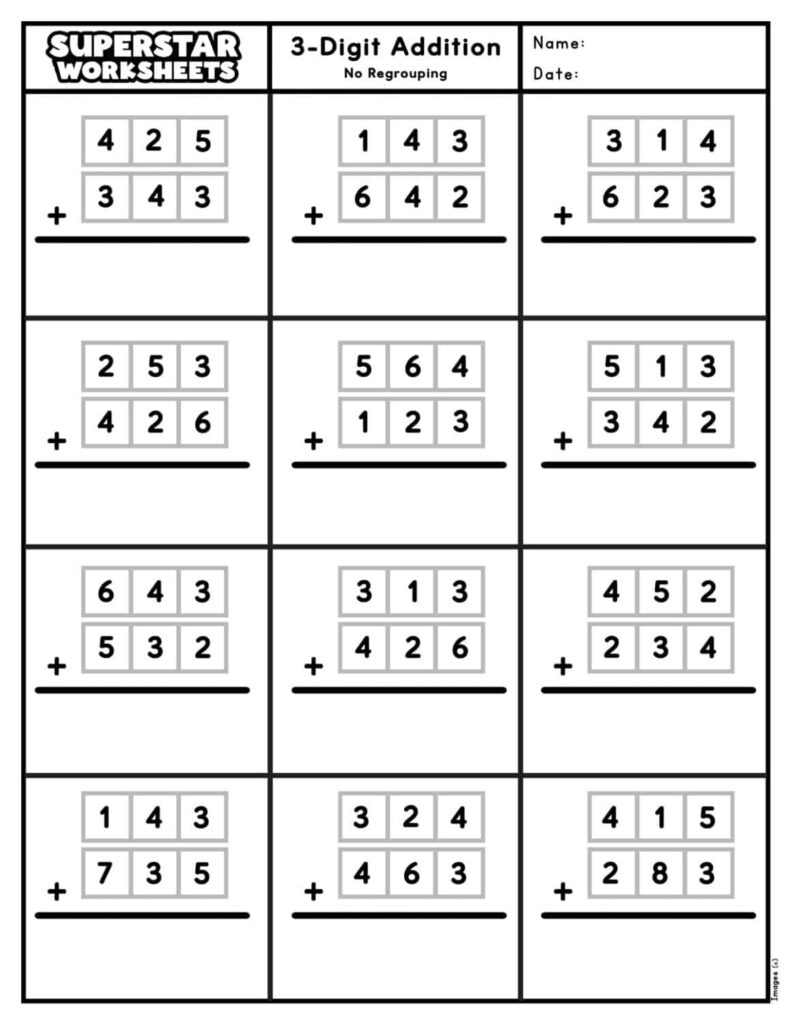
source: Superstar Worksheets
Place-Value Build and Add
Use base-ten blocks, place-value disks, or drawn hundreds, tens, and ones to build each addend before adding. Students physically combine ones, then tens, then hundreds, which makes regrouping visible instead of abstract. For example, 268 + 154 becomes a concrete model they can touch and explain. Keep the numbers neat and aligned in columns. For more support, start with no regrouping and fewer problems; for extra challenge, ask students to record the modeled sum independently after building it.
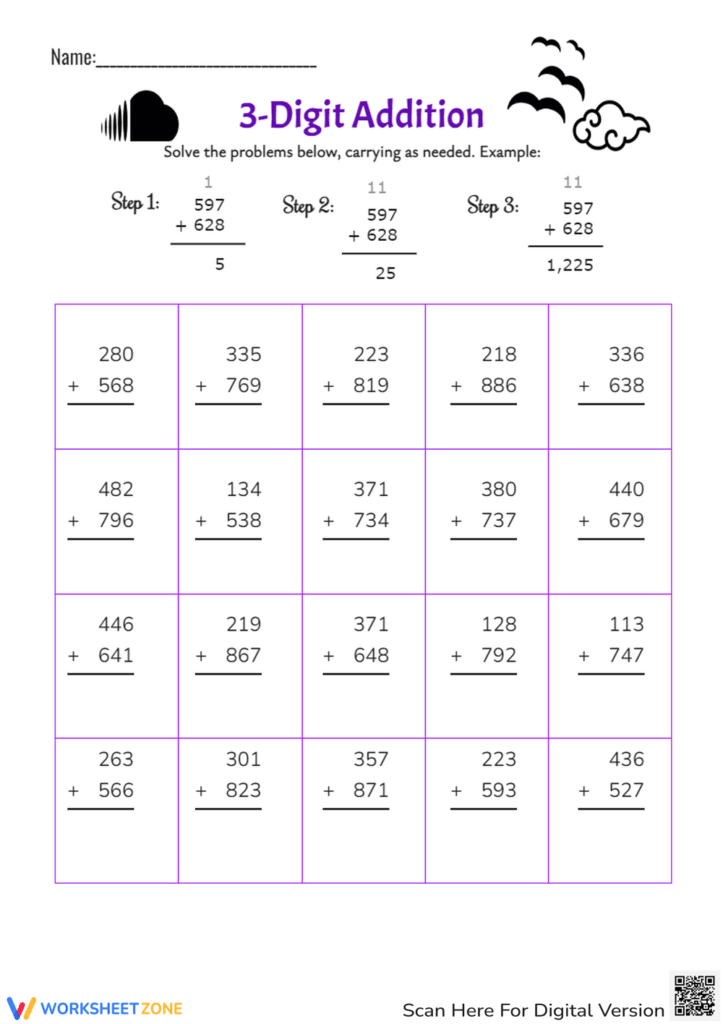
source: Worksheetzone
Roll, Write, Regroup
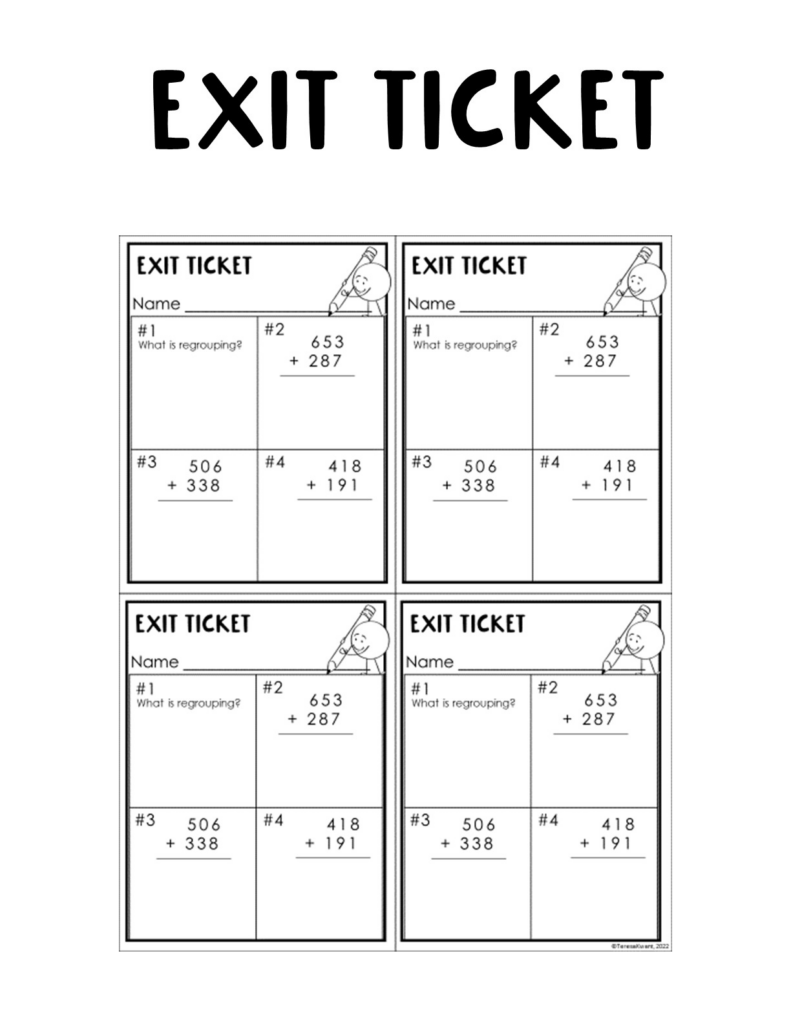
source: Teresa Kwant
In this quick game, students roll three dice or draw digit cards to create two three-digit numbers, then add them on paper. The random numbers keep practice fresh, while the written work reinforces alignment and regrouping across ones, tens, and hundreds. Have students explain any carried number aloud to connect the step to place value. To lower difficulty, allow a place-value chart or use only two-digit plus three-digit examples first. To raise it, require an estimate before adding or ask students to check with a second strategy.
Task cards and matching games give students repeated practice without feeling repetitive. One option is to match a problem card with the correct sum card, then explain where regrouping happened. Another is a simple scoot or center activity with a recording sheet so students solve several three-digit sums in short bursts. These formats help children notice patterns in regrouping and build speed with accuracy. For support, include answer choices or color-coded place values. For more independence, remove hints and ask students to justify each answer in words.