3d Shapes Preschool: Simple Shape Ideas For Kids
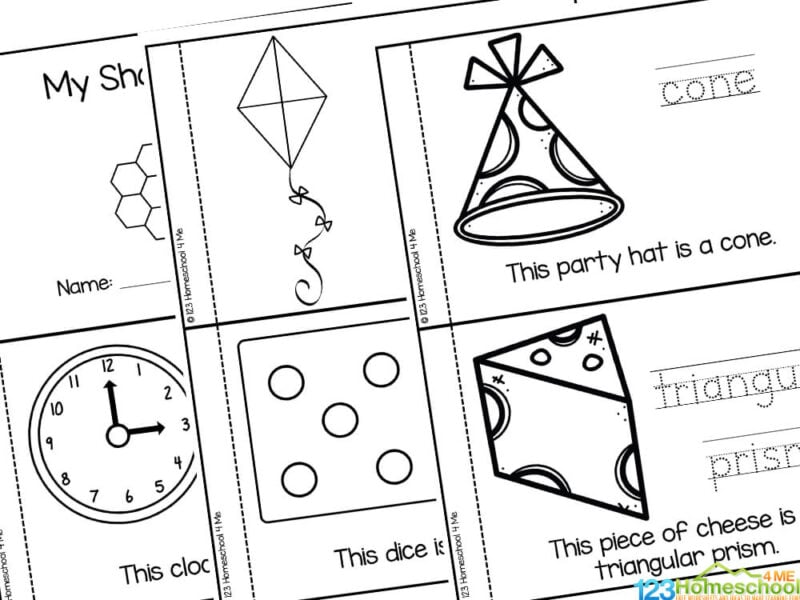
3d shapes preschool lessons can start with things children already know. A 3D shape has depth, so it is not flat. Kids can hold it, roll it, stack it, or build with it. Using familiar objects helps preschoolers notice shape in the world around them and begin naming each one with confidence.
source: www.123homeschool4me.com
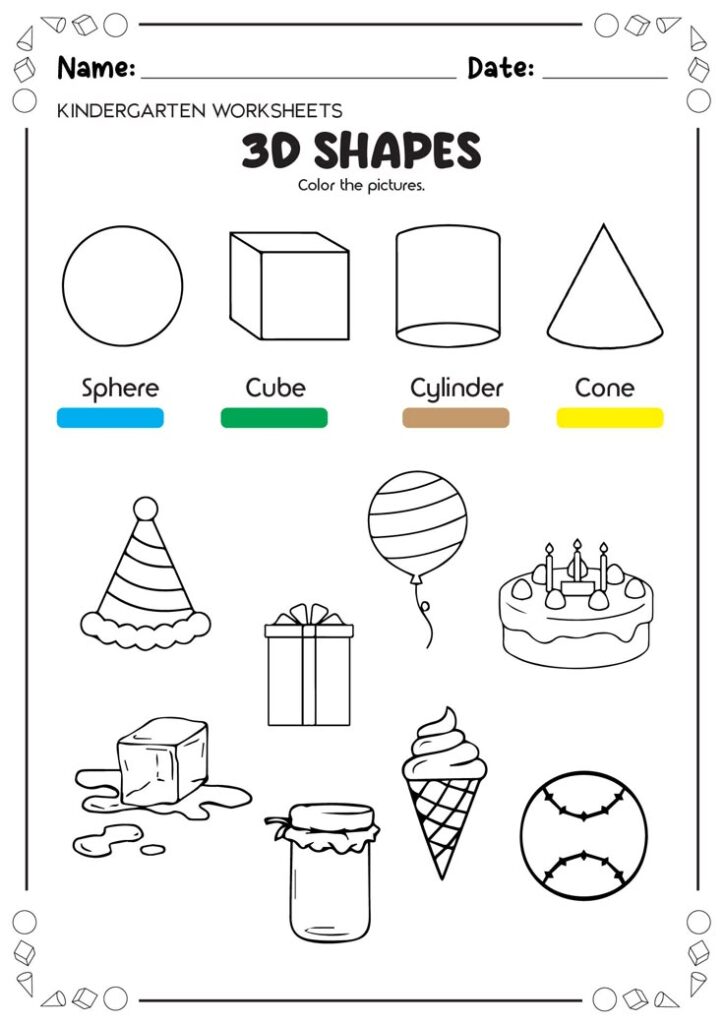
A cube is a shape with six equal square sides, but preschoolers do not need that detail. It is enough to say a cube looks like a box and can be stacked because its sides are flat. A tissue box or a small block is a helpful example. Children can notice that cubes do not roll easily. That makes them easy to pile up, line up, and build into towers during play.
Sphere, cylinder, and cone
source: es.pinterest.com
source: jp.pinterest.com
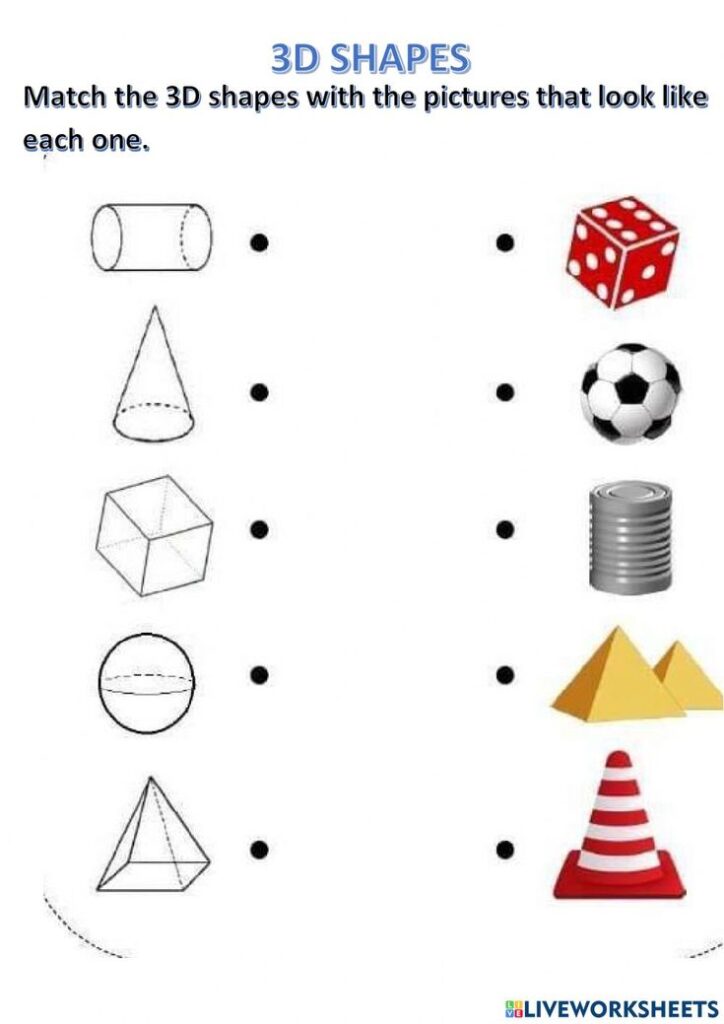
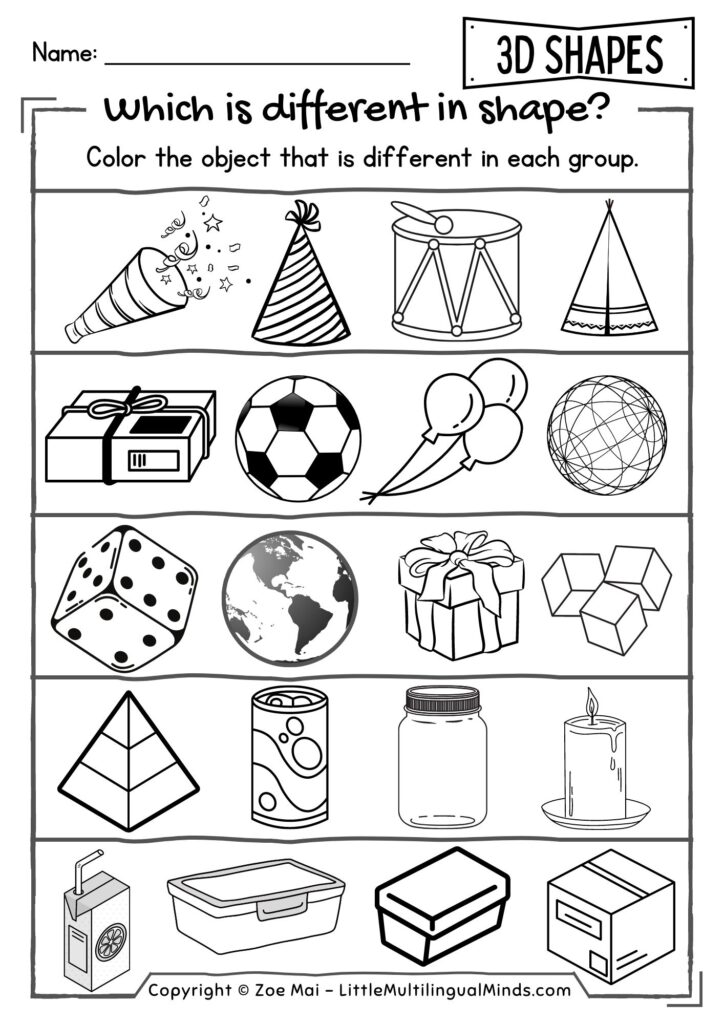
A sphere is round all the way around, like a ball or an orange. It rolls easily in every direction. A cylinder is like a soup can or a paper towel roll. It can roll too, but it also has flat top and bottom surfaces. A cone, like an ice cream cone or party hat, has a pointed top and a round base. Preschoolers can feel these shapes and notice which ones move, tip, or stand still.
source: madebyteachers.com
Rectangular prism examples
A rectangular prism looks like a longer box or a brick. A cereal box, book, or shoebox are easy examples. Preschoolers can see that it has flat faces and straight edges, and they often notice it stacks well like a cube. You can point out that some shapes, like spheres, roll, while rectangular prisms are better for building and lining up. That simple observation helps children sort shapes by what they can do.
When teaching these shapes, keep the language simple and repeat the same examples often. Invite children to touch real objects, turn them in their hands, and describe what they notice: round, flat, pointy, rolls, or stacks. Short, playful noticing is enough for preschoolers. The goal is not memorizing rules, but helping them connect shape names with objects they see every day.