1st Grade Subtraction Mazes For Easy Math Practice
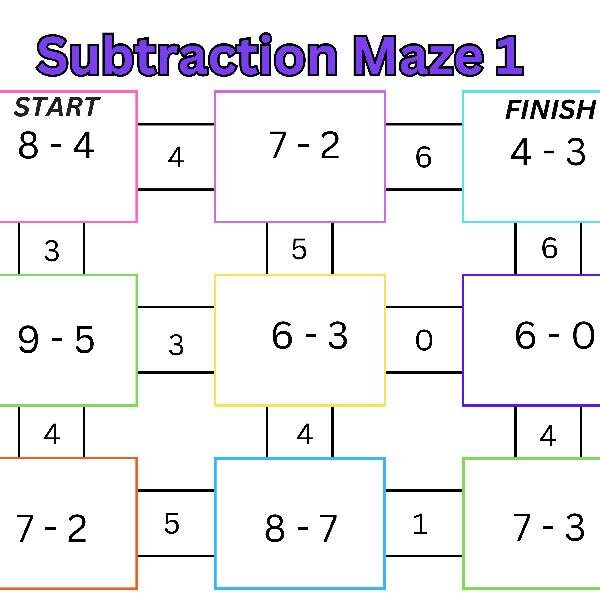
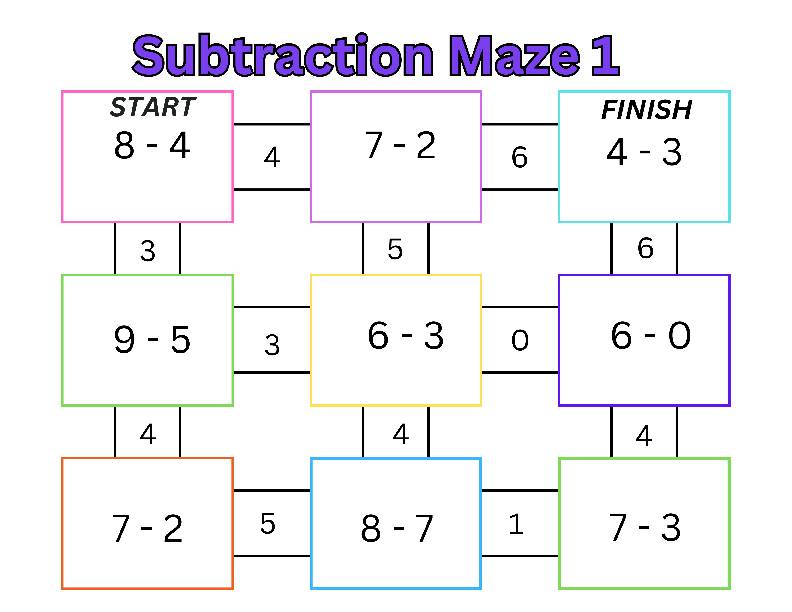
1st grade subtraction mazes turn basic subtraction practice into a simple path-finding activity. Students solve a problem, look for the matching answer, and follow that path to the next box. Because the work stays visual and predictable, these mazes can support early subtraction fluency without feeling overwhelming. They are especially useful when you want short, focused practice with clear directions and a built-in sense of progress.
source: Classful
For first graders, the best subtraction mazes usually target small numbers and basic facts within 10, or sometimes within 20 if the child is ready. The problems should use clear subtraction sentences with simple single-digit answers, such as 8 − 3 or 6 − 2. At this level, the goal is not speed or complex strategy use. It is recognizing subtraction as taking away and finding the next answer in a manageable sequence of problems.
How the maze works
source: skoolgo
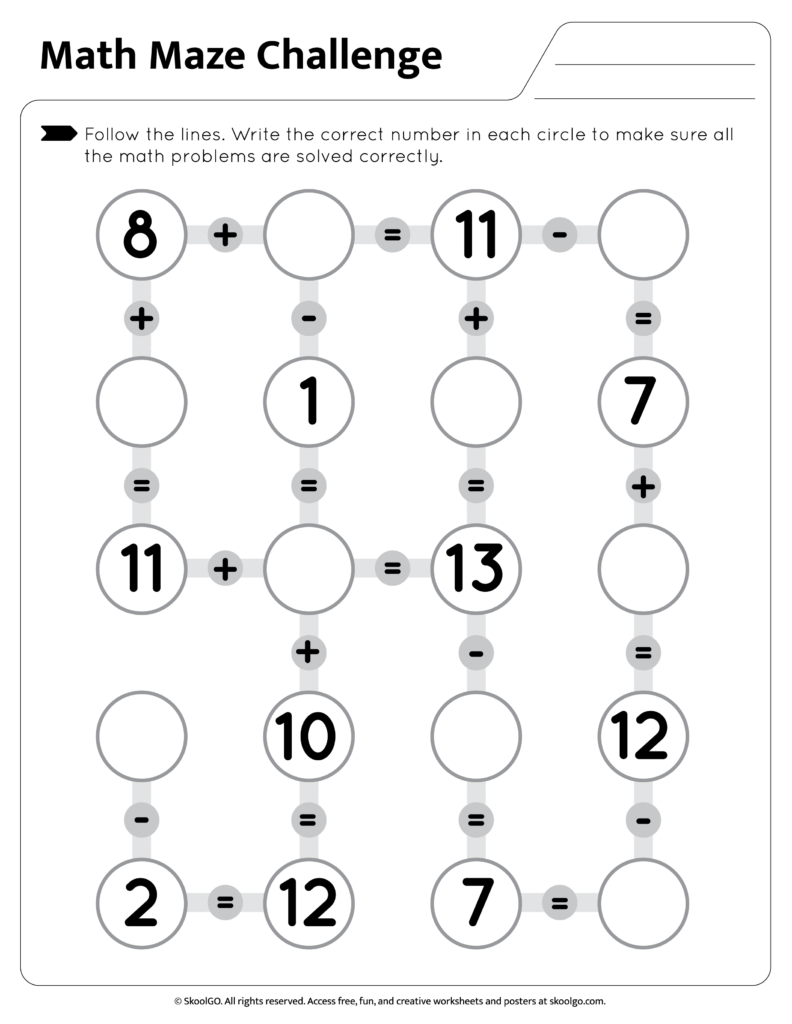
A subtraction maze works best when the directions are short and easy to follow: solve the first problem, find the box with the correct answer, then trace, color, or move to that space. The path should be obvious enough that children can work independently after a brief model. This format makes it useful for independent seatwork, math centers, or homework because students can check each step as they go. It also gives immediate feedback, since a wrong answer usually sends them off the path quickly.
What makes it first grade friendly
Age-appropriate subtraction mazes should be readable at a glance. Use large numbers, simple fonts, and enough spacing so first graders do not feel crowded by the page. Keep the problem count modest so the activity finishes in a reasonable amount of time, and avoid pages packed with too many choices. A good first-grade maze often includes one clear path, limited distractions, and directions that can be understood after one teacher explanation or parent reminder.
When using subtraction mazes at home or in class, give children a pencil, crayons, or a marker and ask them to say each subtraction fact aloud if helpful. For independent practice, a maze can be used after direct instruction to reinforce a skill already taught, not as a first introduction to subtraction. If a child finishes quickly, invite them to explain how they found the answers. Used this way, 1st grade subtraction mazes are a simple, effective way to practice early math with confidence.