100 Chart Free Printable For Kids And Classrooms
A 100 chart free printable is a quick, simple tool for helping children see numbers from 1 to 100 in order. It can support counting, number recognition, and pattern spotting without adding extra setup. The best version depends on the goal: a filled chart for reference, a blank chart for practice, or a missing-number chart for a little more challenge.
What a 100 chart is
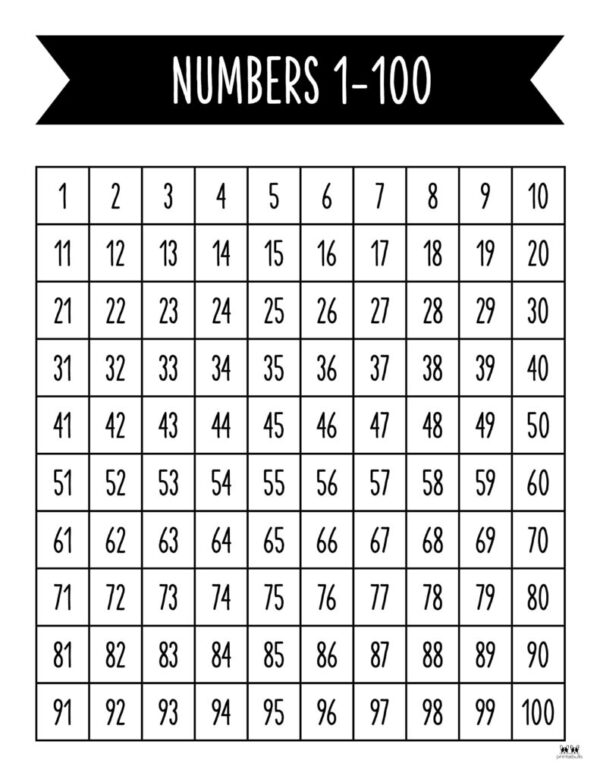
A 100 chart is a grid of numbers arranged in rows of ten, usually starting with 1 and ending with 100. People use it to show number order, reinforce place value, and make counting patterns easier to notice. Because the numbers line up vertically and horizontally, it also helps children see what comes next, what comes before, and how tens groups work. For many learners, that visual structure makes math feel more concrete than a simple list of numbers.
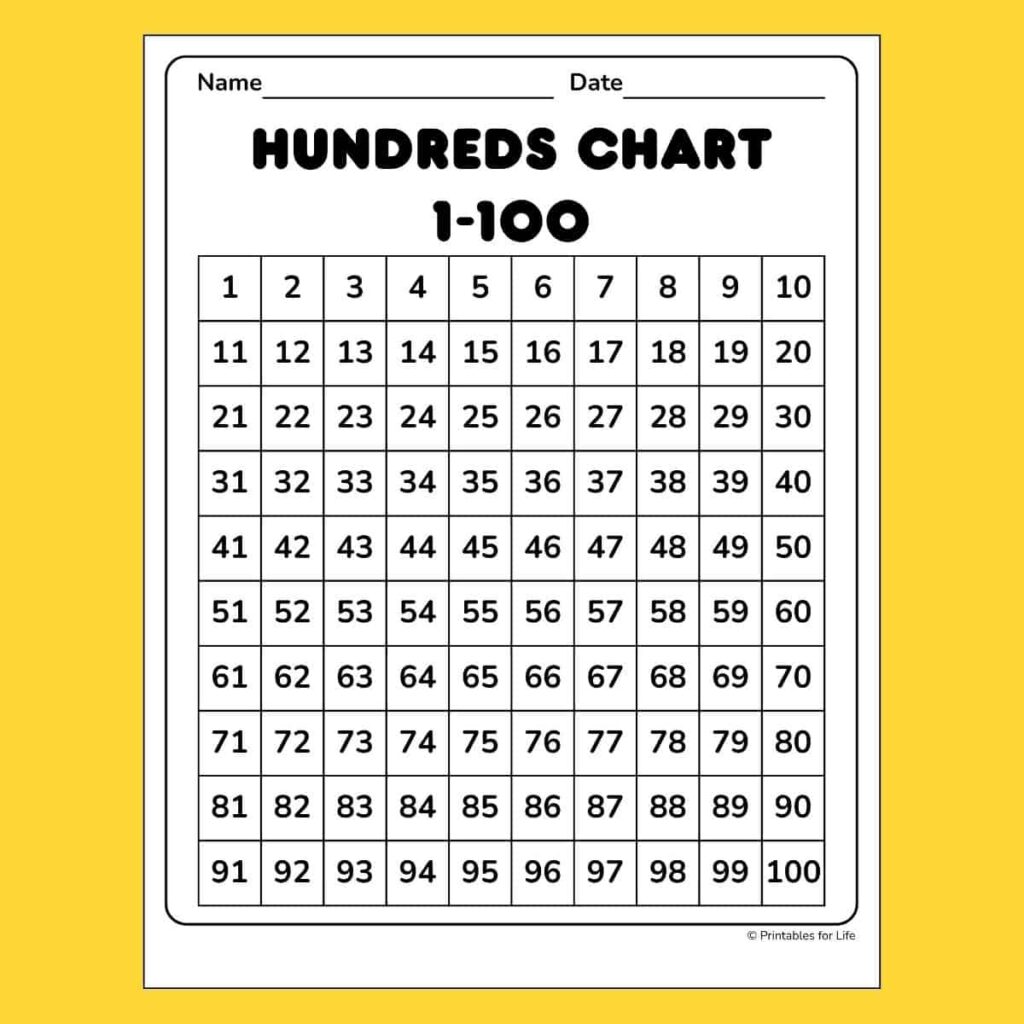
source: Printables For Life
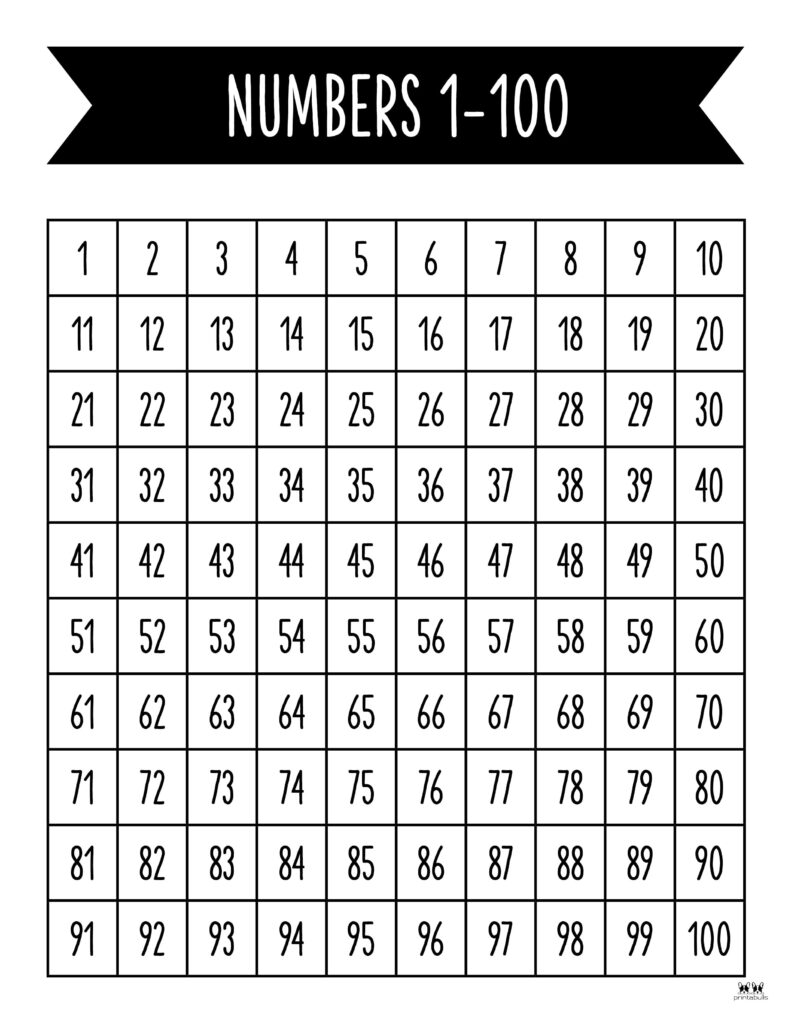
source: Printabulls
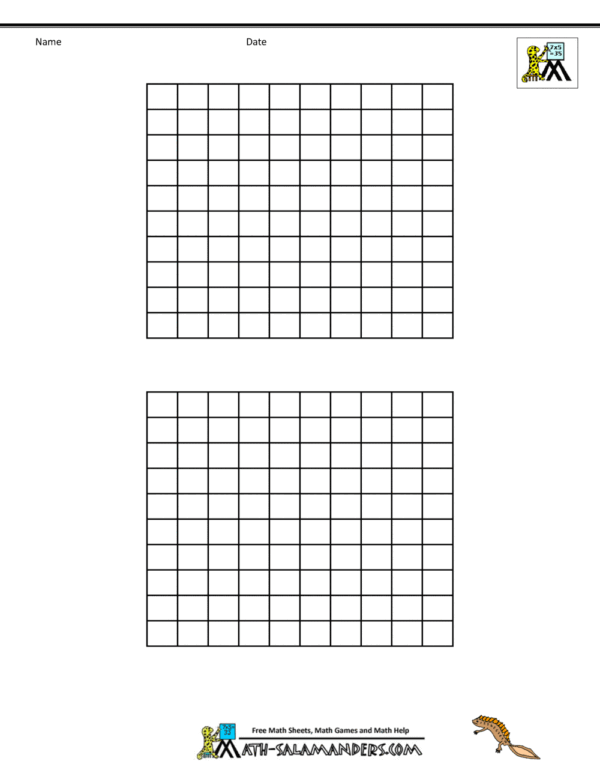
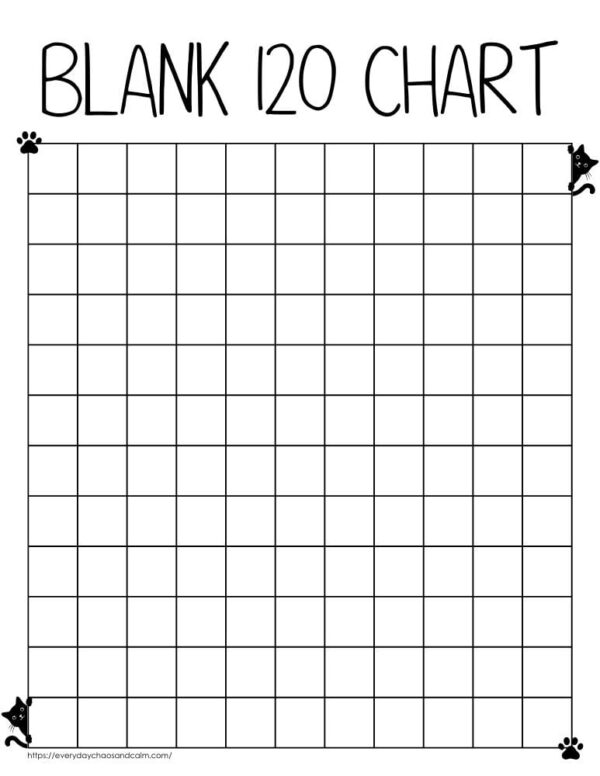
The most useful printable versions are easy to tell apart. A filled chart works well for quick reference, classroom walls, or guided counting. A blank chart is better when a child needs to fill in numbers independently. Color-coded charts can highlight tens, odds, evens, or patterns that support skip counting. Missing-number charts add a bit of challenge and are useful for checking whether a child understands number order, not just memorizing a sequence.
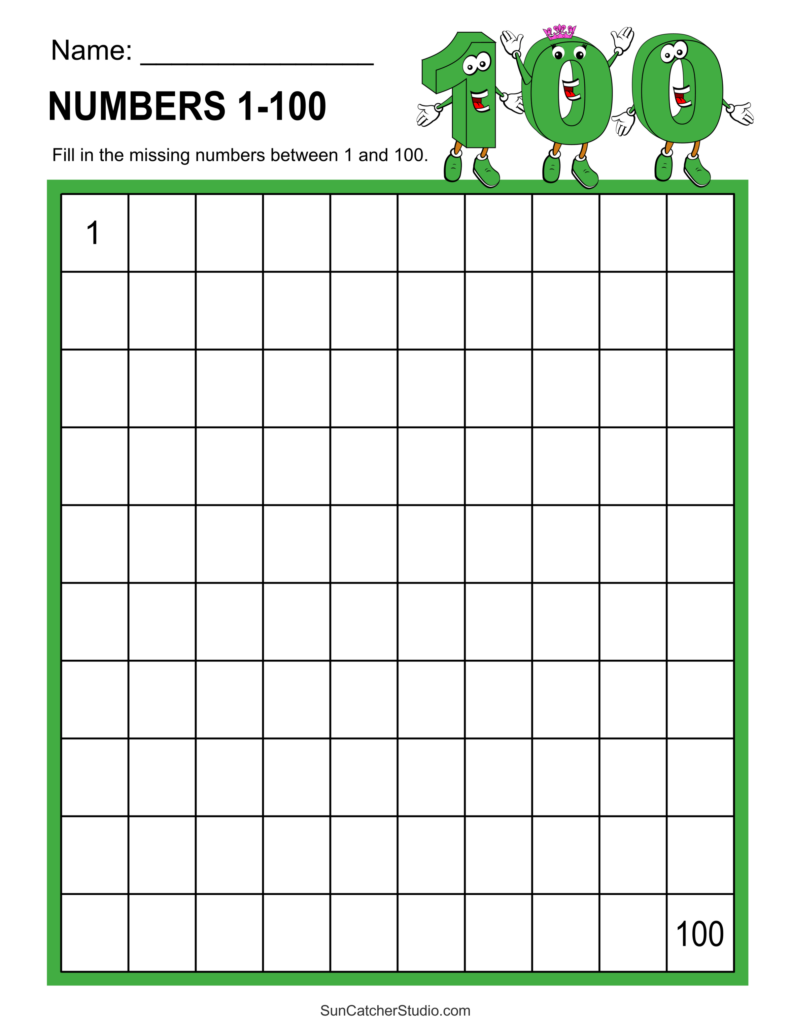
source: Suncatcher Studio
Choosing the right format
Match the chart to the task. For early counting practice, a filled 100 chart gives immediate support. For number recognition, a blank version helps children name and write numbers on their own. For skip counting by 2s, 5s, or 10s, a color-coded chart can make the pattern easier to spot. If the child is ready for problem solving, choose a missing-number chart so they must use the sequence rather than simply follow it.
When you print one, look for a clear layout with large numbers, evenly spaced boxes, and enough contrast to read easily. A simple black-and-white chart is often best if you want to reuse it in different ways, while a color version can make the structure more obvious at first glance. For most uses, the right 100 chart free printable is the one that matches the child’s current skill level and the exact job you want it to do.