10 frame worksheets give young learners a simple visual way to explore numbers within ten. Each frame holds two rows of five boxes, and children fill the boxes with dots, counters, or pictures to show a number. That structure makes it easier to see how many are present, how many are missing, and how numbers can be built in different ways. They are especially useful for early counting practice and number recognition.
How ten frames work
source: MegaWorkbook
source: Sea of Knowledge
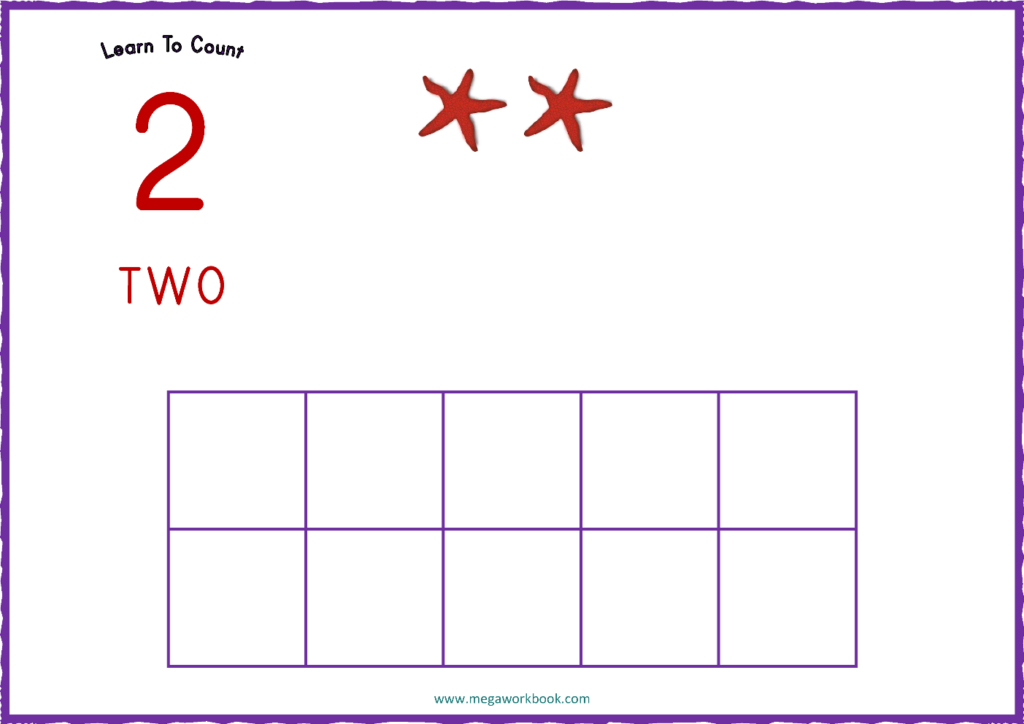
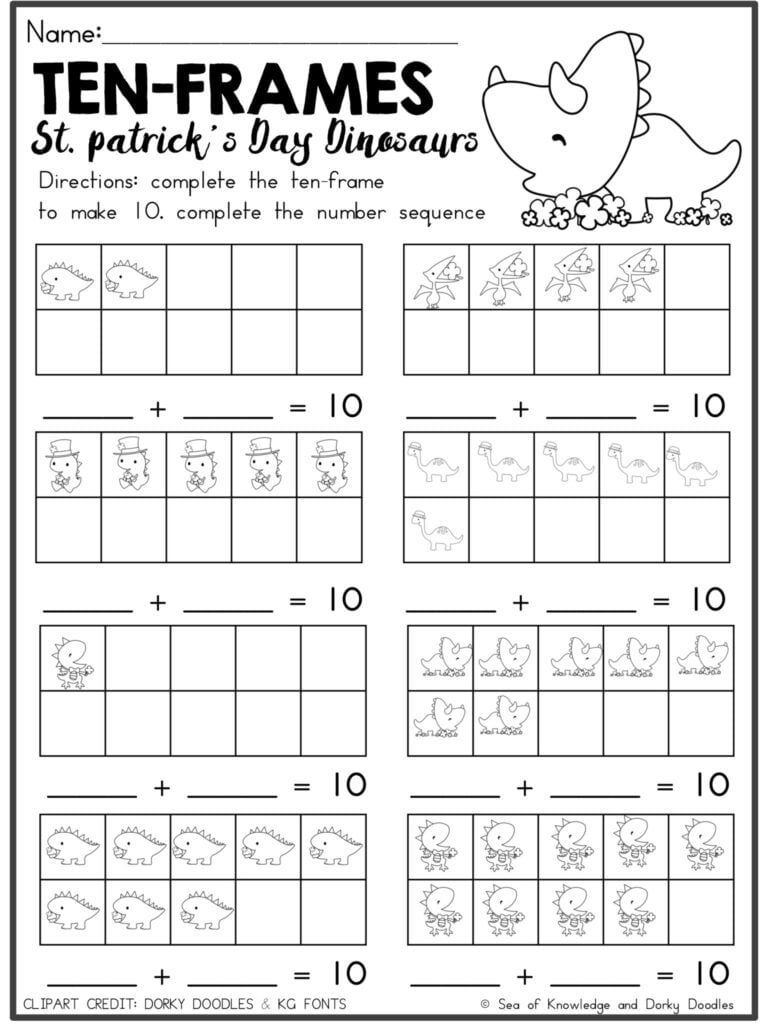
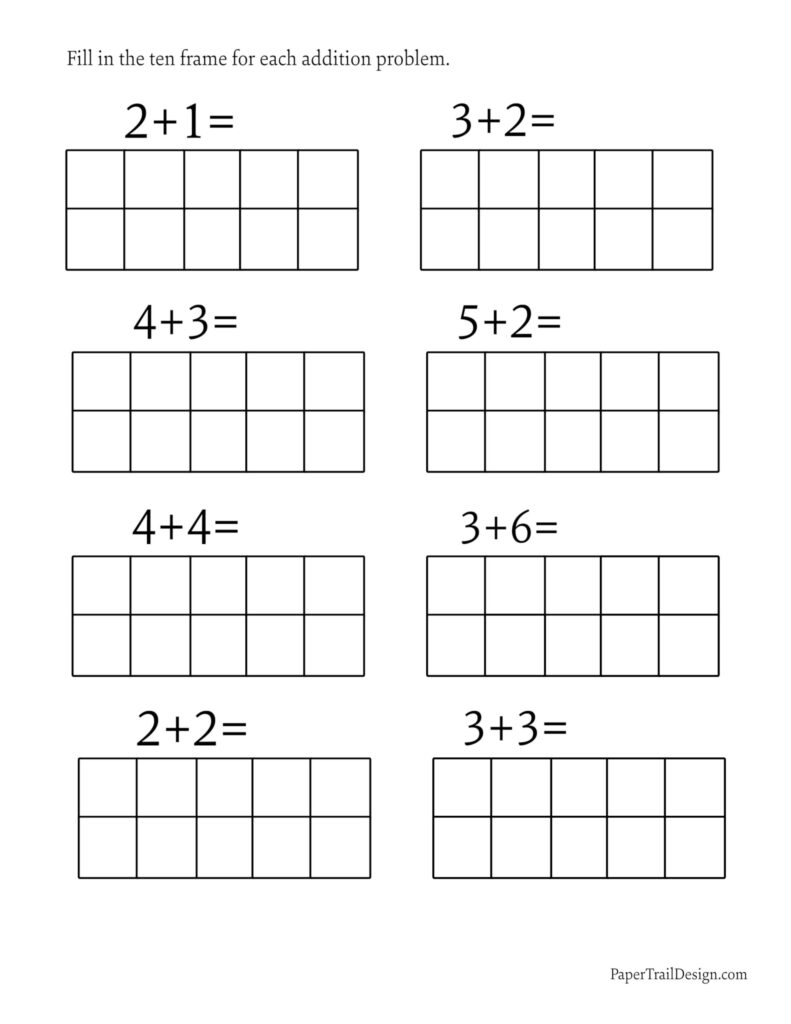
A ten frame is a 2-by-5 grid that represents the number ten in an organized, predictable layout. Students usually fill boxes from left to right, which supports one-to-one counting and helps them see quantity at a glance. On worksheets, they may color in circles, draw dots, or place manipulatives in each space. This visual routine strengthens number sense because children begin to recognize patterns, compare amounts, and notice when a frame is full, nearly full, or only partly filled.
source: Paper Trail Design
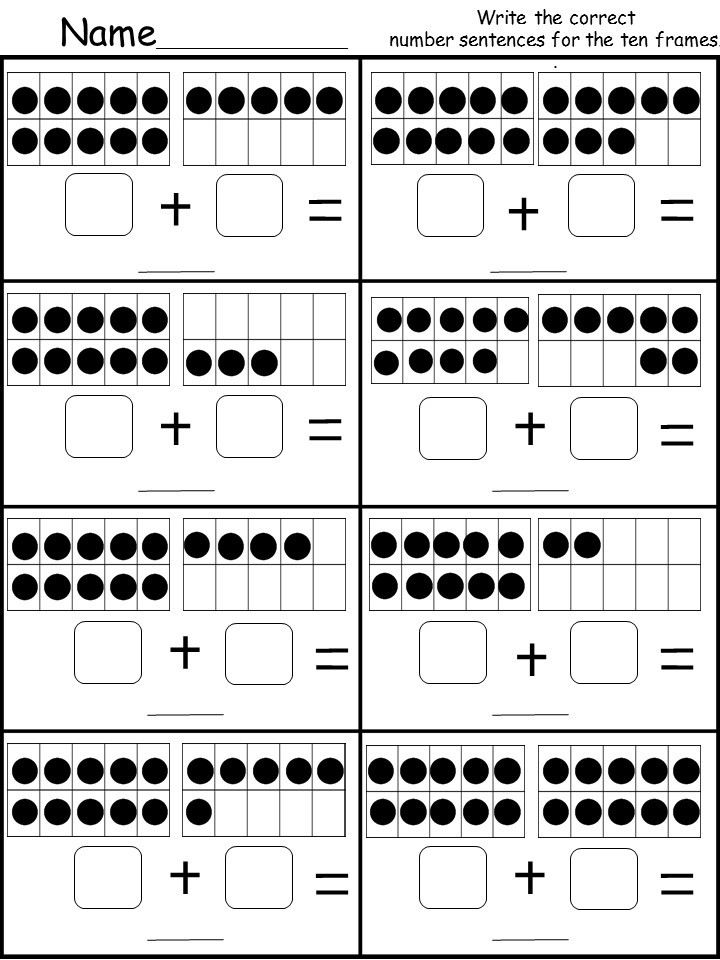
These worksheets support several foundational skills at once. Counting becomes more concrete because each box stands for one object. Counting on is easier when students can start with the filled boxes and add the remaining ones. Number recognition grows when a child matches a numeral to the correct frame or identifies how many spaces are filled. Ten frames also teach making ten, since children can see exactly how a number pairs with its complement to complete the grid.
Best worksheet types
source: Free Educational Worksheets for All Ages
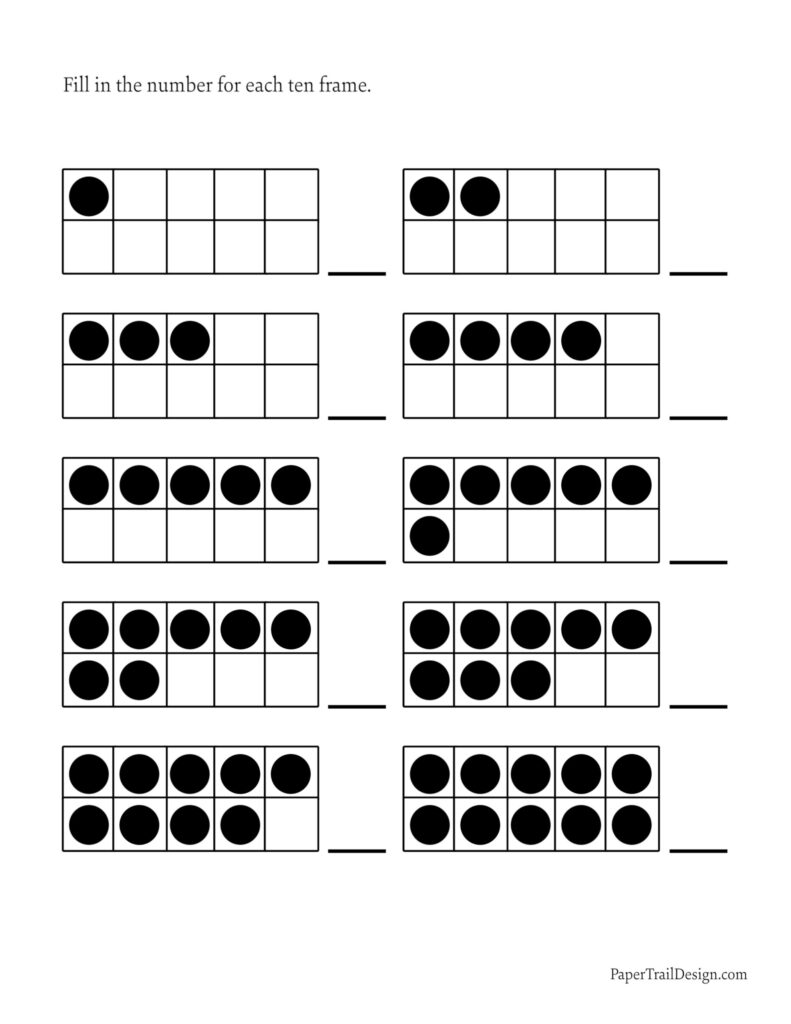
source: Paper Trail Design
The most useful 10 frame worksheets depend on the skill a child needs to practice. Fill-in-the-frame pages are good for beginning counters because they make the structure of ten very clear. Dot or counter matching worksheets ask students to match a numeral, picture, or set of objects to the correct frame, which adds recognition practice. Number-to-frame pages are helpful for moving from seeing a number to representing it visually. For extra support, look for pages with only numbers one through five; for more challenge, use the full range through ten.
A good worksheet set should move from simple to slightly more complex without overwhelming the learner. Start with single-frame practice, then use mixed pages that ask children to count, match, and fill in missing spaces. Clear directions, uncluttered layouts, and consistent box sizing matter because young students need to focus on the number idea, not on busy design. For home or classroom use, choose worksheets that repeat the same frame format while changing the task. That balance helps children build confidence and fluency with ten-frame thinking.