Coin math worksheets help young learners practice money skills in a clear, repeatable way. The best ones start with coin recognition and value, then move into counting mixed coins, making specific amounts, and solving short word problems. For early elementary students, the right worksheet should match their counting ability and use simple layouts that reduce confusion while still building real number sense.
source: suncatcherstudio.com
Start with coin values
source: moneyinstructor.com
source: shop.homeschoolof1.com
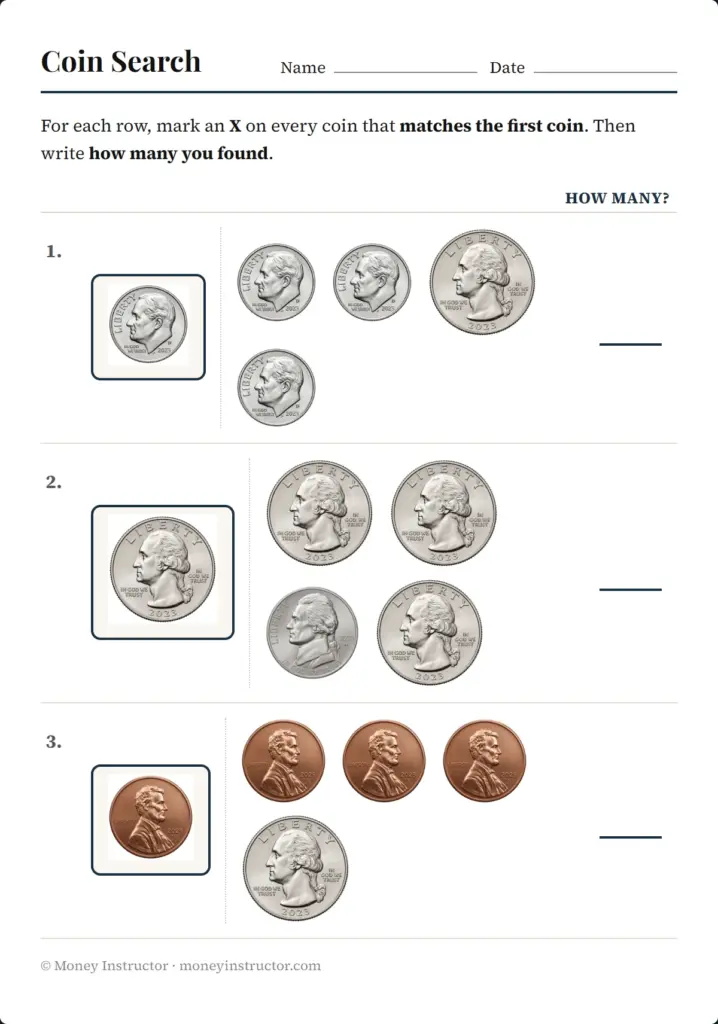
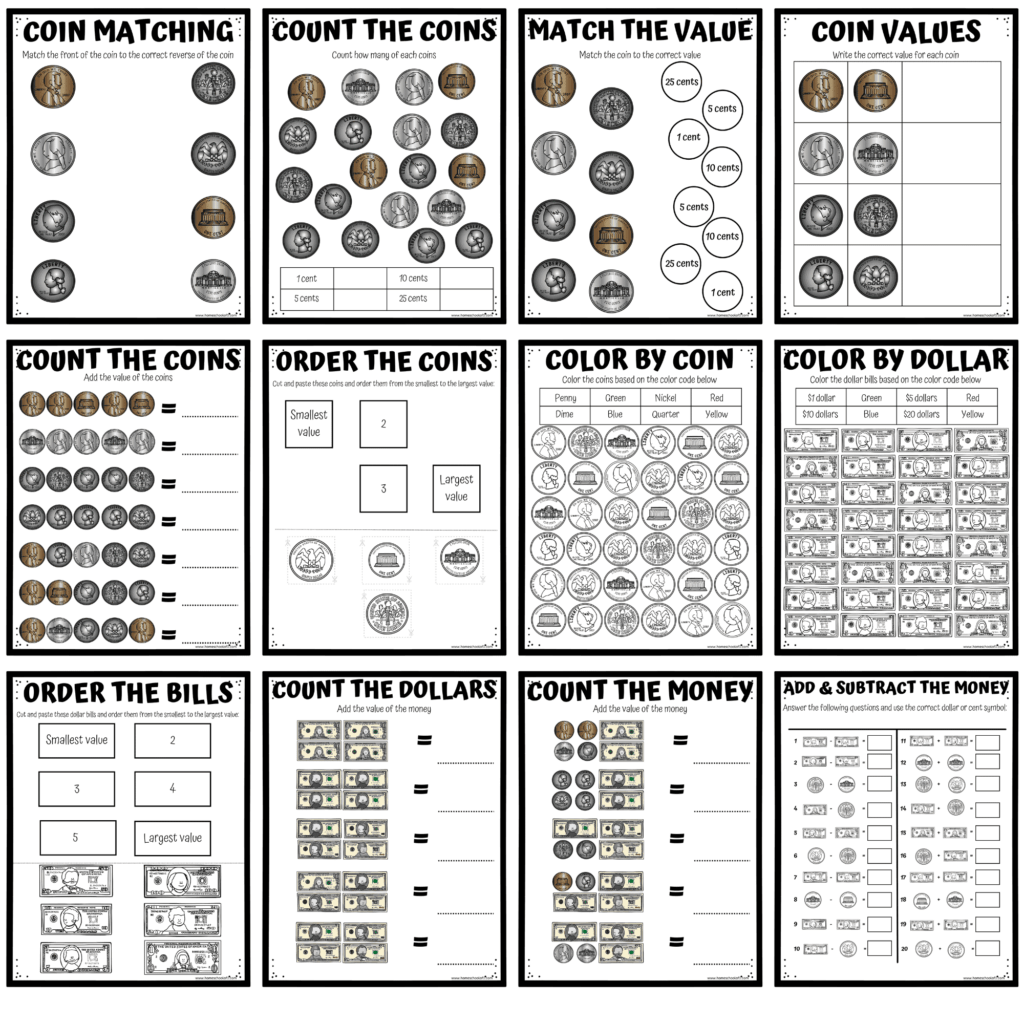
Begin with worksheets that focus on pennies, nickels, dimes, and quarters one at a time. Students should first identify each coin by name and match it to its value before they combine coins. Worksheets with coin pictures, value charts, or simple color cues can make this easier. A good early page might ask children to circle all the nickels, write the value of each coin, or count a small set of identical coins.
This foundation matters because students who know the value of each coin can handle mixed coin problems more accurately later.
Move into mixed counting
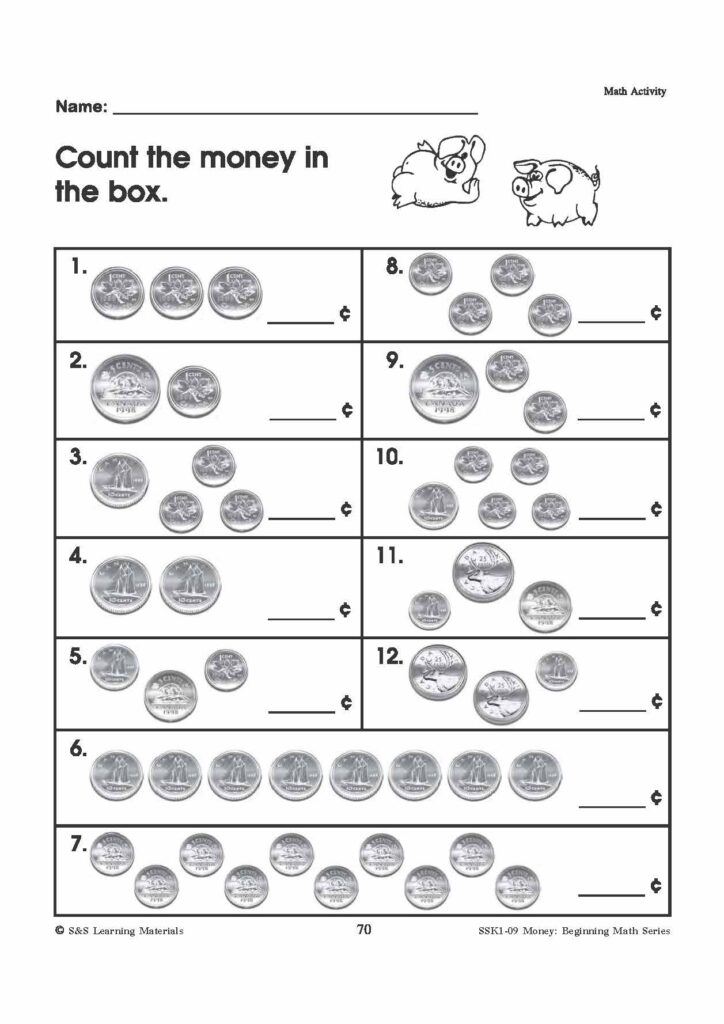
Once single-coin practice is solid, look for worksheets that mix coin types in small groups. These should ask students to add values using skip counting or repeated addition, such as 5 + 5 + 1 or 10 + 10 + 25. Keep the totals manageable at first, especially for first and second grade. The best mixed-counting pages show coins clearly and limit the number of items per problem so students can focus on the math instead of decoding the layout. This is where learners begin connecting coin values to place-based counting habits.
source: www.onthemarkpress.com
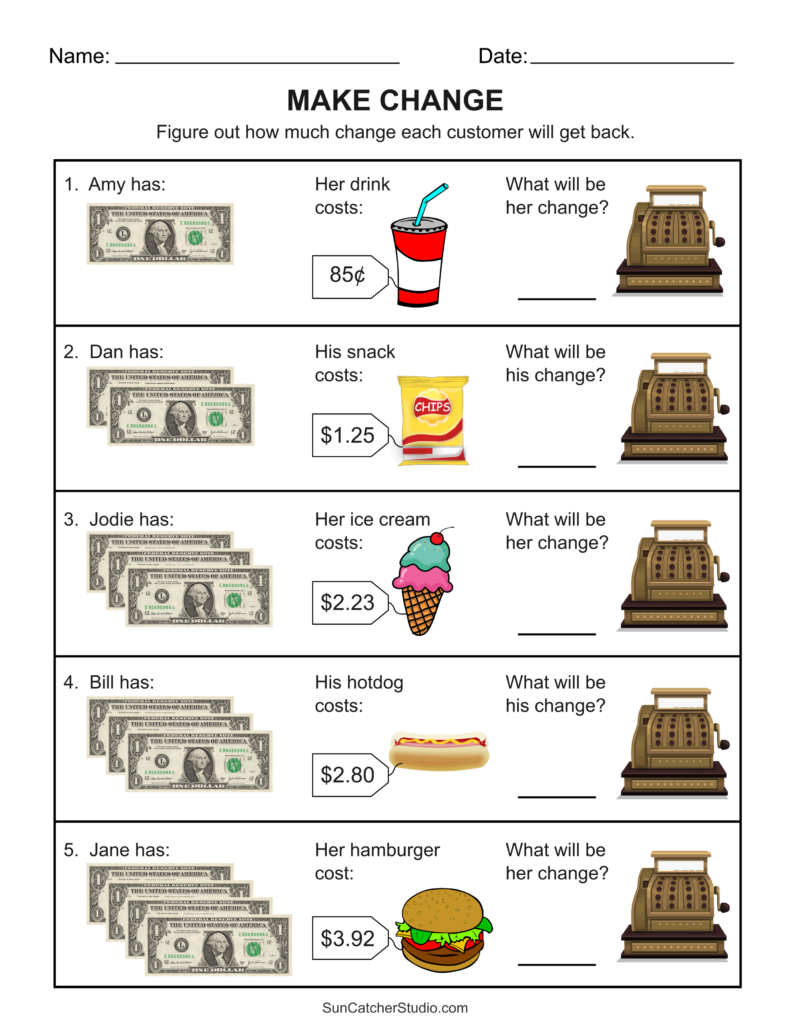
Another useful type of coin math worksheet asks students to make a given amount in more than one way. For example, children may show 15 cents with one dime and one nickel or with three nickels. These pages build flexibility and reinforce that different coin combinations can equal the same value. Short money word problems can come next, such as deciding whether a child has enough coins to buy a toy or figuring out how much change is left after a small purchase.
Keep the amounts low and the directions simple so the focus stays on the math skill, not reading difficulty.
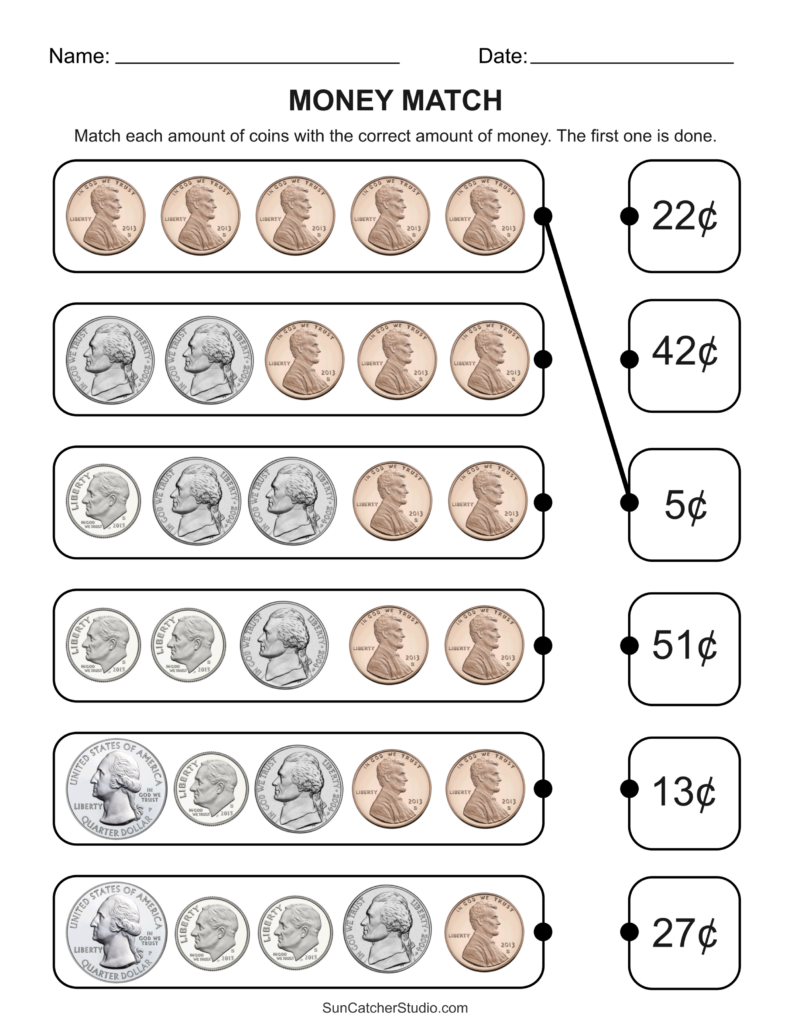
source: suncatcherstudio.com
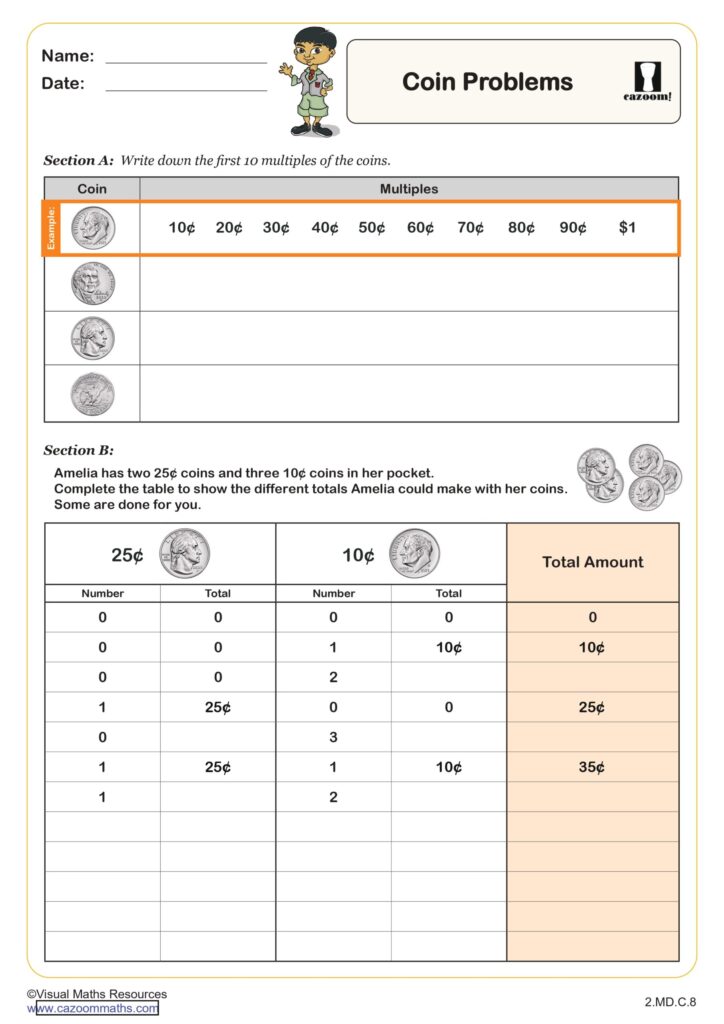
source: www.cazoommaths.com
When choosing coin math worksheets, match the task to the learner’s grade and confidence level. Kindergarten and early first grade usually need coin identification and simple counting with few coins. Later first grade and second grade can handle mixed coins, making amounts, and basic change problems. A strong worksheet also leaves enough space for students to write or show work, since that reveals whether they understand coin values or are just guessing.
The most useful pages build from recognition to counting to simple problem solving, giving students practice that feels challenging but still reachable.
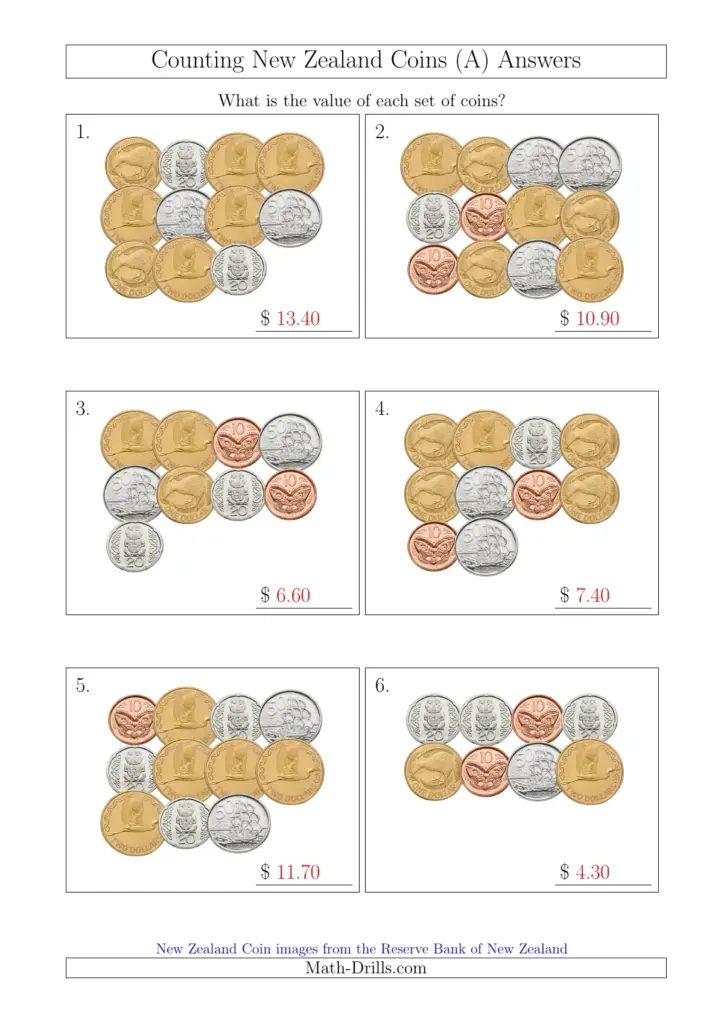
source: math-drills.com