4th Grade Addition Activities For Multi-Digit Practice
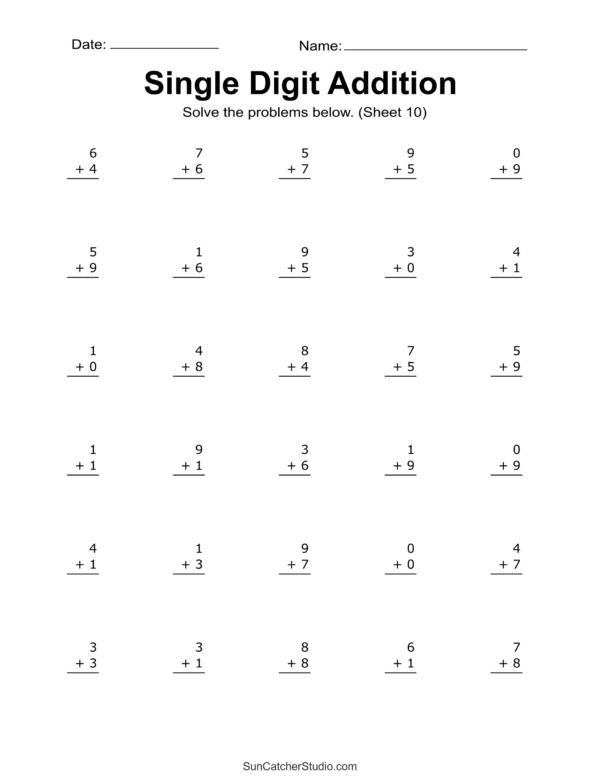
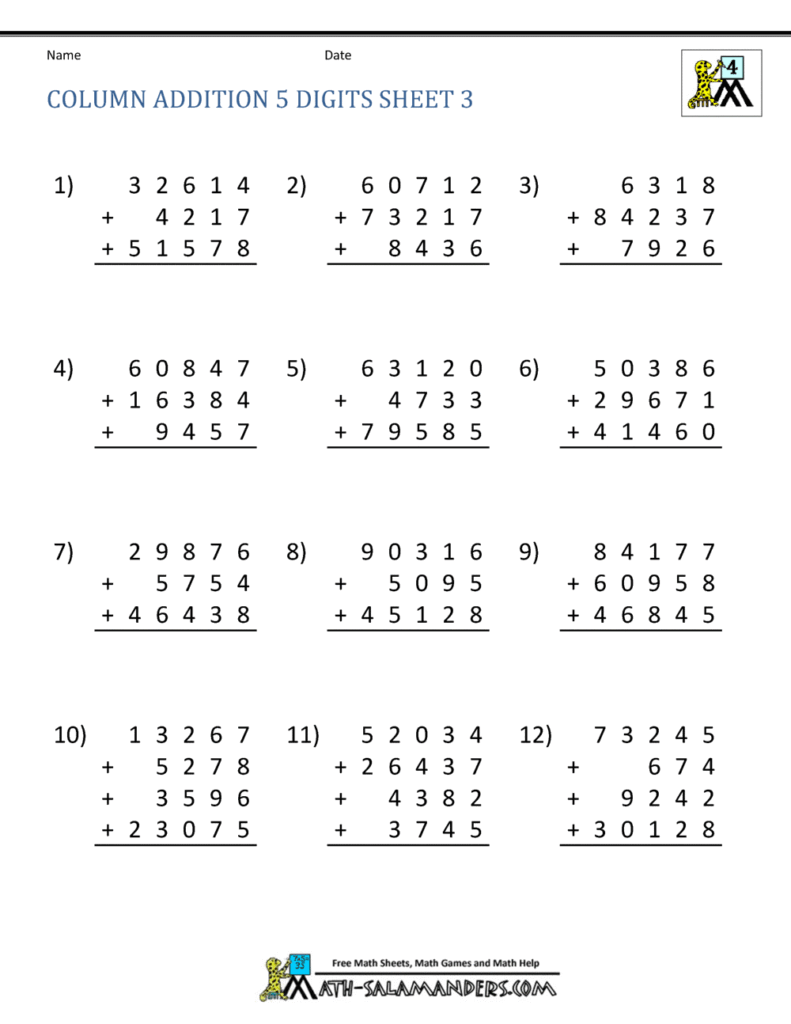
4th grade addition activities should give students plenty of practice with adding multi-digit numbers while keeping the work simple and engaging. The best options are quick to set up, use familiar materials, and focus on accuracy with place value, regrouping, and checking answers. A short mix of hands-on, partner, and written activities can help students build confidence without making the task feel repetitive.
source: Math Salamanders
Quick Practice Ideas
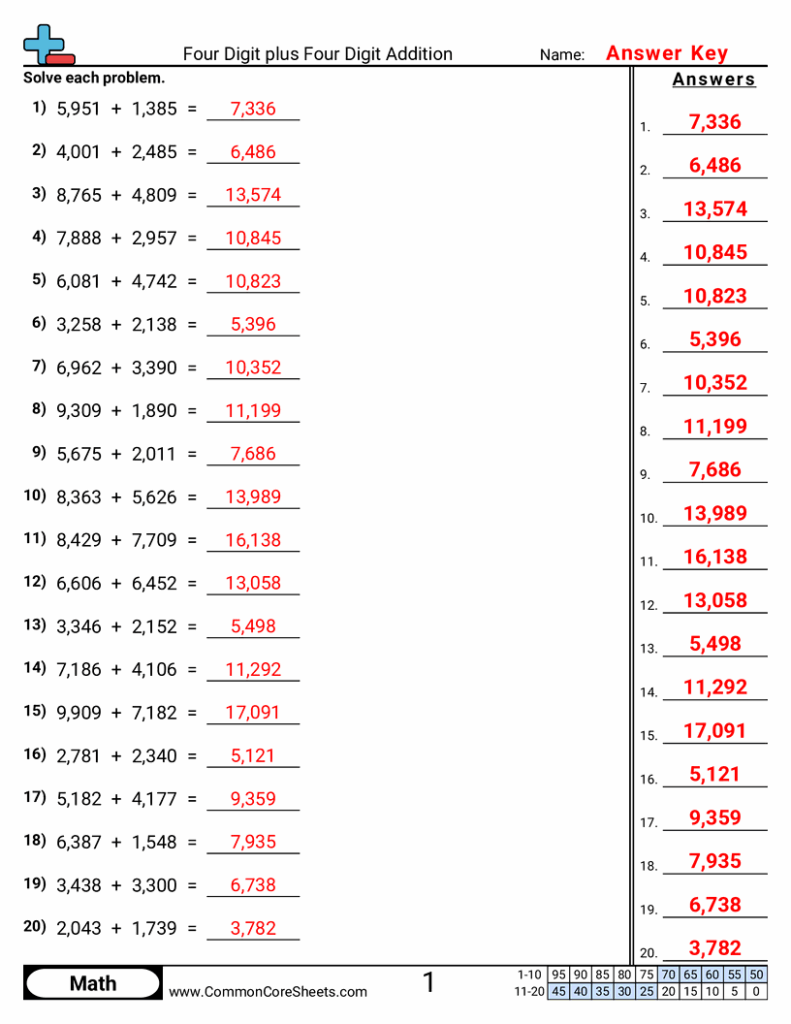
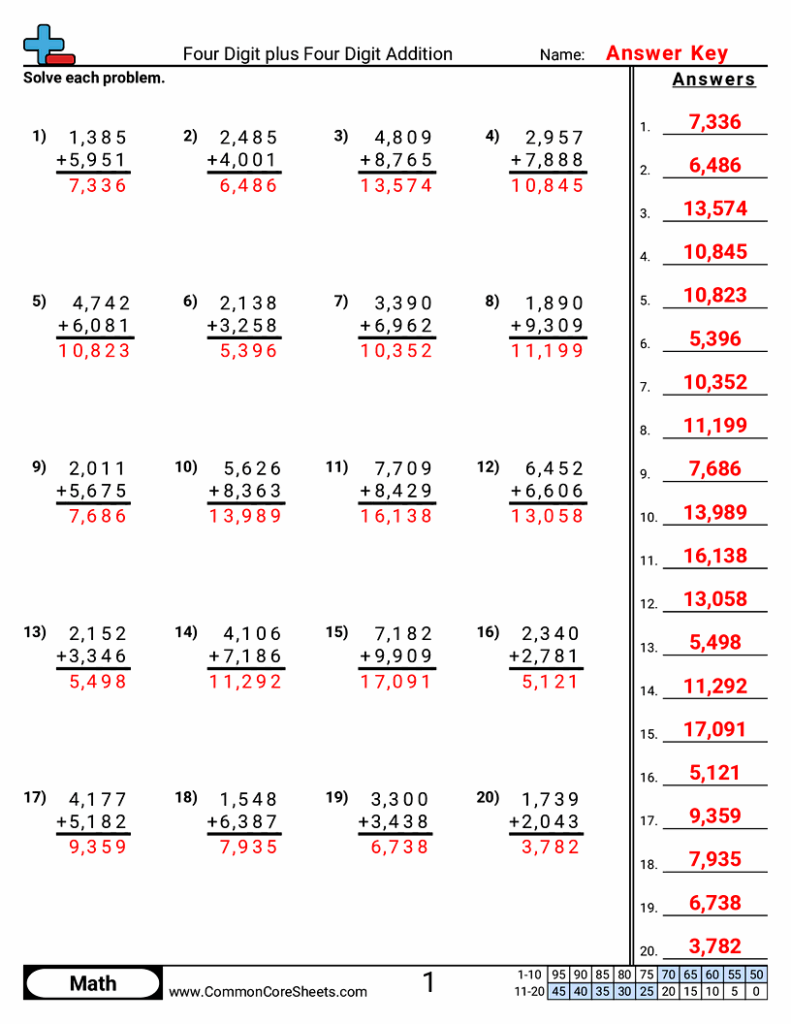
One strong activity is adding number cards or dice rolls. Students draw two or three multi-digit numbers, then solve them on paper or a whiteboard, lining up digits by place value. This directly practices regrouping and careful column addition. Another easy choice is “find the sum” with task cards placed around the room. Students solve each problem and record answers on an answer sheet.
For a home version, write several addition problems on index cards and have the child solve one at a time. Keep numbers smaller at first, then increase digits or add more addends as skill improves. If a student needs support, allow base-ten blocks or a place-value chart for every problem.
source: Common Core Sheets
source: Common Core Sheets
Games can make addition practice feel less like drill. A simple race game works well: students solve one multi-digit addition problem to move a marker forward on a board or number line. Another option is a matching activity where students pair a problem card with its correct sum card. These activities help reinforce careful computation and self-checking because students can compare answers right away.
For a more structured challenge, use an “explain your steps” partner routine. One student solves while the other checks whether digits are lined up correctly and regrouping is accurate. To make it easier, use fewer digits or fewer problems. To make it harder, include larger numbers or ask students to solve mentally before writing.
Adjusting Difficulty
source: MathPro365
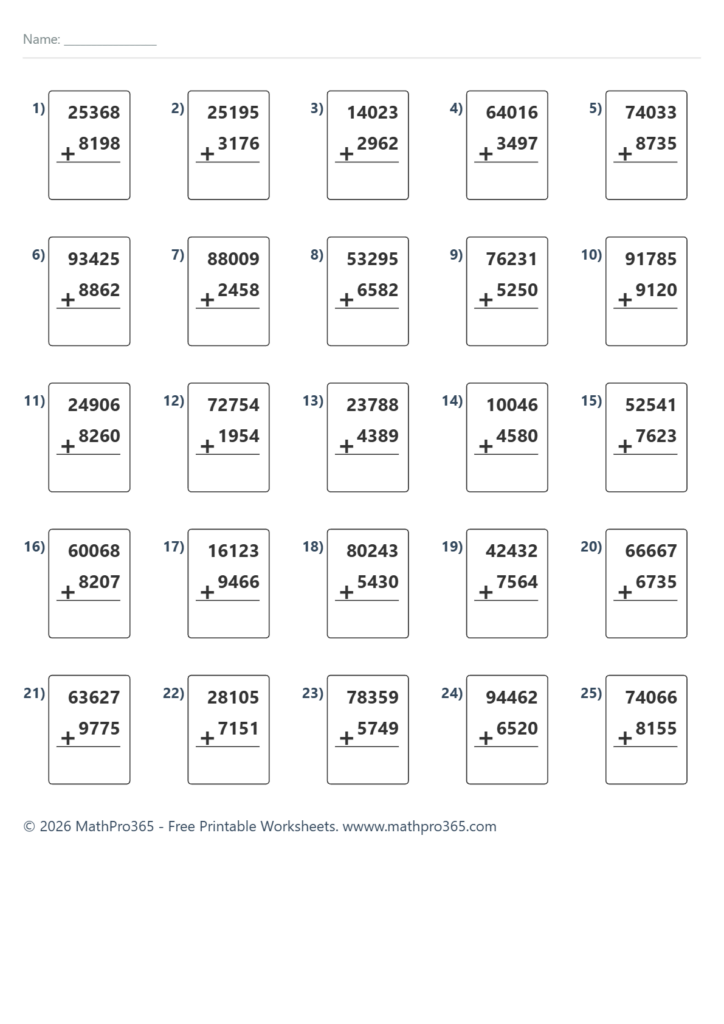
The key is matching the activity to the learner. For students who need extra support, use graph paper, place-value charts, or color-coded digits so columns stay aligned. Start with two addends and gradually move to three addends once accuracy is steady. For students ready for more challenge, use larger numbers, mixed regrouping problems, or timed rounds focused on accuracy rather than speed.
In class or at home, a good addition activity should be short, clear, and easy to repeat. If students can explain how they kept the digits lined up and where regrouping happened, the activity is doing its job. A small set of varied practice tasks is often enough to keep 4th graders engaged and improving.