7th Grade Addition Puzzles With Smart Practice
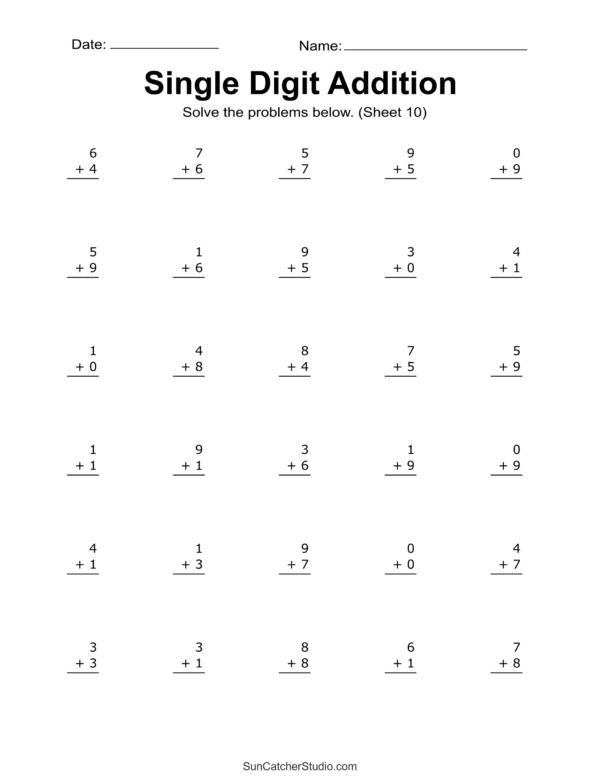
7th grade addition puzzles give students a low-pressure way to practice adding integers, decimals, and fractions while also building reasoning skills. The best puzzles are not just quick sums; they ask students to follow clues, compare values, or solve a short word problem to reach an answer. At this level, the work should feel challenging enough to require thinking, but still focused on addition.
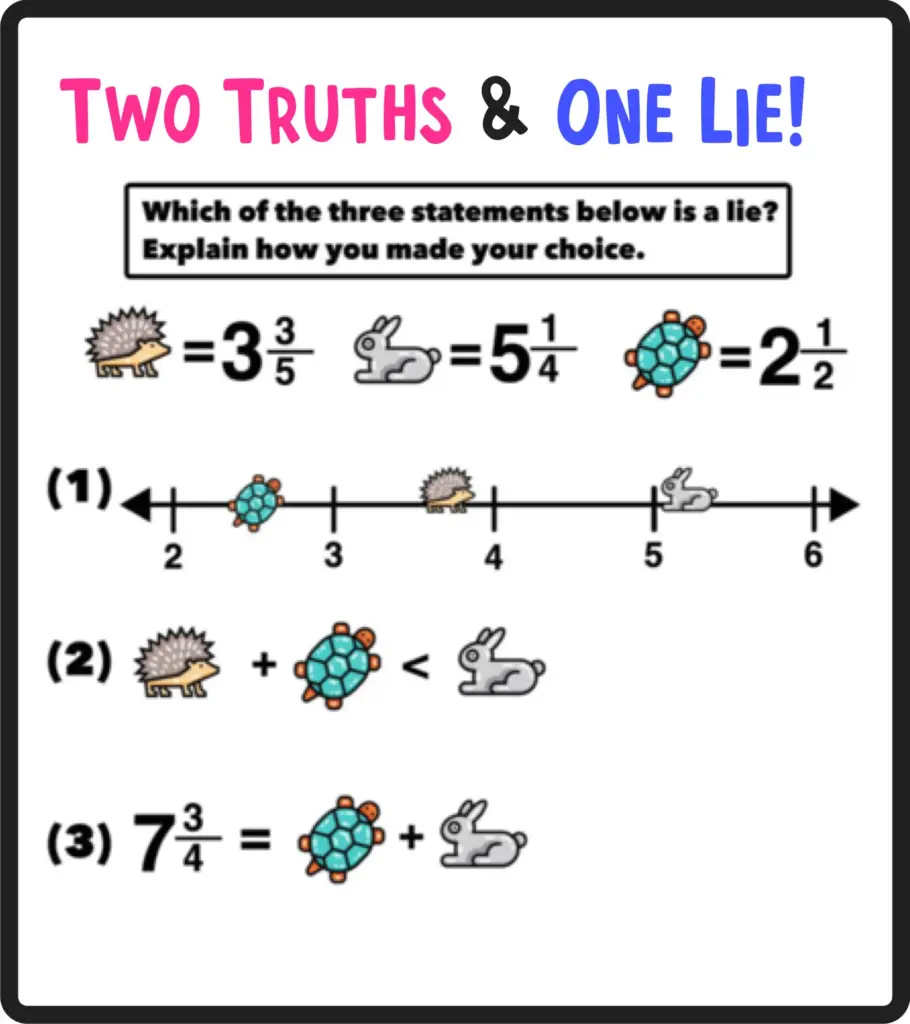
source: Mashup Math
Puzzle Types That Fit
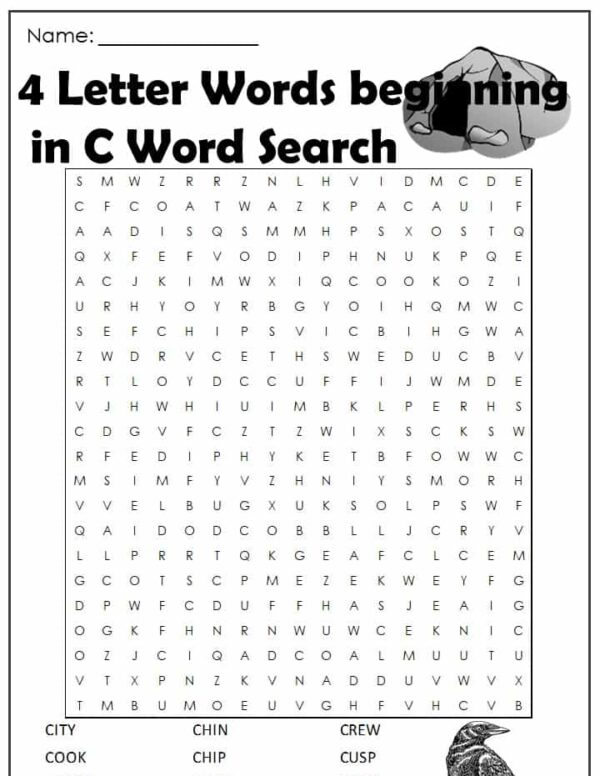
Good 7th grade addition puzzles usually fall into three groups: number puzzles, logic puzzles, and word-problem puzzles. Number puzzles might ask students to fill in missing addends, complete equations, or use sums to reveal a pattern. Logic puzzles can involve clues such as “the total is 5.2” or “the two numbers are integers that add to zero,” which push students to connect multiple facts.
Word-problem puzzles are useful when the addends come from a short story or real-life context, such as combining distances, temperatures, or amounts of money. In every type, the goal is still addition, but students must decide how to organize the information before calculating.
The right difficulty for seventh graders usually includes more than one step, but not extra topics that bury the addition. A puzzle is a good fit when students need to add mixed numbers, decimals to the hundredths place, or positive and negative integers, then use the result in a second clue. It is too easy if the answer is a single-column sum with no reasoning, and too advanced if it depends mostly on algebra or unfamiliar concepts.
Strong puzzles should require accuracy, attention to place value, and enough interpretation that students have to think about why the answer makes sense, not just compute quickly.
Using Puzzles Well
Teachers and parents can use 7th grade addition puzzles for warm-ups, review, small-group practice, or enrichment. For review, a short puzzle can help students revisit integer rules, fraction addition, or decimal alignment without turning the activity into a full lesson. For enrichment, puzzles can ask students to explain their thinking, check for errors, or solve a challenge in more than one way.
The most useful approach is to choose puzzles that match the skill being practiced and then ask a follow-up question such as, “How did you know?” or “What clue helped most?” That keeps the focus on addition and reasoning at the same time.