10 Frame Math For Early Counting And Number Sense
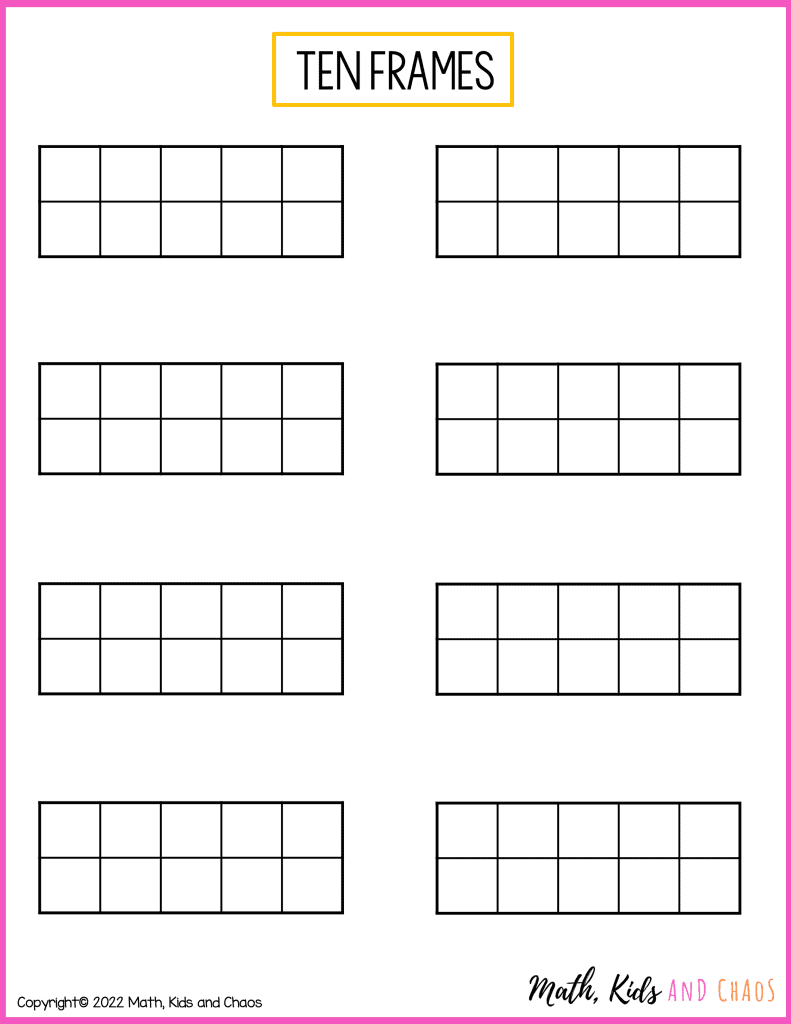
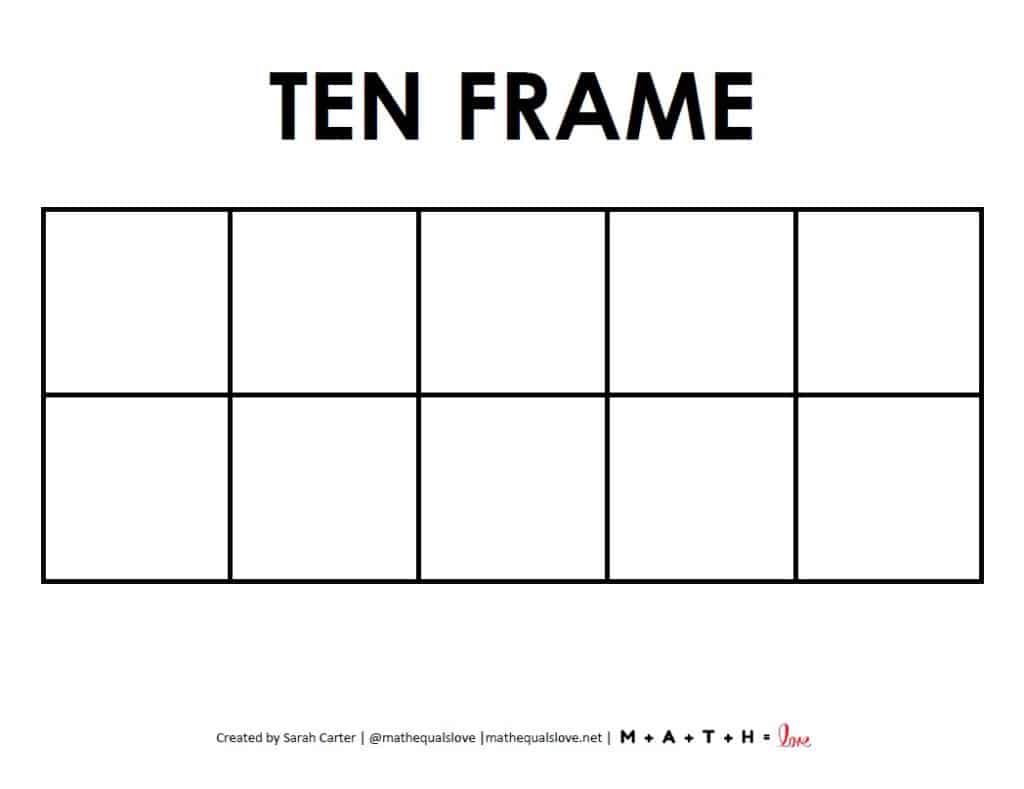
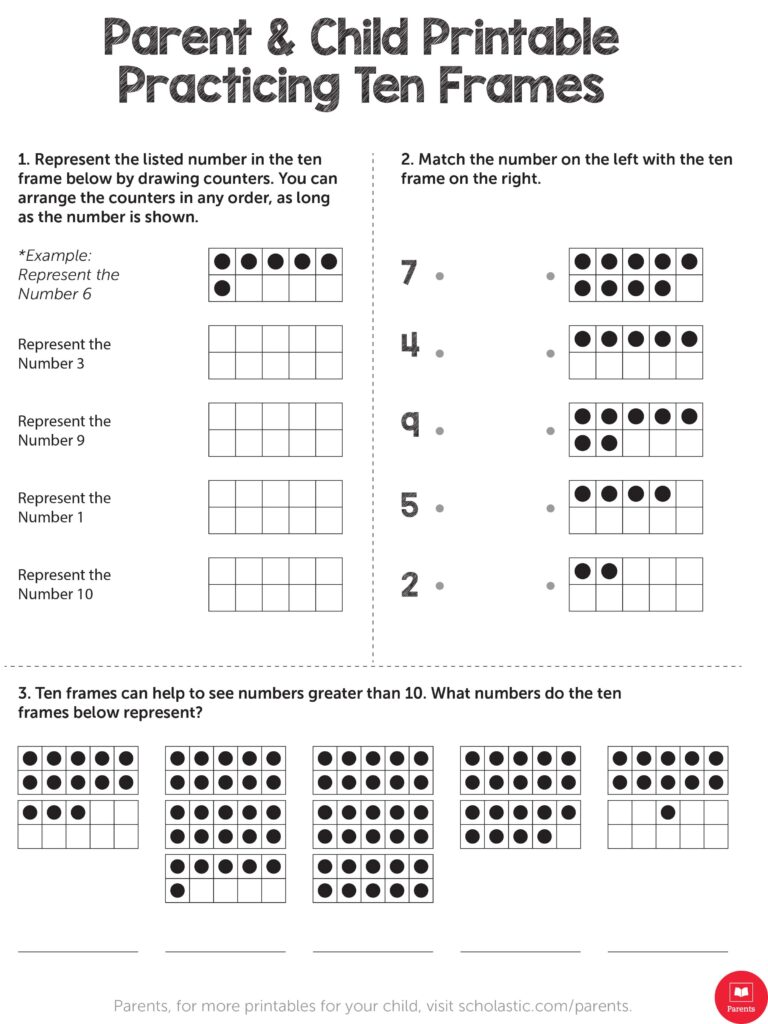
10 frame math uses a simple 2-by-5 grid to show numbers up to 10. Each box holds one counter, dot, or other small object, so children can see how many are present instead of only hearing the number name. This visual model supports early counting because it makes quantity clear, organized, and easy to match with spoken numbers.
source: www.mathkidsandchaos.com
How the frame is used
The frame is usually filled from left to right, starting on the top row and then moving to the bottom row. That pattern helps learners count in order and notice when a row is complete. It also supports subitizing, which means recognizing small quantities at a glance. For example, a full top row of five can be seen quickly as one group of five, not five separate items. Over time, students begin to recognize number combinations by how the counters cluster.
source: mx.pinterest.com
Addition and subtraction within 10
source: se.pinterest.com
source: mathequalslove.net
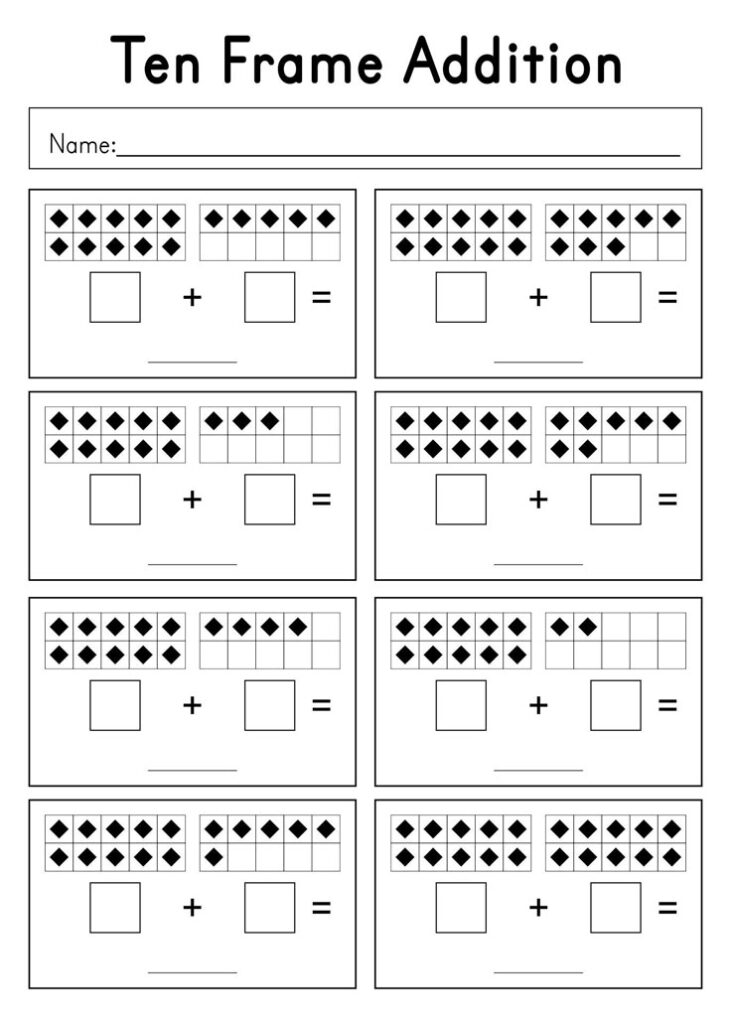
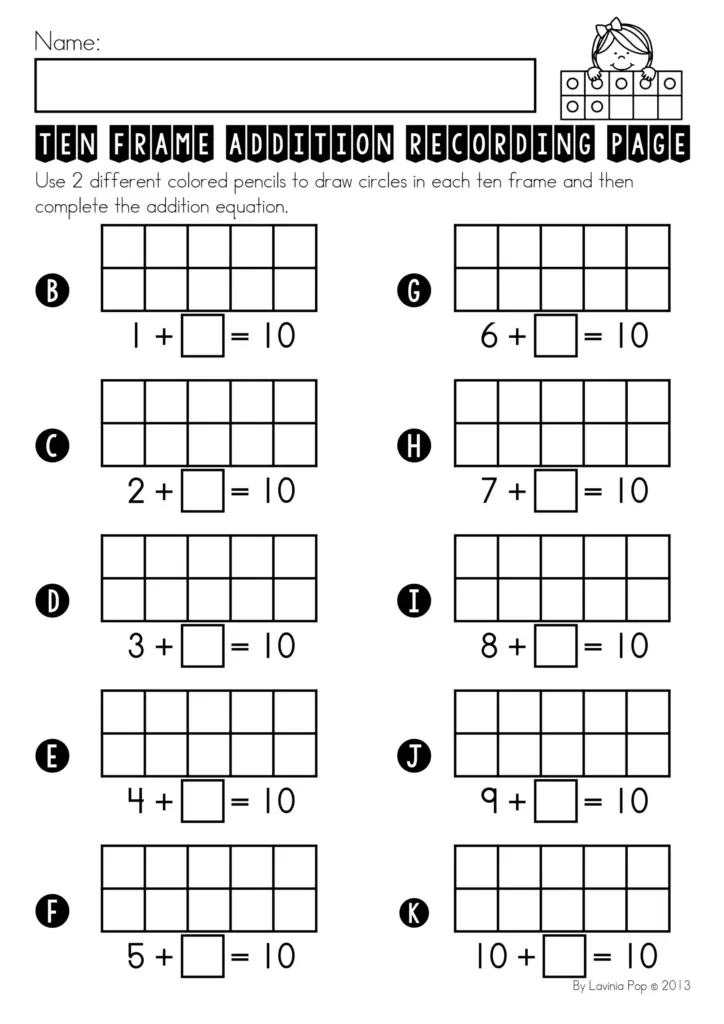
A 10-frame also makes simple addition easy to see. If 6 counters are on the frame and 2 more are added, children can watch the total grow to 8. If there are 8 counters and 3 are taken away, they can see the empty spaces increase. Because the frame always holds 10, it shows how far a number is from 10 and how numbers fit together. This concrete picture supports basic addition and subtraction facts without relying only on memorization.
source: www.scholastic.com
source: kinder-resources.com
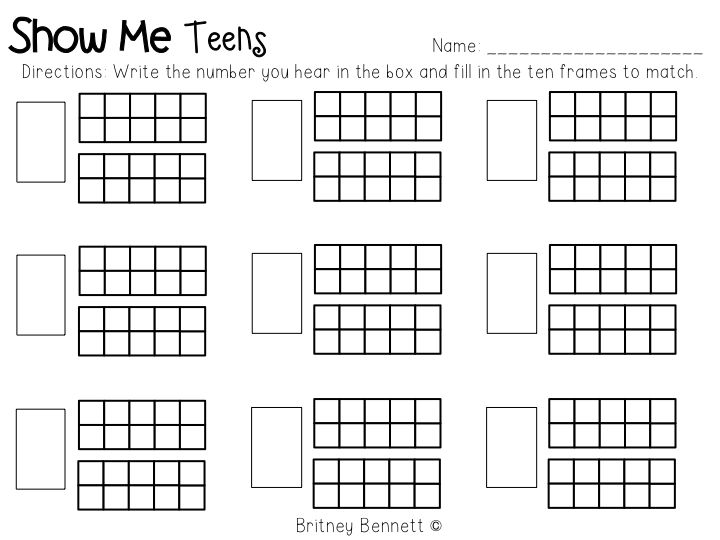
The real value of 10 frame math is that it connects number words, symbols, and visual quantity. A child can hear “seven,” write 7, and see 7 spaces filled on the frame. That connection builds stronger number sense and helps learners spot patterns like 5 and 2 making 7, or 10 and 0 making 10. Used consistently, the frame becomes a clear bridge between counting objects and understanding numbers in a more flexible way.