10 By 10 Coordinate Plane: Axes, Quadrants, And Points
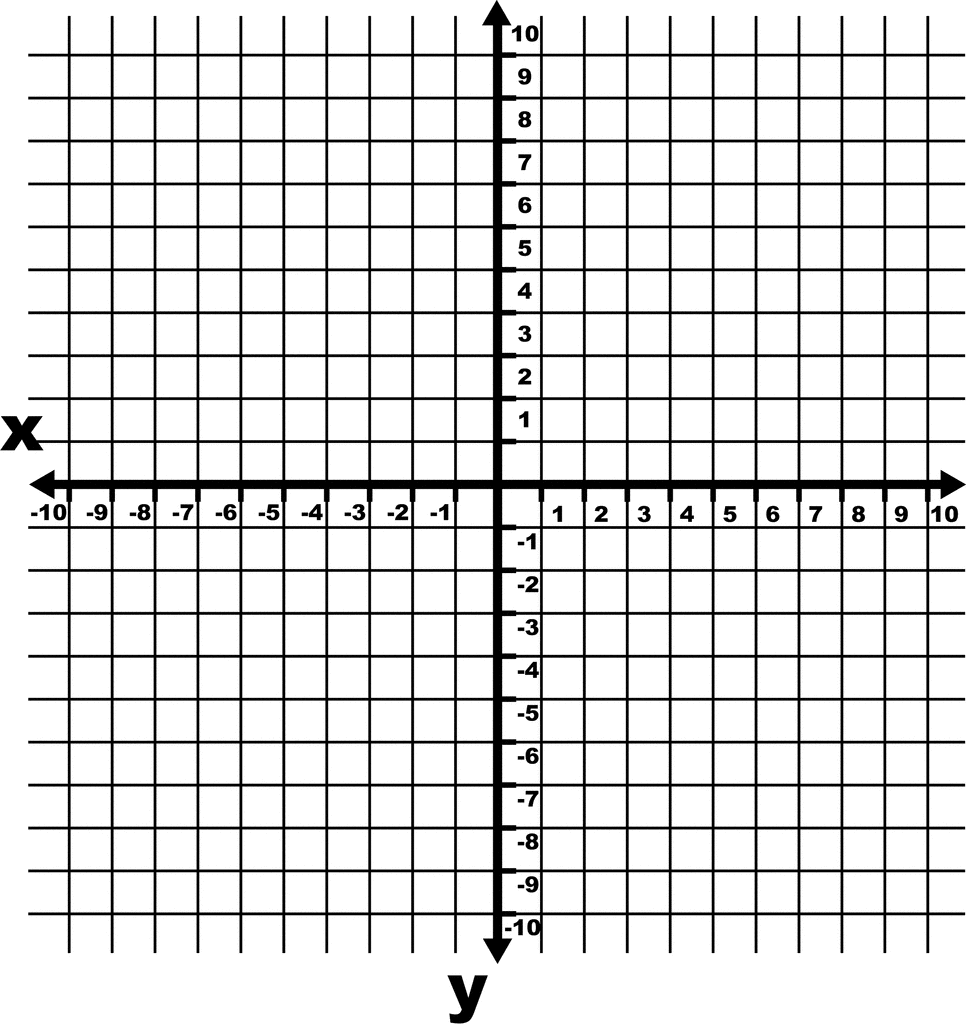
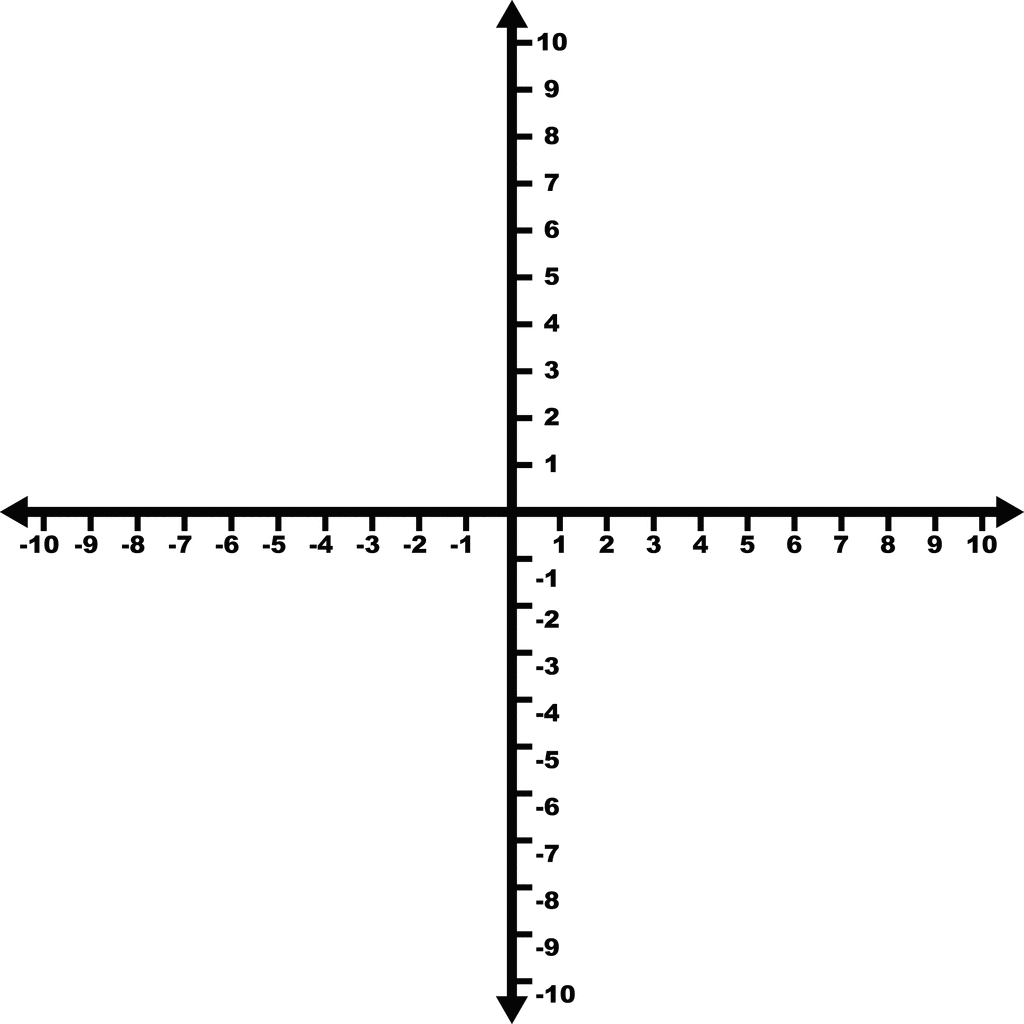
A 10 by 10 coordinate plane is a simple grid used to show position with two number lines: the x-axis runs left to right, and the y-axis runs up and down. Together, they let you name exact locations with ordered pairs. Most classroom versions use equal spacing on each axis so points can be read accurately.
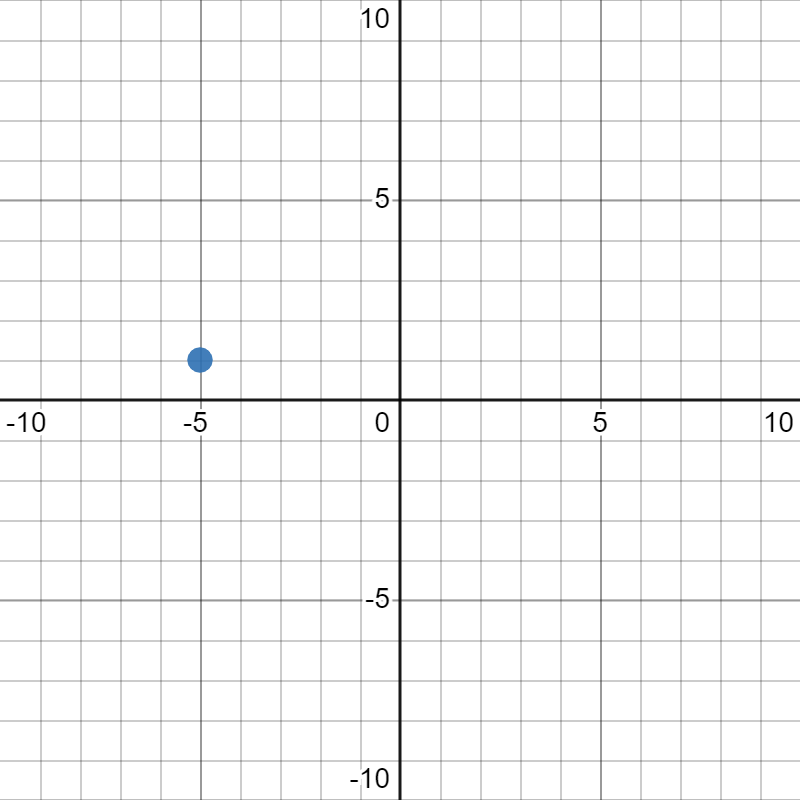
source: www.ms.uky.edu
At the center is the origin, written as (0, 0). From there, values increase in the positive direction and decrease in the negative direction. On the x-axis, positive numbers go to the right and negative numbers go to the left. On the y-axis, positive numbers go up and negative numbers go down. This creates four quadrants: I in the upper right, II in the upper left, III in the lower left, and IV in the lower right.
Knowing this layout helps you read any point quickly and place it in the correct region.
Reading Ordered Pairs
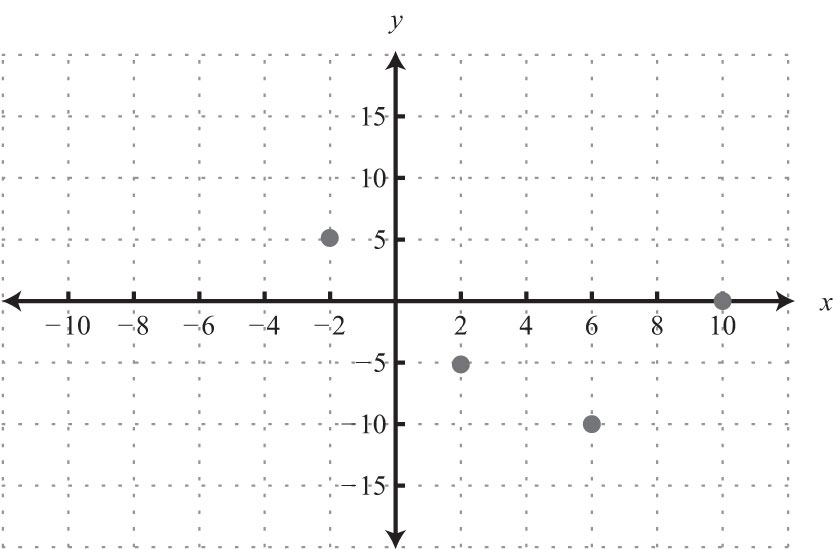
source: 2012 Book Archive
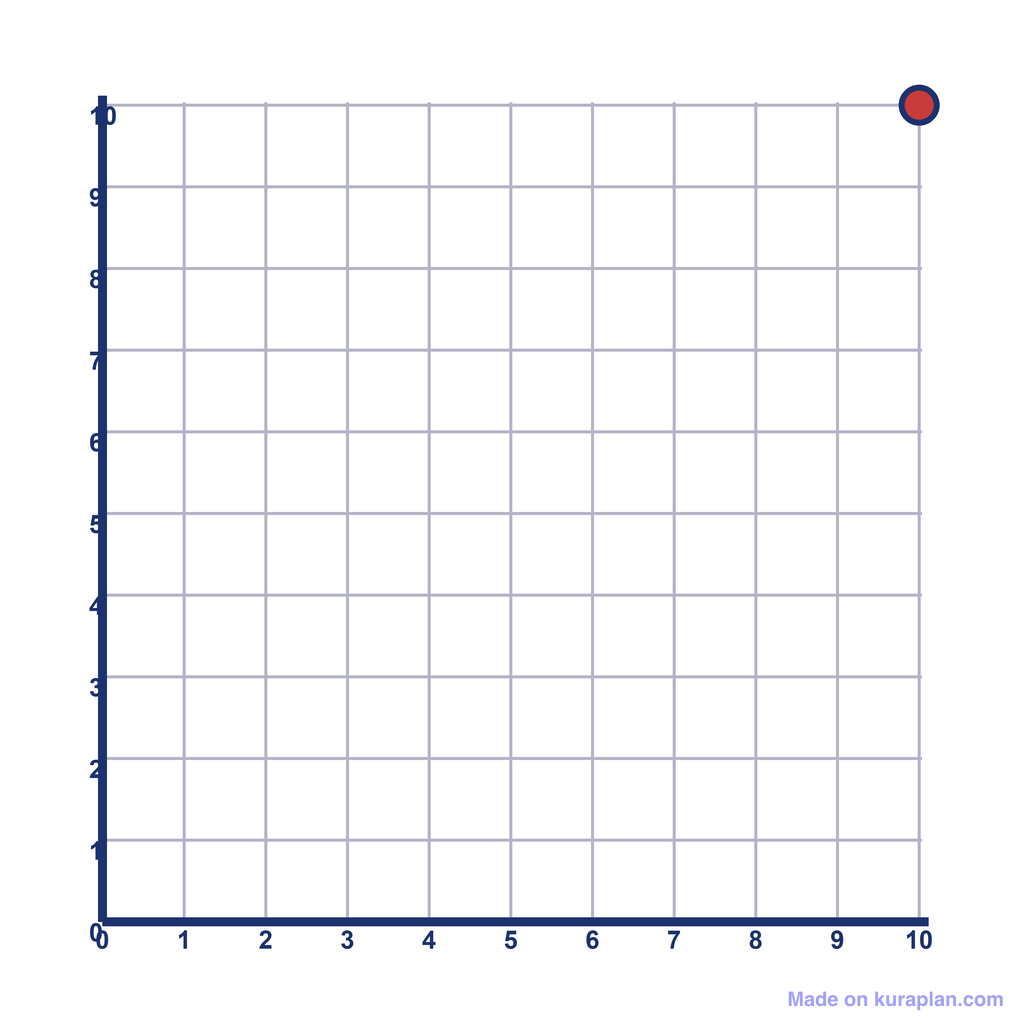
source: Kuraplan
An ordered pair is written as (x, y), and the order matters. The first number tells how far to move along the x-axis, and the second number tells how far to move along the y-axis. To plot a point such as (3, 2), start at the origin, move 3 units right, then 2 units up. To read a point, do the reverse: find its horizontal position first, then its vertical position. The same rule works for negative numbers, which move left or down instead.
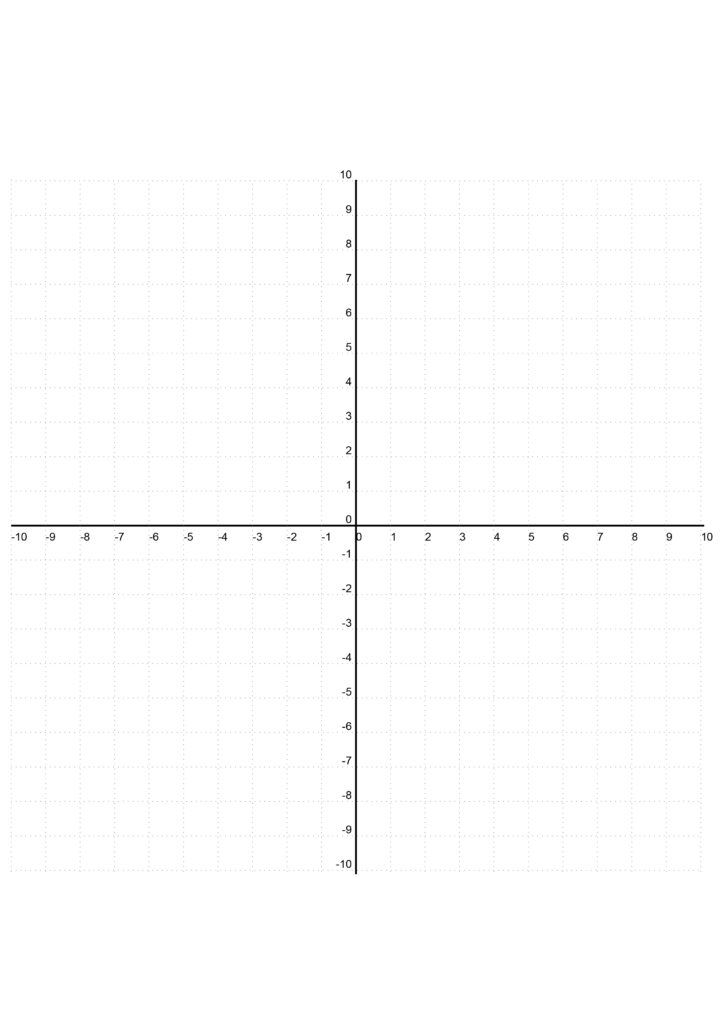
source: Graph Paper Page
Typical Grid Labels
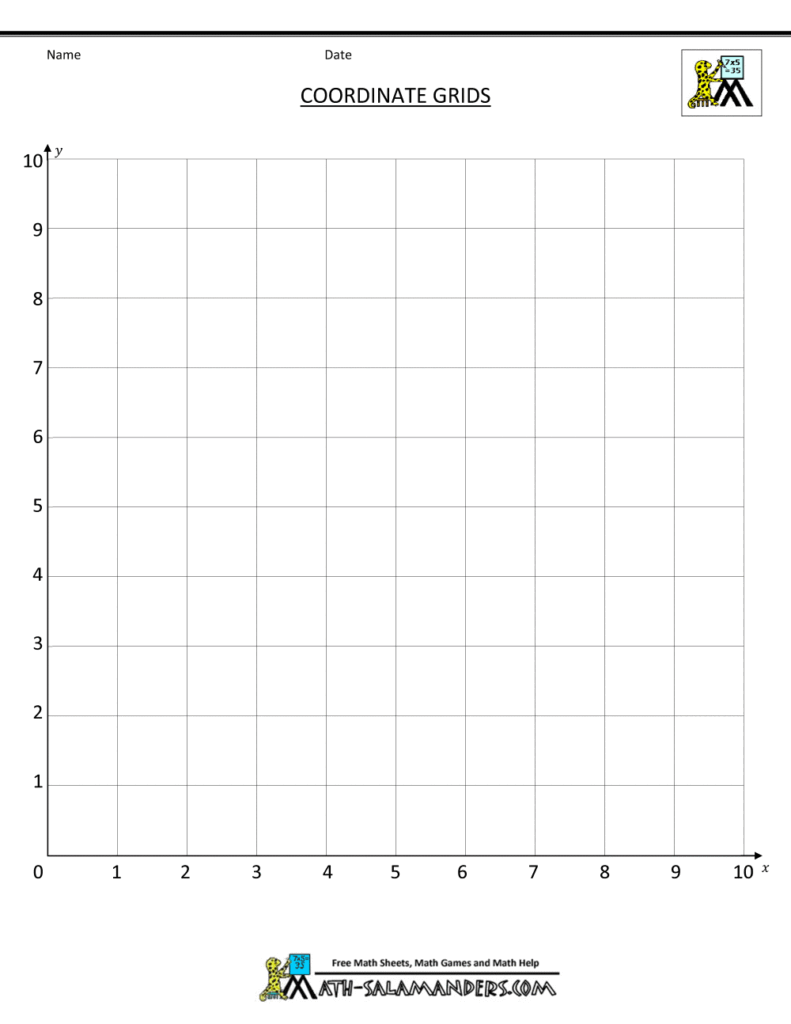
On a standard 10 by 10 coordinate plane, the numbers are usually labeled in equal steps so each square represents one unit. A classroom worksheet may show values from -5 to 5 with the origin centered, or it may place 0 at a corner and use only positive numbers. The key is to check the axis labels before plotting. If the grid is centered at the origin, you can use all four quadrants; if it is not, the plane may only show part of the full coordinate system.
source: Florida Center for Instructional Technology
source: Florida Center for Instructional Technology – University of South Florida
Once you understand the axes, origin, quadrants, and ordered pairs, the grid becomes easy to use. Always look first for the x-axis, then the y-axis, and confirm how the numbers are labeled on that specific plane. That small check prevents mistakes and makes plotting much faster. A 10 by 10 coordinate plane is really just a clear map of position, and reading it correctly comes down to following the directions in order.
source: Math Salamanders