365 Day Planner: How To Choose The Right Format
A 365 day planner is a planner designed for one entry, prompt, or focus area per day across a full year. It gives each day a dedicated space, which makes it useful for simple daily tracking, reflection, or light scheduling. Compared with shorter planners, it is built for consistency over time rather than week-by-week detail or long-range planning.
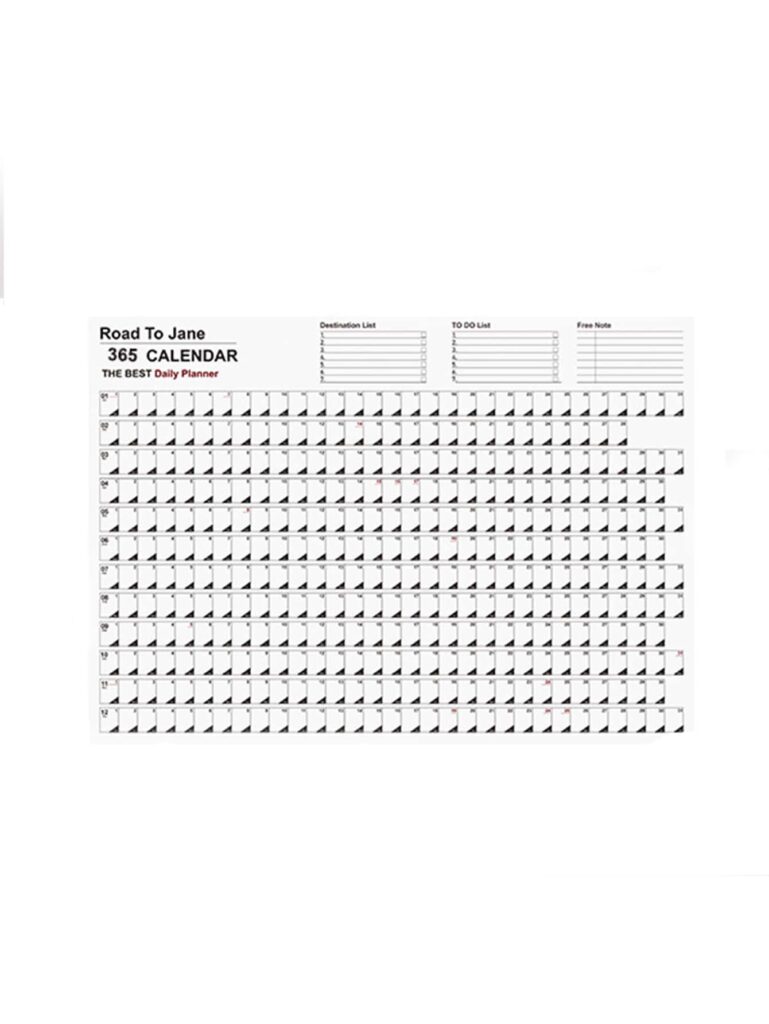
source: us.shein.com
The main purpose of a 365 day planner is to keep daily planning easy and repeatable. Some versions offer a single line for a note, while others include a short prompt, habit check, or small task box for each date. That format works well when the goal is to capture one meaningful thought, action, or reminder every day without managing a more complex planning system. If you want a planner that supports steady daily use, this structure is the key feature to look for.
Dated or Undated
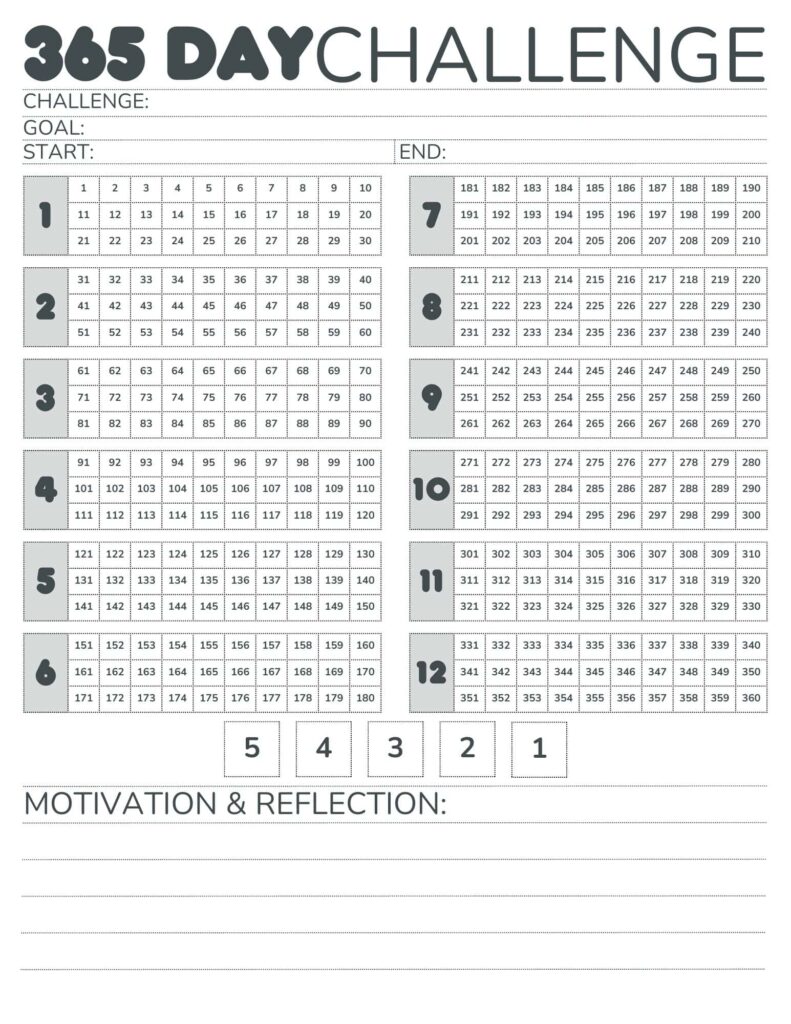
source: printablesforlife.com
One of the first things to check is whether the planner is dated or undated. A dated 365 day planner already assigns each page or entry to a specific calendar day, so it is ready to use right away. An undated version gives more flexibility because you can start at any time and skip unused pages without wasting dates. Also look at the layout: some are narrow and minimal, while others leave room for journaling, checkboxes, or short notes. The right choice depends on how much you want to write each day.
Size and Layout
Portability matters because a 365 day planner is meant for daily use all year, not occasional reference. Check the physical size, page count, and binding so it is comfortable to carry or keep on a desk. A compact planner is easier to bring everywhere, while a larger one usually offers more writing space. It also helps to look at paper quality if you plan to use pens, markers, or stickers. Thin paper, flimsy covers, or weak binding can make a daily planner less practical over time.
If you are choosing a 365 day planner, focus on how well it matches your daily routine. The best option is the one that makes it easy to record a small amount of information every day without adding friction. Choose dated if you want structure, undated if you want flexibility, and pick a layout that fits the amount you actually plan to write. A simple, durable planner is often more useful than one with extra features you will not use.