1st Grade Multiplication Puzzles For Early Math Practice
1st grade multiplication puzzles should feel more like picture games than drill sheets. At this level, the goal is not memorizing facts but noticing how equal groups work. Good puzzles use counters, drawings, or simple objects so children can see that 2 groups of 3 means 6 total. The best activities are short, concrete, and easy to follow with very little reading.
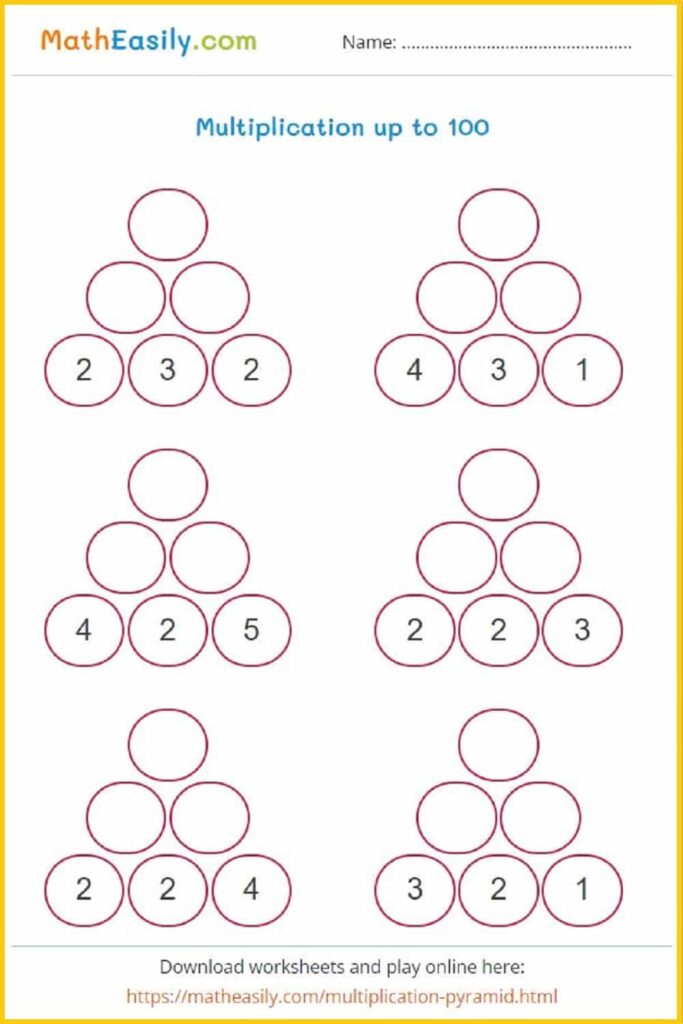
source: MathEasily.com
The most age-appropriate puzzles reinforce early multiplication thinking through repeated groups, skip counting, and equal sets. A first grader might match a picture of three baskets with two apples in each basket to the number sentence 3 × 2 = 6, or connect rows of dots to a total. These puzzles should stay within small numbers and familiar objects. That keeps the focus on understanding the idea behind multiplication, not on difficult facts or fast recall.
Best Puzzle Formats
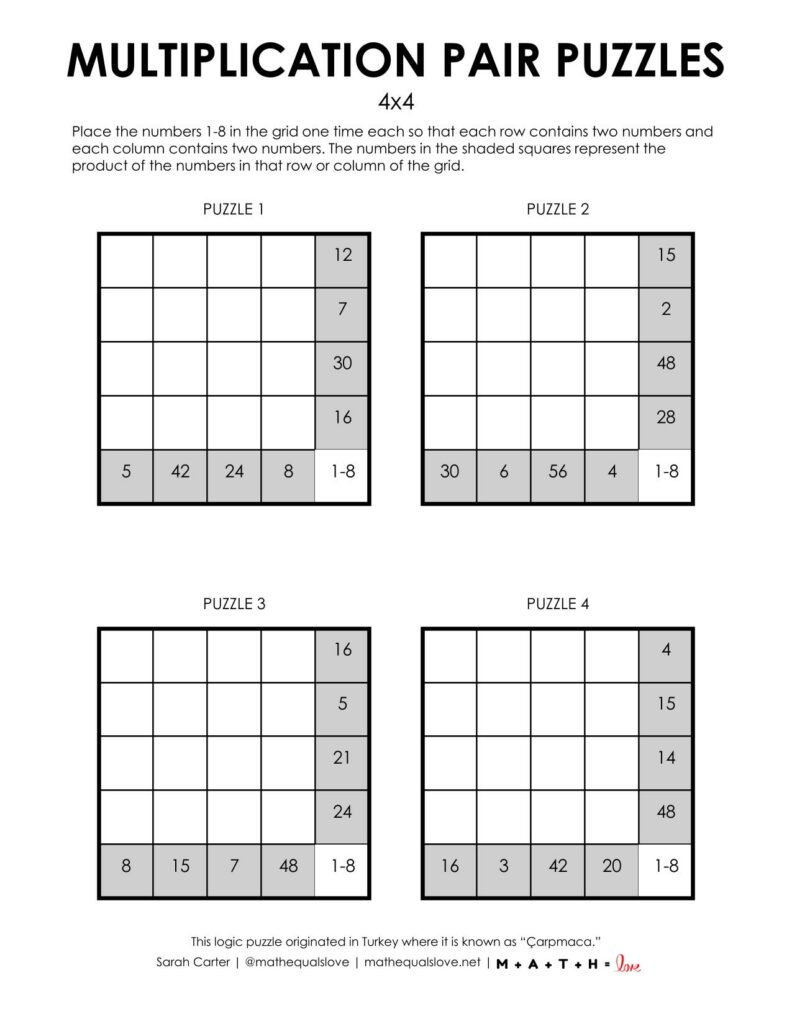
source: Math = Love
For this age, the most useful formats are matching, cut-and-paste, simple fill-in, and picture-based puzzles. Matching puzzles can pair arrays with totals. Cut-and-paste activities can ask children to sort pictures into equal groups. Simple fill-in puzzles work well when students complete missing numbers in a repeated pattern. Picture mazes, dot puzzles, and small arrays also fit well because they stay visual and concrete. Each format should support one clear answer path so first graders can work independently.
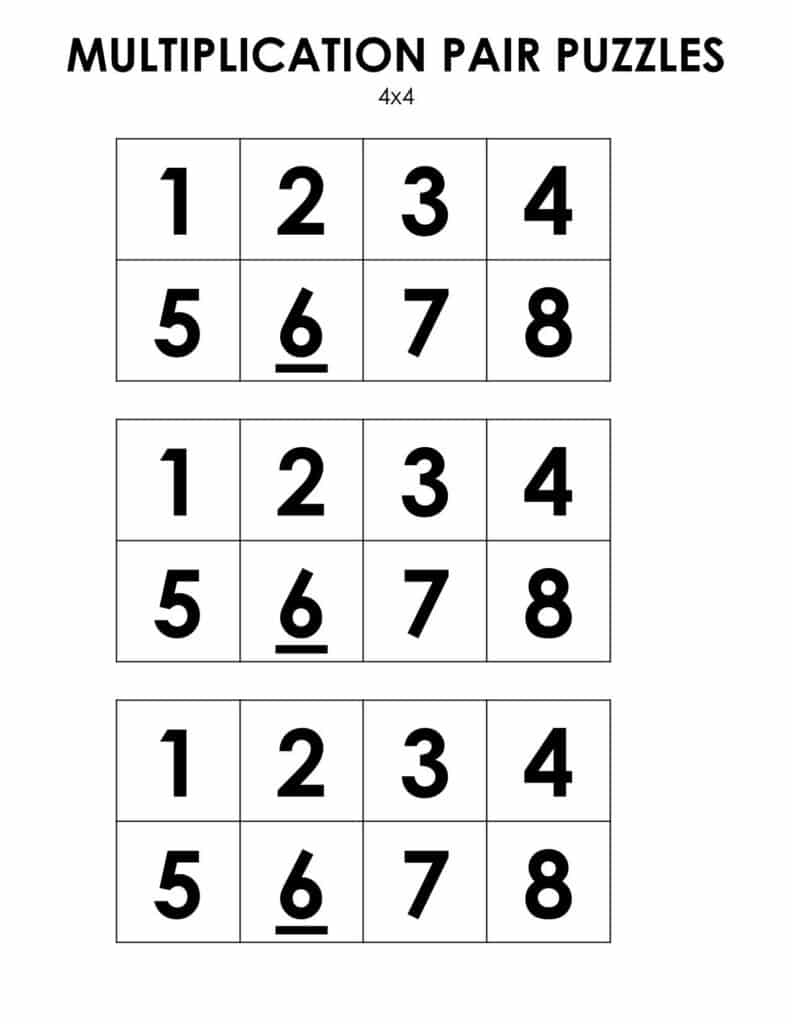
source: Math = Love
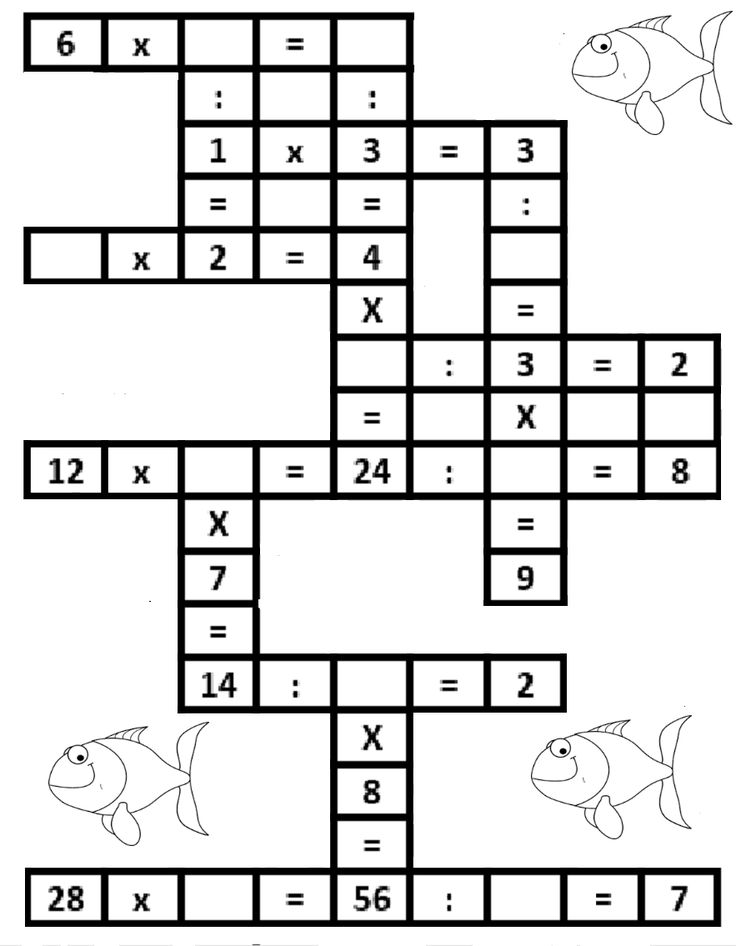
source: Pinterest
What Makes It Age-Appropriate
A strong first-grade puzzle has a low reading load, clear visuals, and a short completion time. Directions should be brief, with icons or examples doing most of the teaching. Avoid dense text, tiny print, or pages that ask for too many steps at once. The puzzle should look inviting and not overwhelming. If a child can solve it with counting pictures, tracing, or matching rather than reading instructions, it is usually a better fit for early learners.
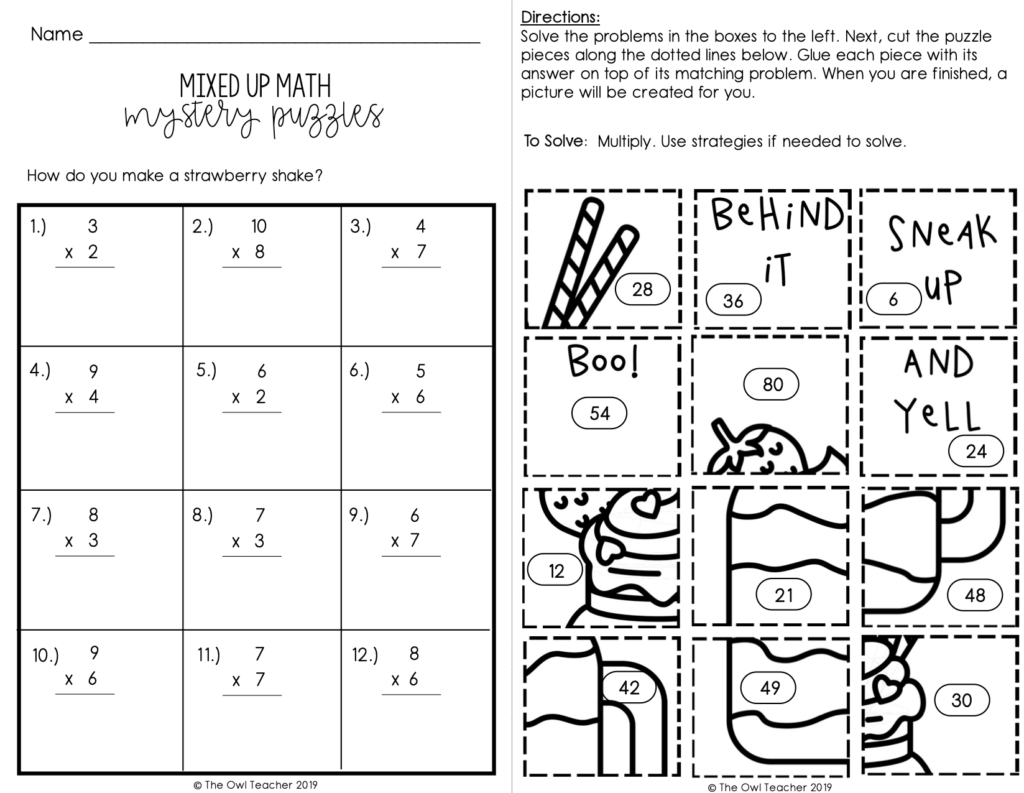
source: The Owl Teacher
The best 1st grade multiplication puzzles give children a simple way to notice equal groups and practice counting in an organized way. They work best when they are brief, visual, and tied to small numbers that feel manageable. If you are choosing one, look for puzzles that use pictures first, numbers second, and words last. That balance helps first graders build a real foundation for multiplication without moving beyond early readiness.