6th Grade Reading Comprehension: Skills And Practice
6th grade reading comprehension builds the habits students need to understand more complex fiction and nonfiction with confidence. At this level, readers should do more than answer simple questions; they should identify the main idea, draw inferences, support answers with evidence, and notice how text is organized. Good practice also includes vocabulary in context and short summaries that show what matters most.
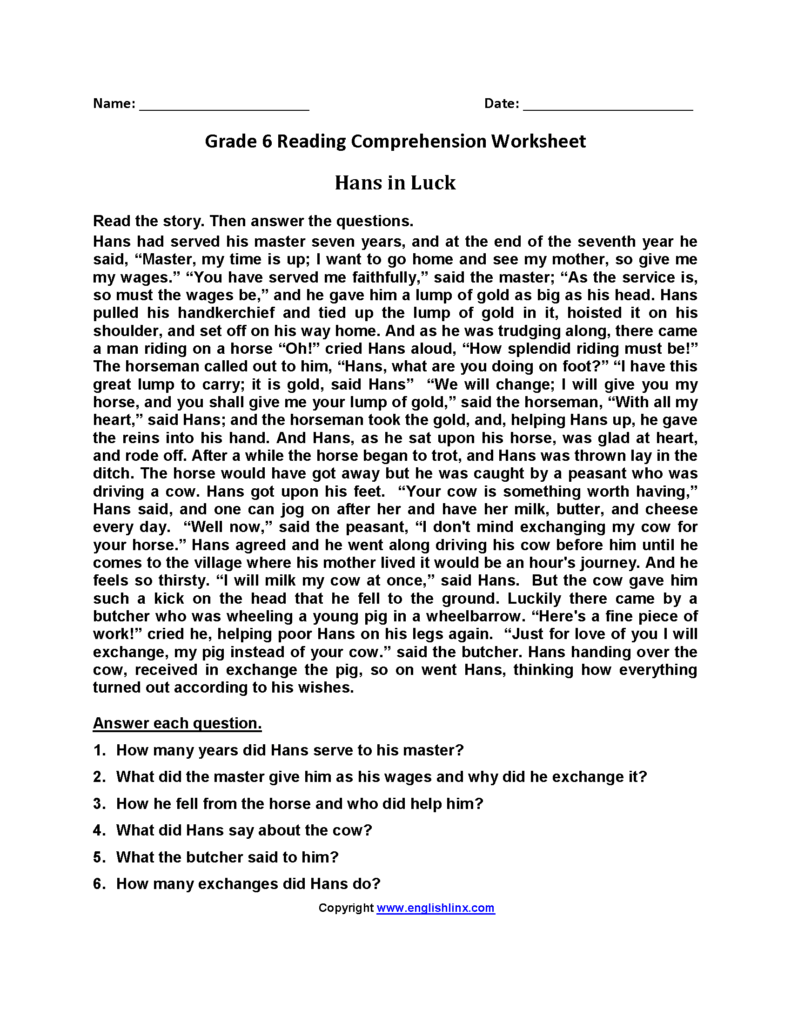
source: English Worksheets
The core skills in 6th grade reading comprehension usually work together. Students should be able to find the main idea of a paragraph or passage, explain what clues lead to an inference, and point to words or sentences that support an answer. They also need to figure out unfamiliar words from context and distinguish important details from extra information. When a child can explain why an answer is correct, not just what the answer is, comprehension is growing in a meaningful way.
Text Types and Difficulty
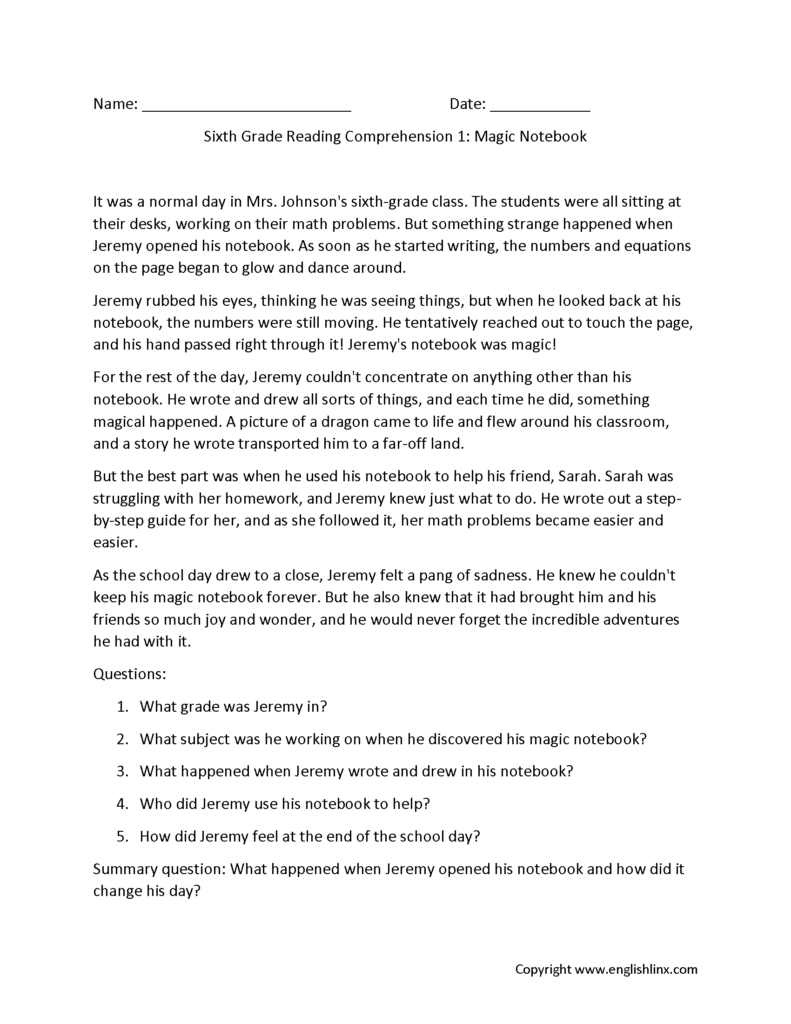
source: English Worksheets
Appropriate practice materials for this grade often include short stories, realistic fiction, fables, biographies, articles, and informational passages about science or social studies topics. Texts should be challenging enough to require rereading and careful thinking, but not so hard that every question depends on decoding. Look for passages with multiple paragraphs, some academic vocabulary, and clear structure such as cause and effect, compare and contrast, or problem and solution. Variety helps students practice reading across different purposes and formats.
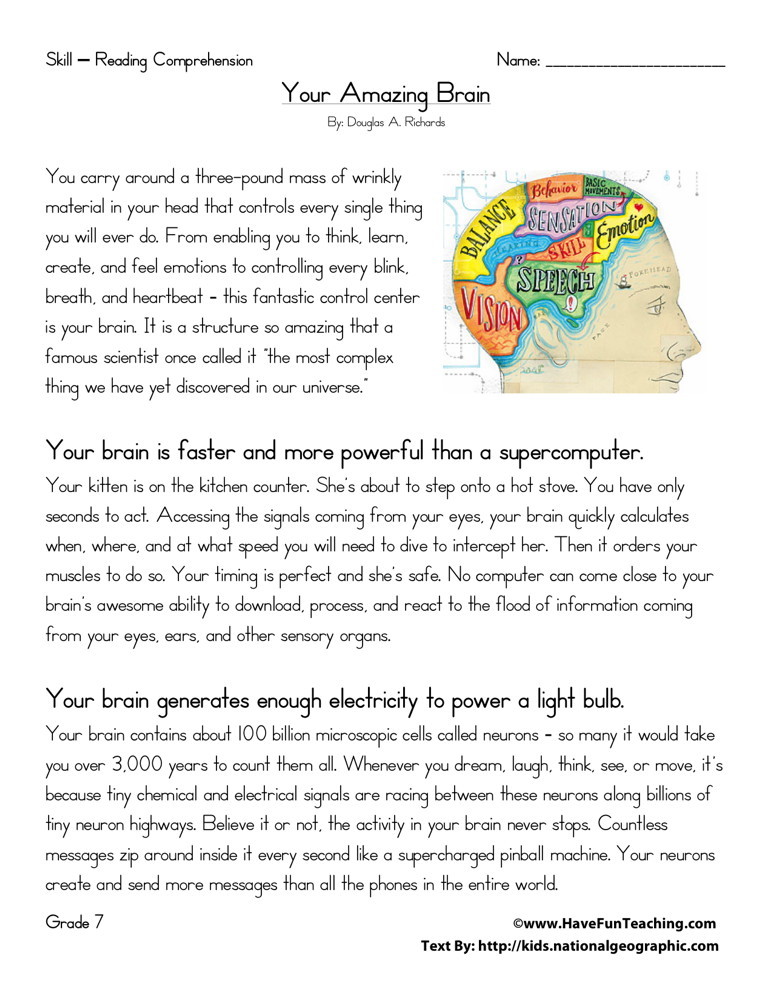
source: Comprehension Worksheets
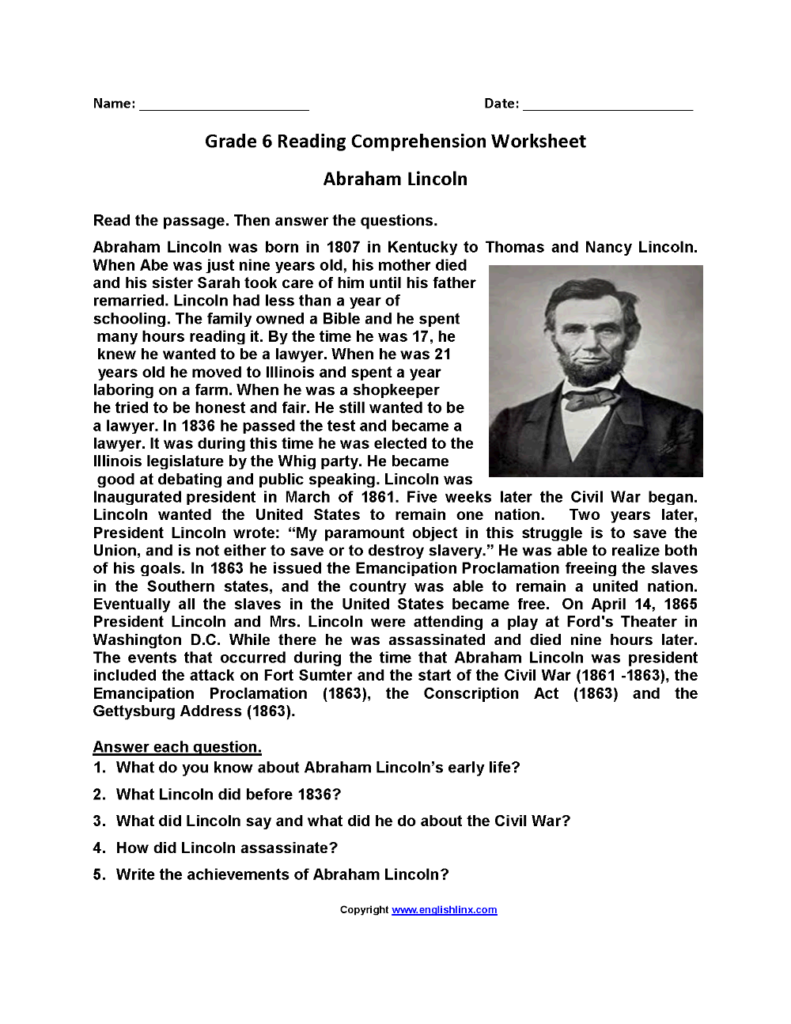
source: Pinterest
Using Practice Well
Practice works best when students answer questions in small steps and then explain their thinking. A helpful routine is to read once for the big idea, read again for details, and then answer questions using specific evidence from the text. After that, ask for a brief summary in the student’s own words. At home or in class, short passages with a few well-chosen questions are often more effective than long drills because they keep attention on understanding, not just finishing quickly.
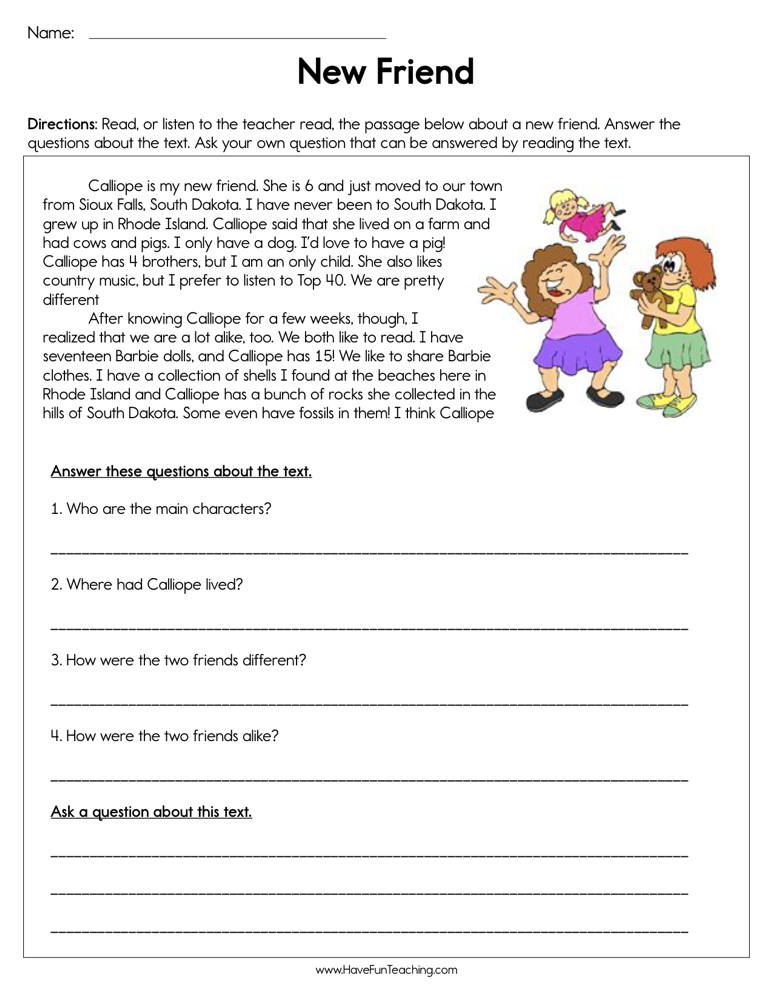
source: Free Educational Worksheets for All Ages
To support growth, choose passages that are slightly challenging and revisit the same skills often in different texts. Mix literal questions with inference and text-structure questions so students learn to think flexibly. If a student struggles, model how to underline key sentences, circle clue words, and restate the question before answering. With steady practice, 6th grade reading comprehension becomes less about guessing and more about using clear reading strategies to understand what the author is saying.