4th Grade Division Mazes For Classroom Practice
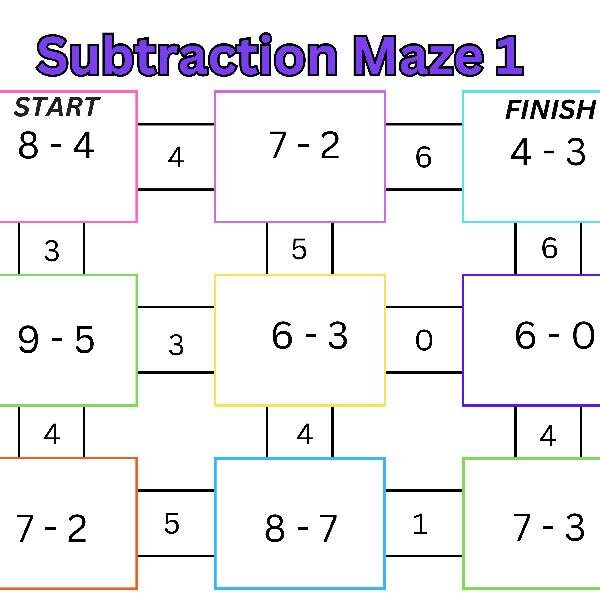
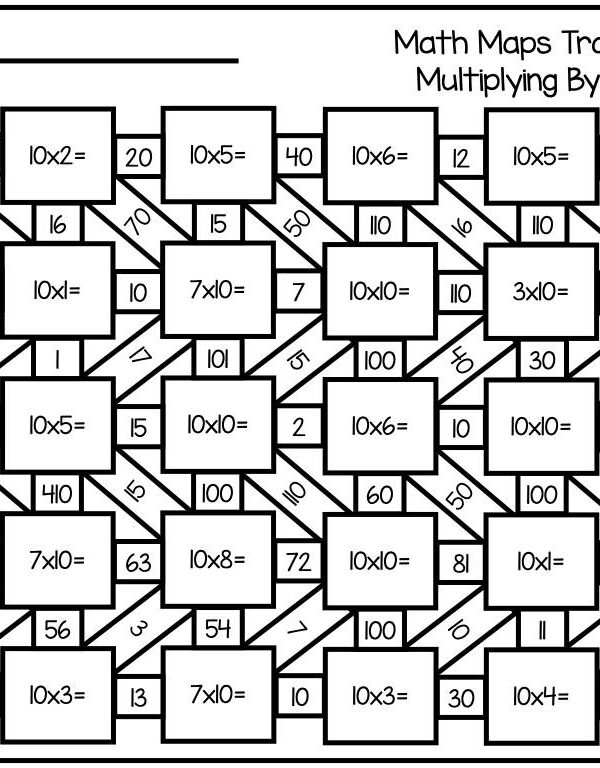
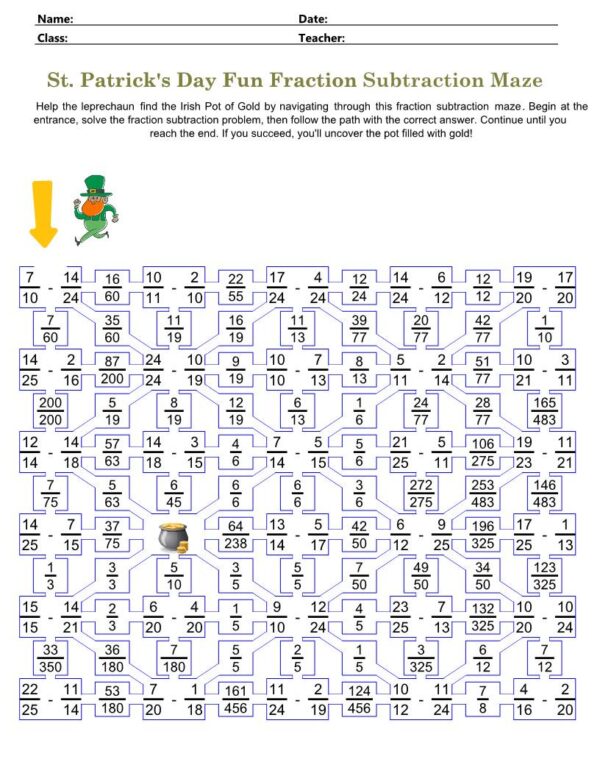
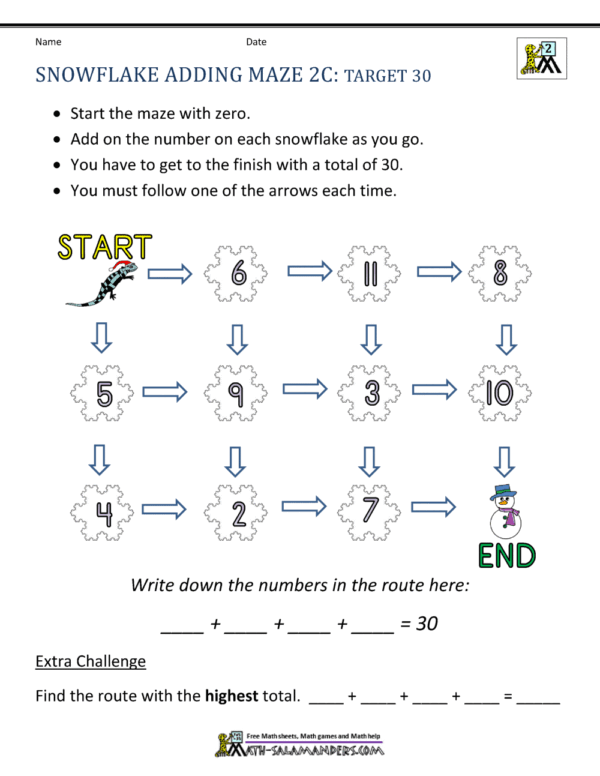
4th grade division mazes are a simple way to turn division practice into a path-finding activity. Students solve a problem, find the matching answer, and follow that route to the next box or space. The format keeps practice focused on division facts and basic computation without feeling like a worksheet drill. It works well for quick review, partner work, or independent centers when you want a low-prep activity with clear math practice.
What the Maze Does
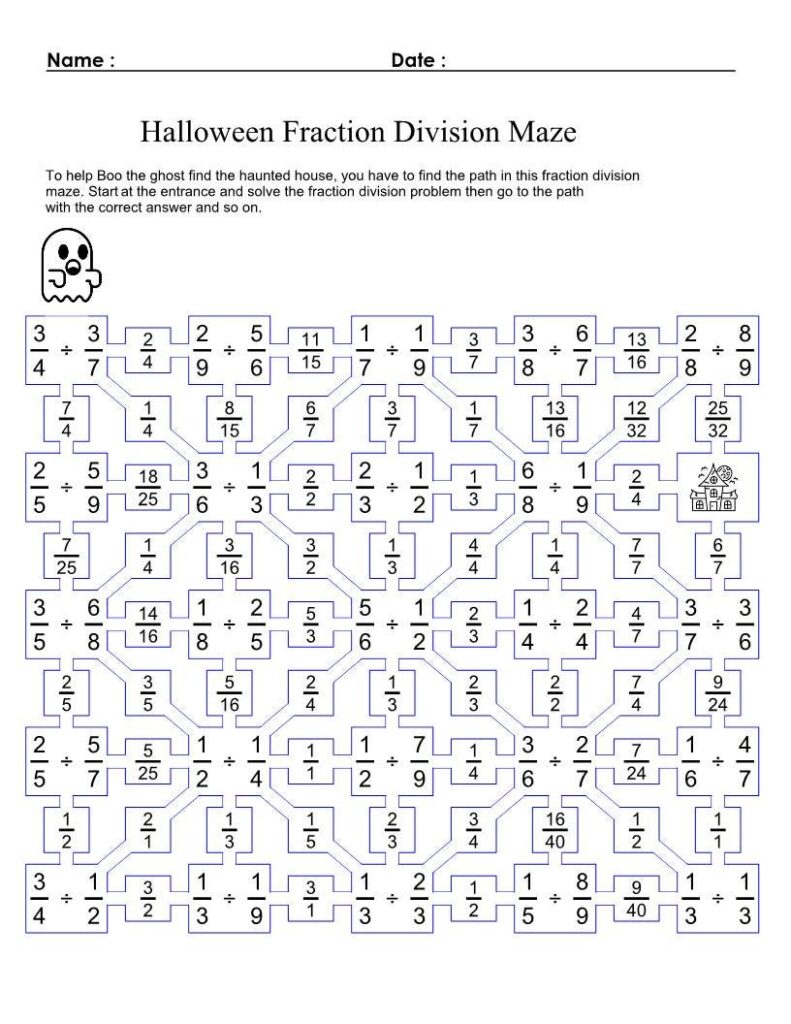
source: Etsy
A division maze for fourth grade should stay with age-appropriate skills: basic division facts, simple quotients, and straightforward problems with whole-number answers. Many activities use facts within the multiplication table, such as 24 ÷ 6 or 36 ÷ 9, so students can practice recalling relationships quickly. Some mazes also include one-step, wordless division problems that only require computation. The best versions avoid long multi-step tasks or tricky number patterns that distract from the main skill. The goal is repeated, accurate practice, not problem-solving overload.
Choosing the Right Maze
When selecting 4th grade division mazes, read the directions and problem set before assigning them. The text should be easy for students to follow independently, with enough spacing to avoid confusion. Check that the difficulty matches your class: some mazes are best for fact fluency, while others fit review after direct instruction on division strategies. Answer-checking clarity matters too. Students should be able to tell exactly which answer to use next, and the correct path should not depend on guesswork or tiny print. Clear layouts reduce frustration and keep the math front and center.
The maze format supports independent practice because students get immediate feedback from the path they choose. If an answer does not lead to a valid next step, they know to reassess before moving on. That makes mazes useful for centers, early finisher work, homework review, or short class warm-ups. For better results, pair the maze with a quick model of how to check one problem, then let students work through the rest on their own or with a partner.
Used this way, division mazes give fourth graders repetition, confidence, and a reason to stay engaged with the facts.