2nd Grade Multiplication Activities With Easy Practice
Second graders learn multiplication best when it starts with familiar ideas like counting groups, making equal sets, and noticing patterns. The most useful 2nd grade multiplication activities are hands-on, visual, and short enough to keep attention high. Think counters, drawings, quick games, and simple worksheets that help children see multiplication as repeated addition before moving on to anything more abstract.
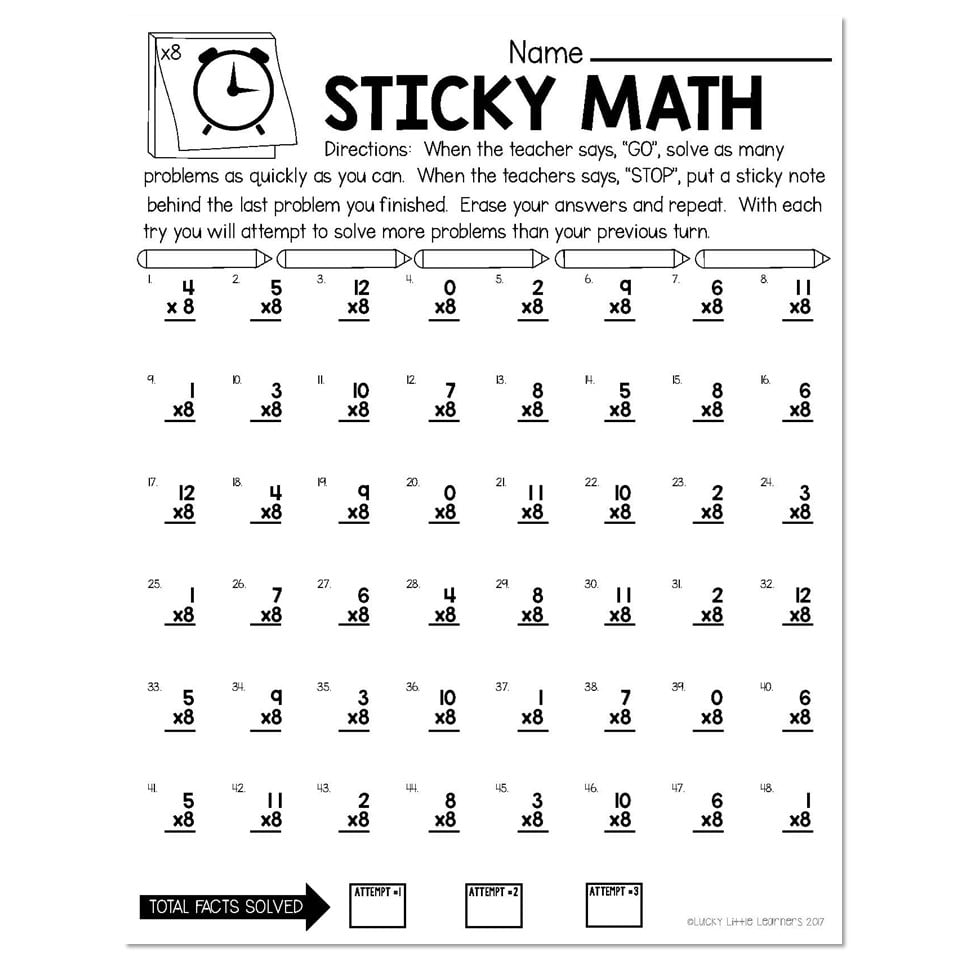
source: Shop – Lucky Little Learners
Hands-On Grouping Ideas
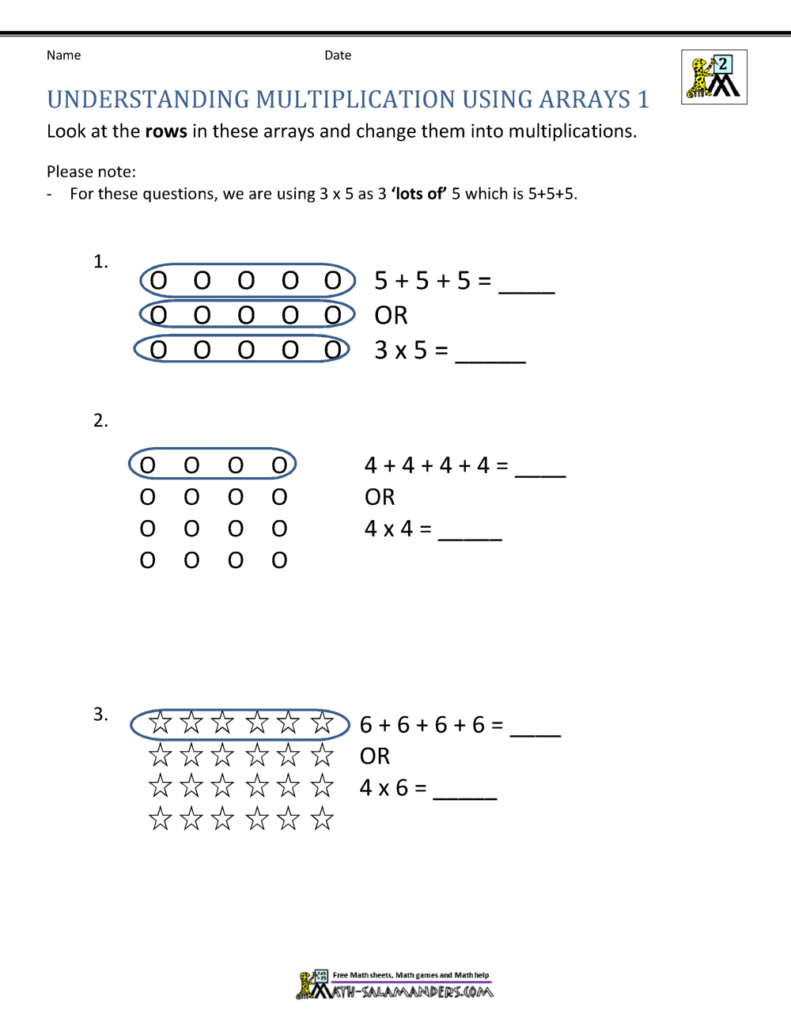
A strong place to start is with equal groups using everyday manipulatives. Buttons, cubes, coins, or even dry beans can be sorted into small sets so children can count how many are in each group and how many groups there are. For example, 3 groups of 4 counters lets students see 4 + 4 + 4 and connect it to 3 x 4 in a concrete way. Ask children to build, count, and then draw the groups.
This keeps the activity simple while reinforcing the idea that multiplication means the same number added again and again. It also helps students who are not ready for memorizing facts but can already count confidently.
source: Math Salamanders
source: Math Monks
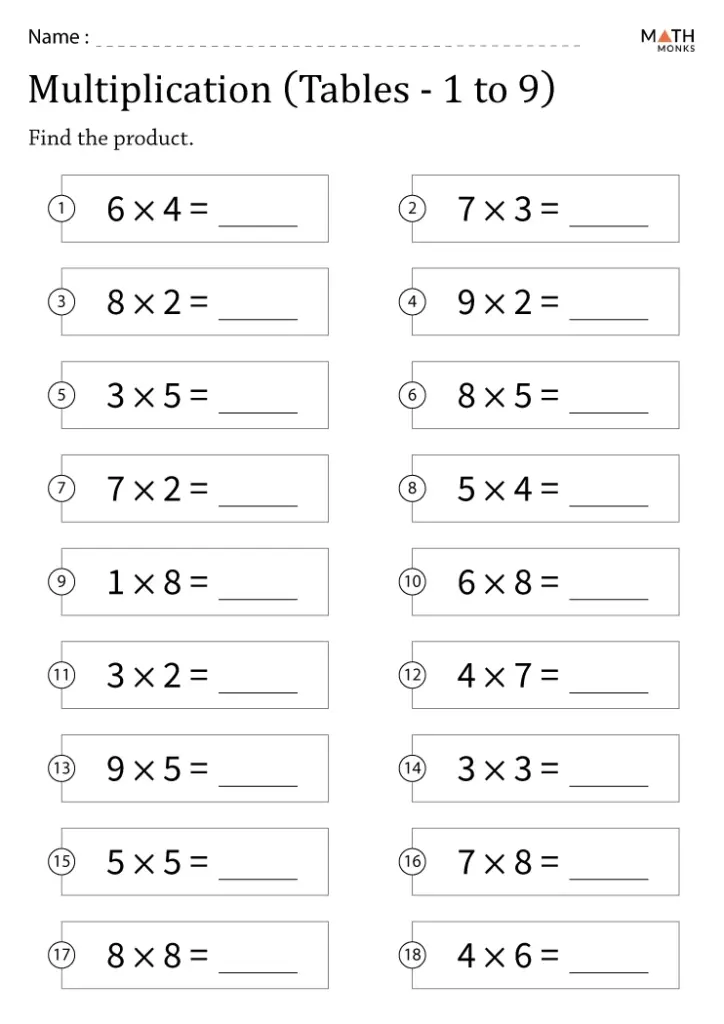
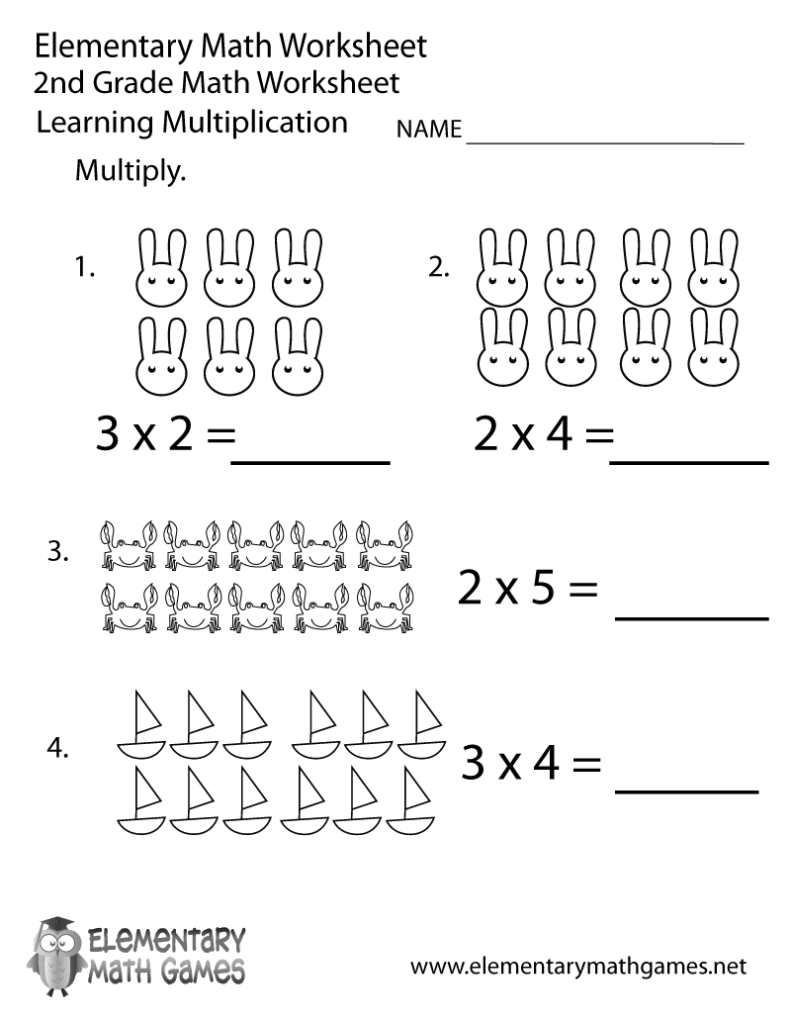
Games and quick practice can make multiplication feel playful instead of intimidating. Matching games, roll-and-build activities, and simple skip-counting chants work well for short practice bursts. A child might roll a die, make that many equal groups, and say the total aloud, or match picture cards with the correct repeated-addition sentence. Worksheets can fit here too, as long as they stay visual and low-pressure, with circles, arrays, or pictures to complete rather than dense pages of equations.
Keep directions short, use large print, and limit the number of problems so students can focus on understanding rather than speed. Second graders usually do best when the task feels like solving a puzzle, not taking a test.
Readiness and Engagement
source: Elementary Math Games and Worksheets
When choosing 2nd grade multiplication activities, look for signs that the child can count by 2s, 5s, or 10s, recognize equal groups, and explain what the groups show. If those skills are still developing, stay with pictures and objects longer. To keep engagement high, rotate materials and let students move, sort, color, or build. Try using snack items for grouping, stickers for arrays, or a quick scavenger hunt for sets around the room or home.
The best practice is brief, concrete, and connected to a clear visual model. If an activity is too abstract, simplify it; if it feels easy, add one more group. That balance helps children build early multiplication confidence without losing interest.