1st Grade Double Digit Addition Riddles For Kids
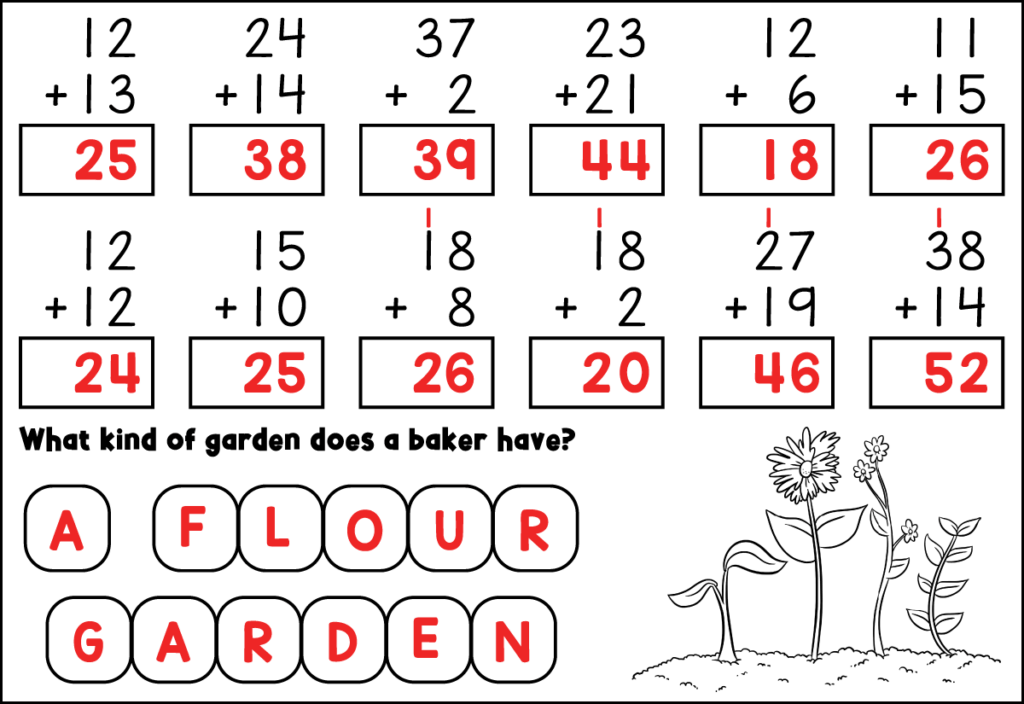
1st grade double digit addition riddles turn simple math practice into a fun solve-and-reveal activity. Children add two-digit numbers, then use the answer to uncover a clue, word, or final riddle answer. The best versions stay friendly for first graders by keeping the numbers small, the directions clear, and the language easy to follow.
How the riddles work
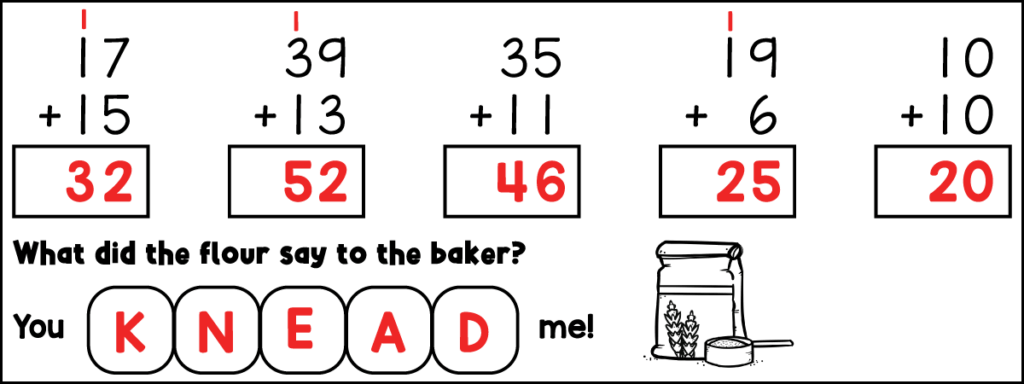
source: Tree Valley Academy
source: Tree Valley Academy
These riddles are designed to practice adding two-digit numbers at a first-grade level, usually with sums that stay manageable and familiar. A child reads a short clue, solves the addition problem, and uses the result to move forward. For example, the riddle might say, “I have 12 apples and get 10 more. What number am I?” The answer can unlock a letter, picture, or final joke answer. The math stays central, but the format feels like a puzzle instead of a worksheet.
Kid-friendly features
Good 1st grade double digit addition riddles use simple sentences, clear directions, and numbers that do not overwhelm young learners. They work best when each clue asks for one step at a time, with no extra reading burden. Teachers and families can look for riddles that avoid tricky wording and keep the focus on basic add-to totals. It also helps when the riddle gives a strong context, such as toys, animals, or snacks, because that makes the problem easier to picture and solve.
A few simple templates fit this topic well: “I have 14 crayons and find 11 more. What number do I have now?” or “A basket holds 23 apples, and 10 are added. What is the total?” Another option is a clue trail: each correct sum reveals the next riddle word or picture. These formats keep the activity engaging while still practicing first-grade addition. For the best results, keep the range small and the payoff clear so children can solve confidently and enjoy the reveal.